 WhatsApp/Tel: +86 15179359758
 Email:liwenfan211@gmail.com












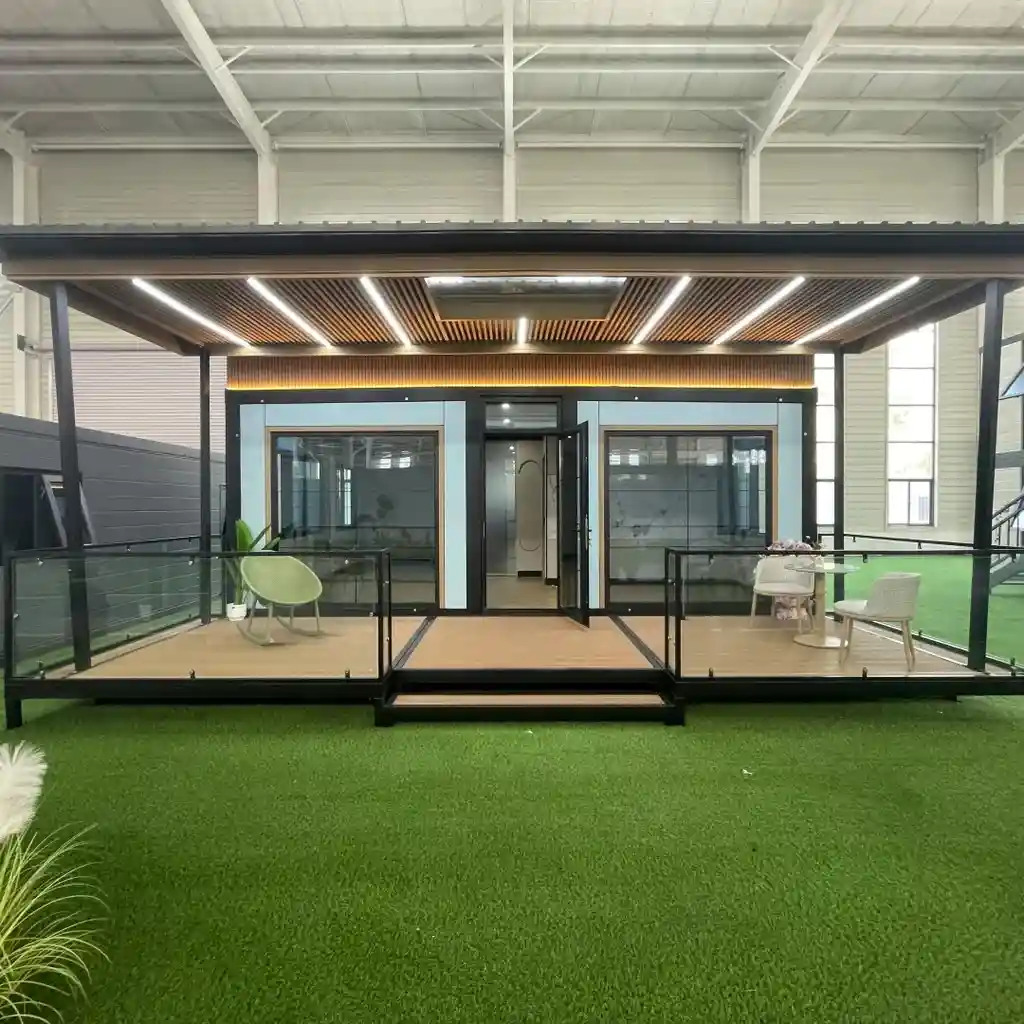
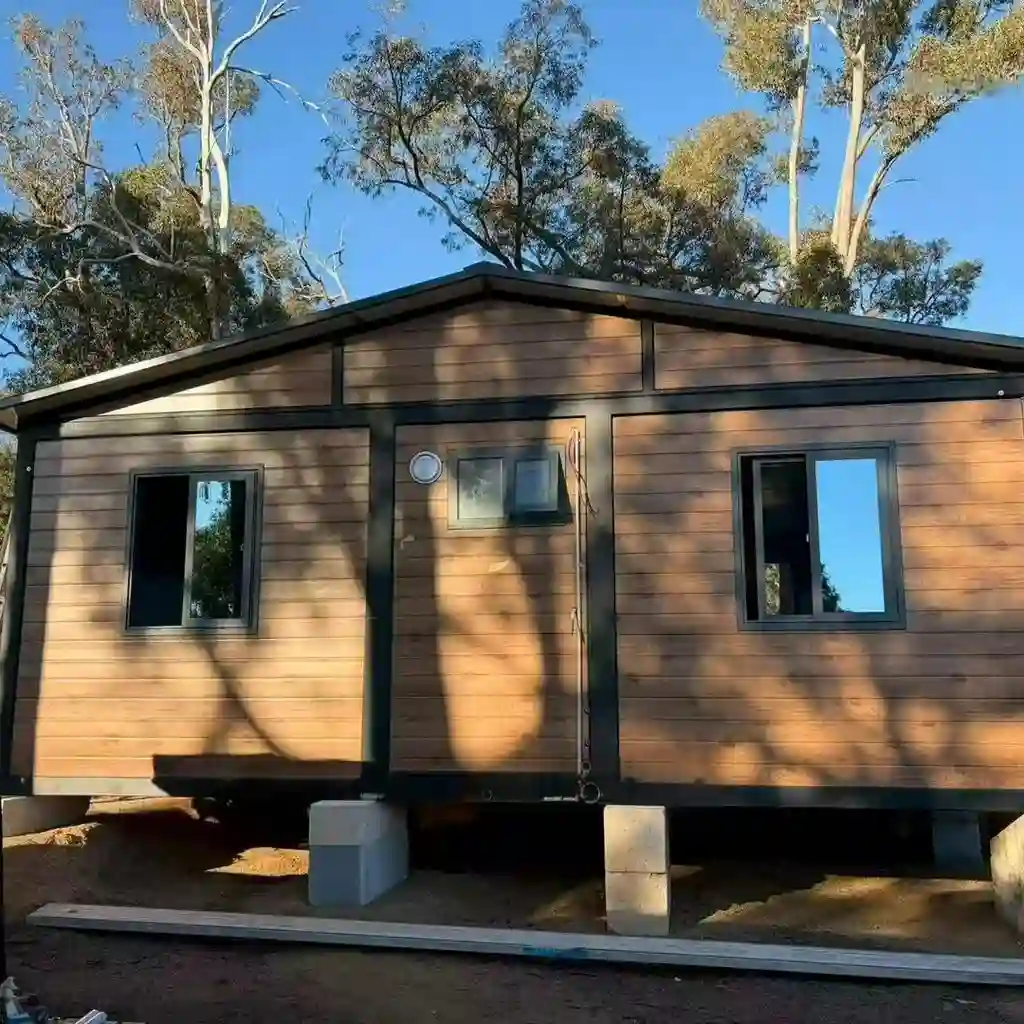
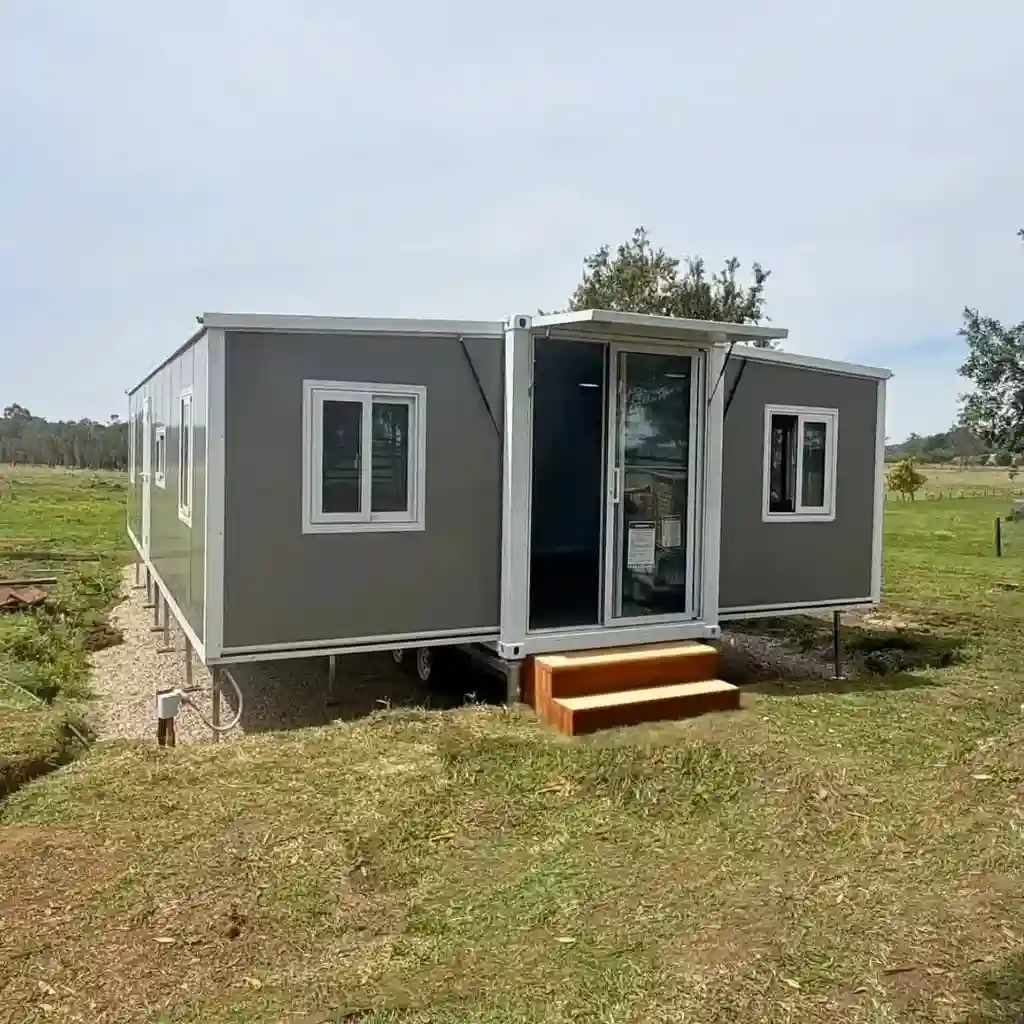
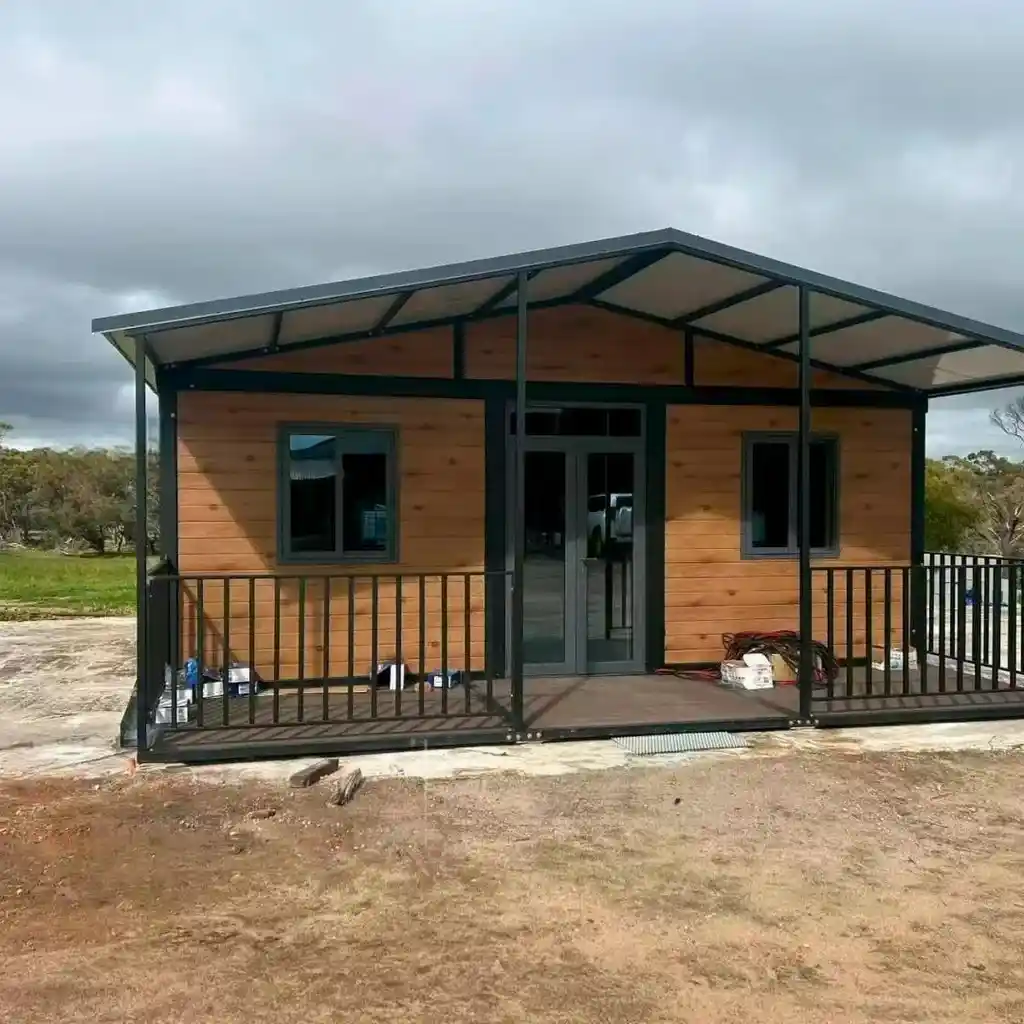
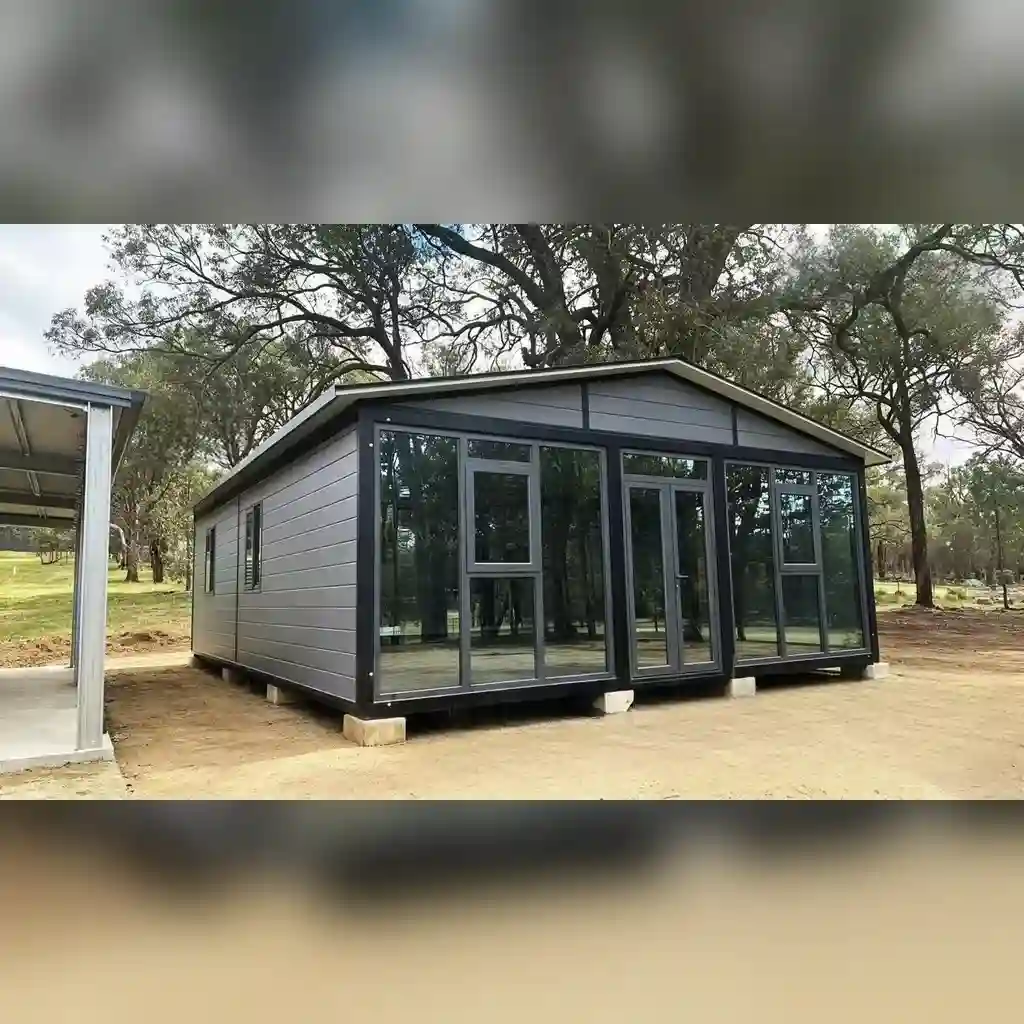
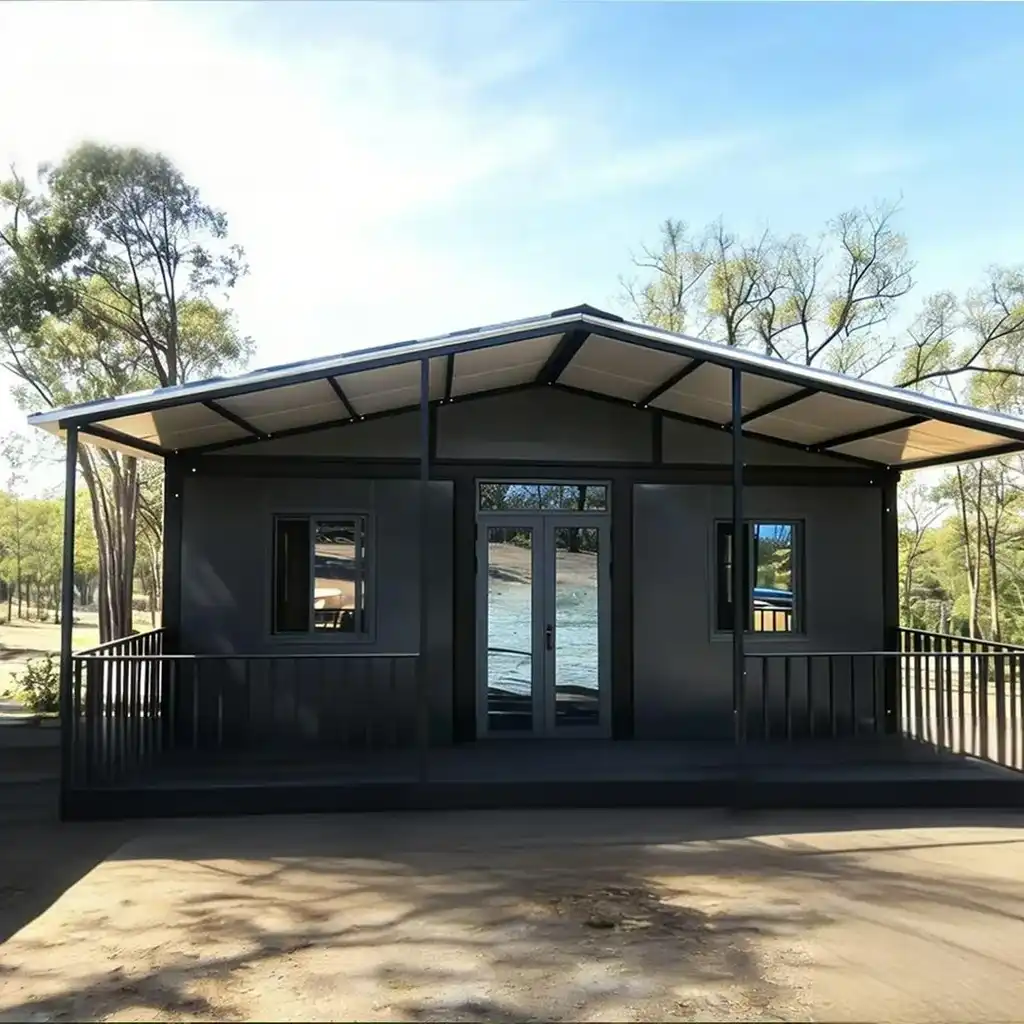
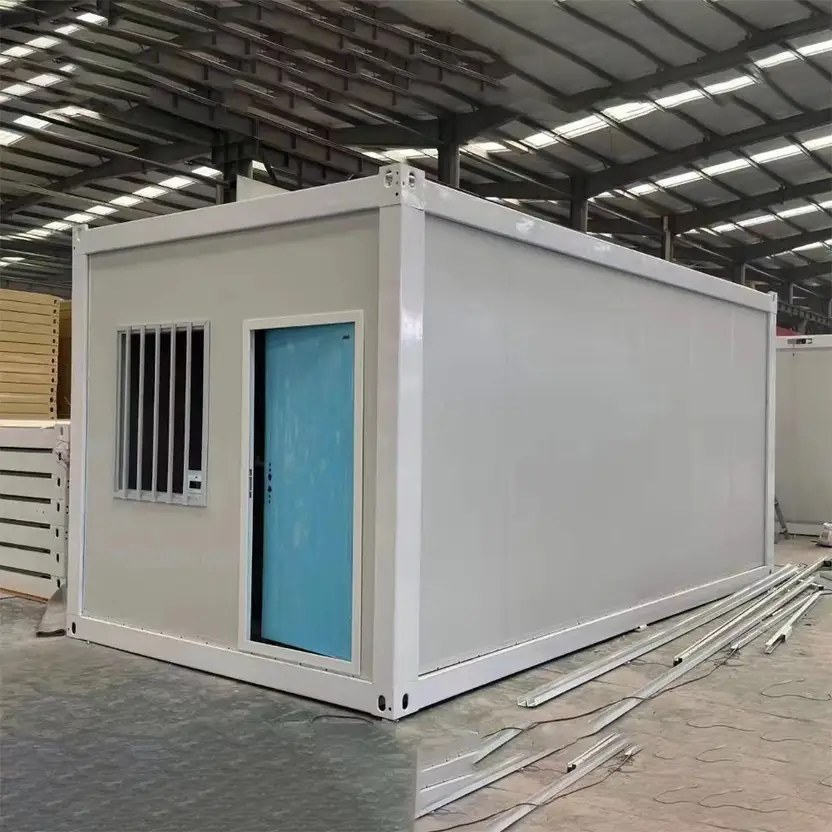
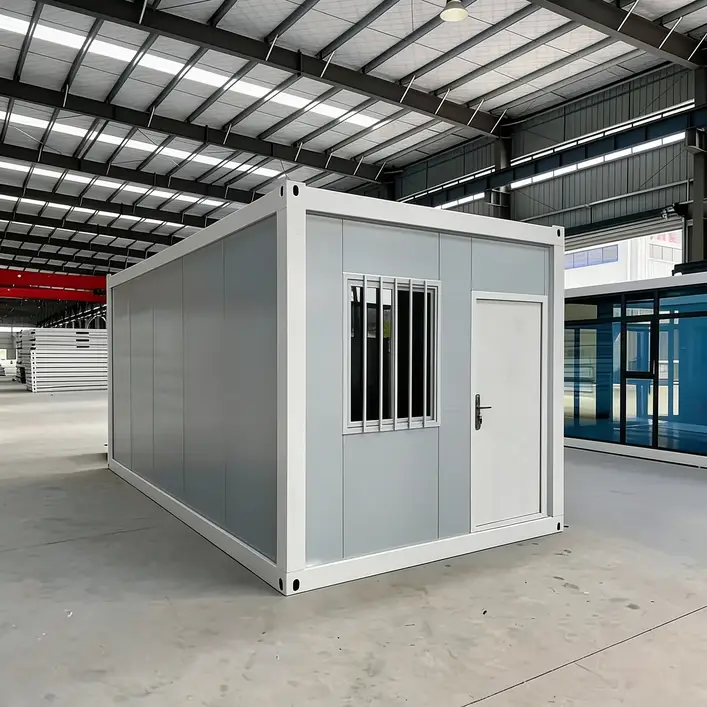
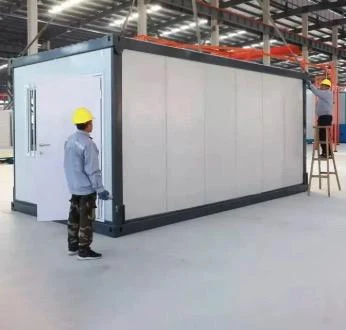
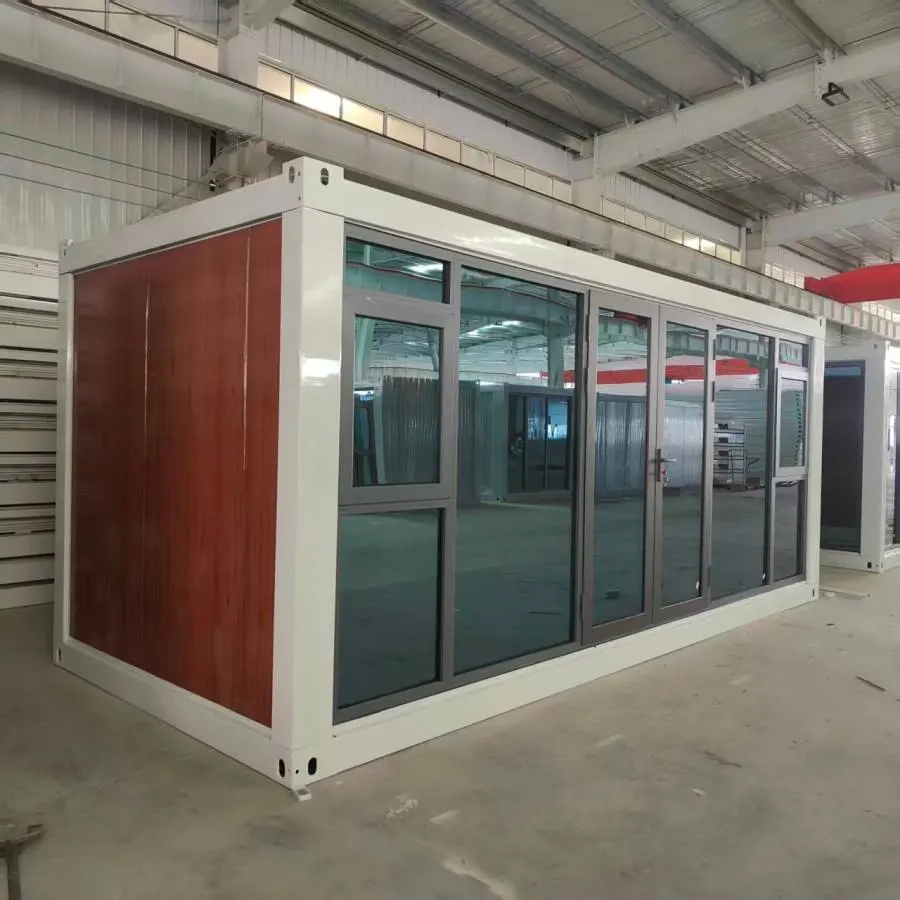
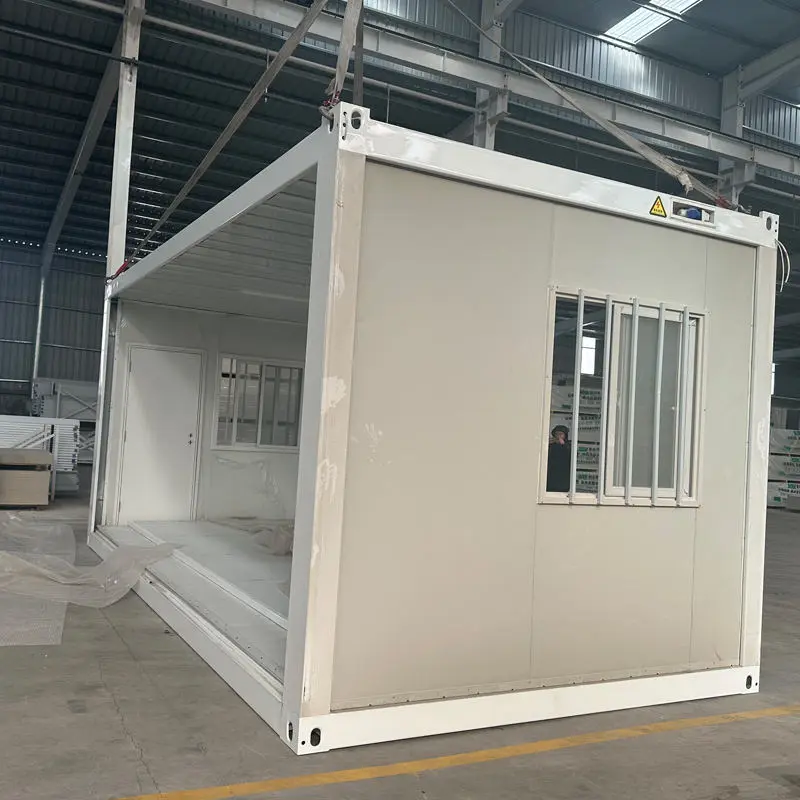
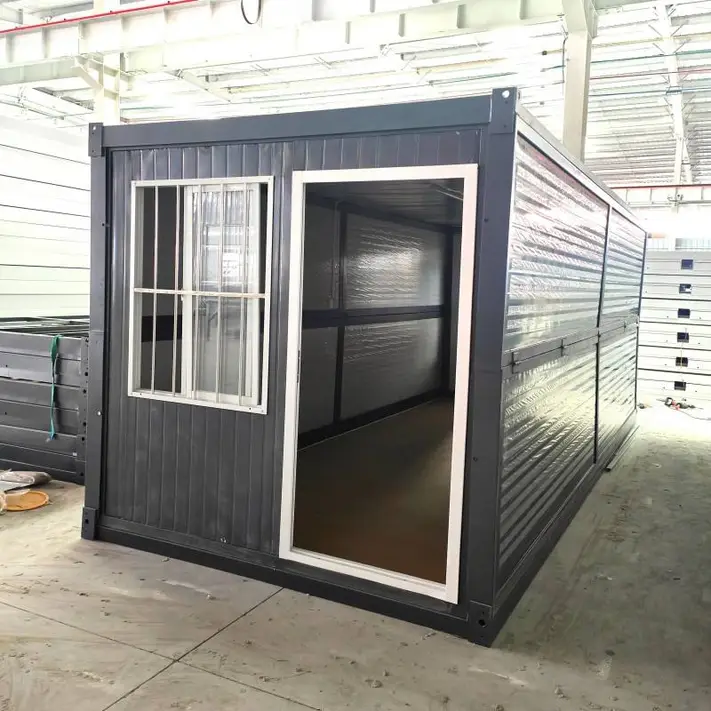
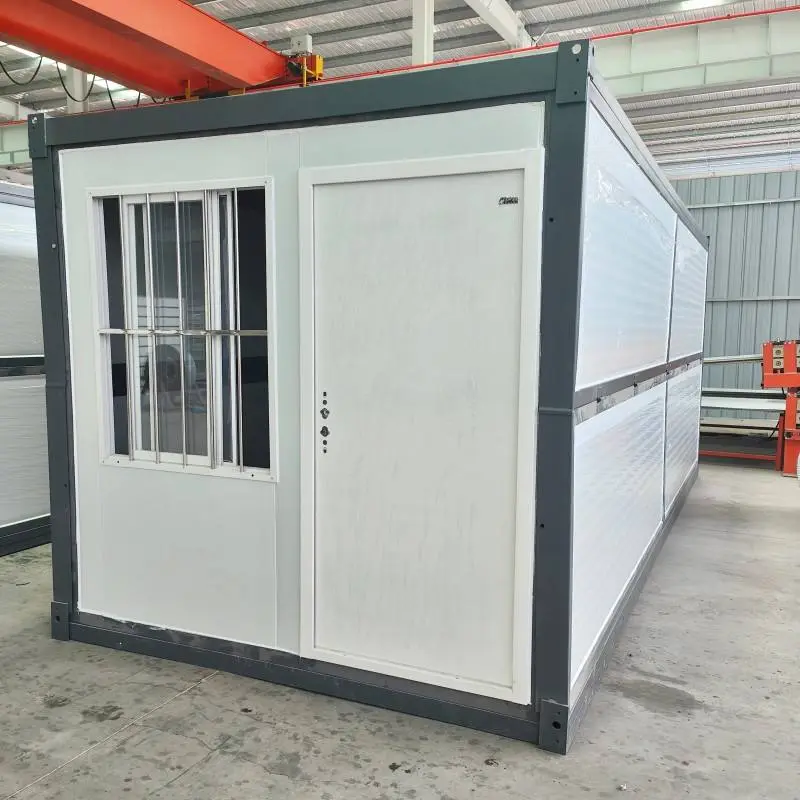
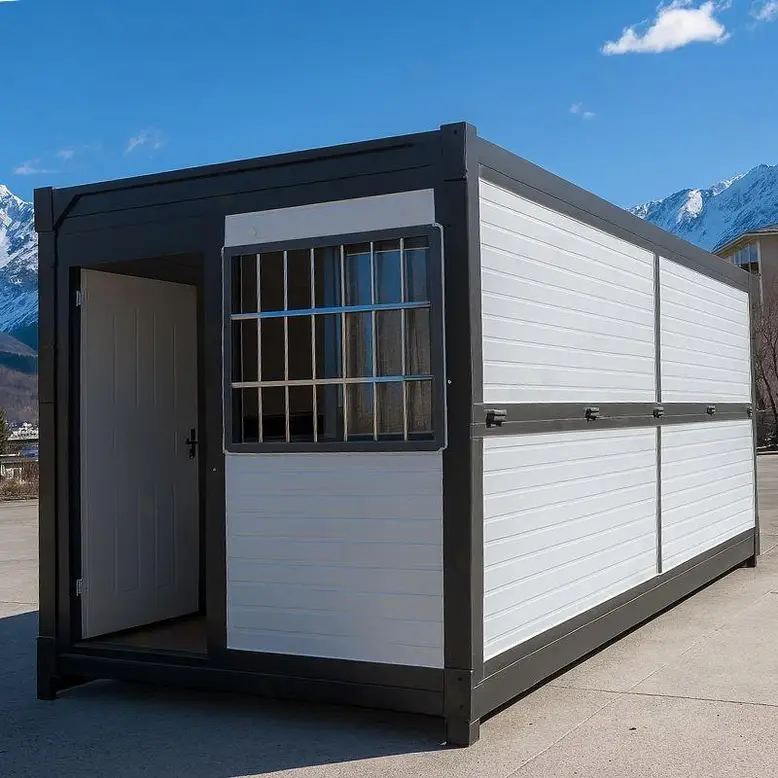
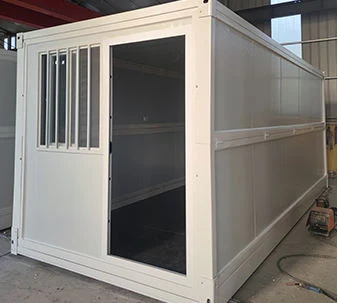
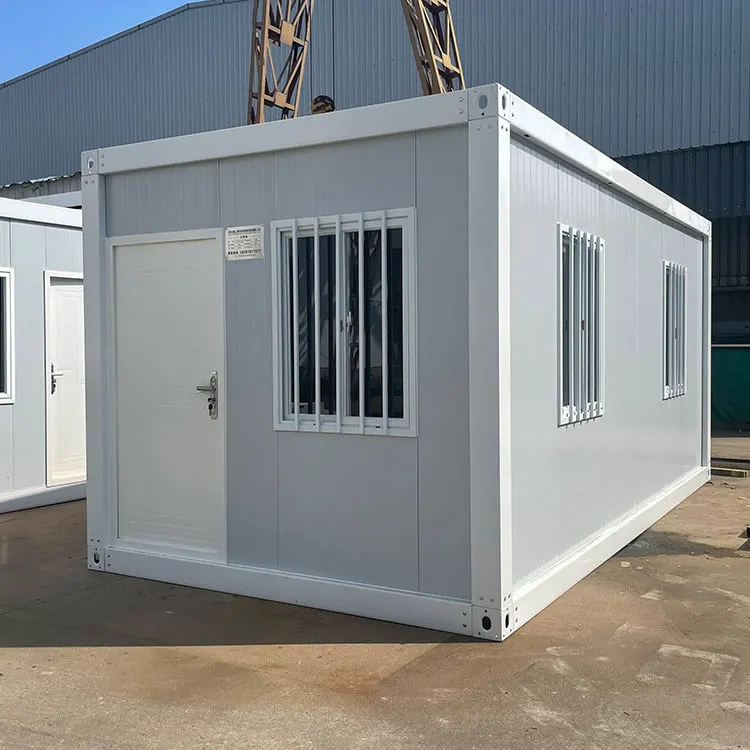
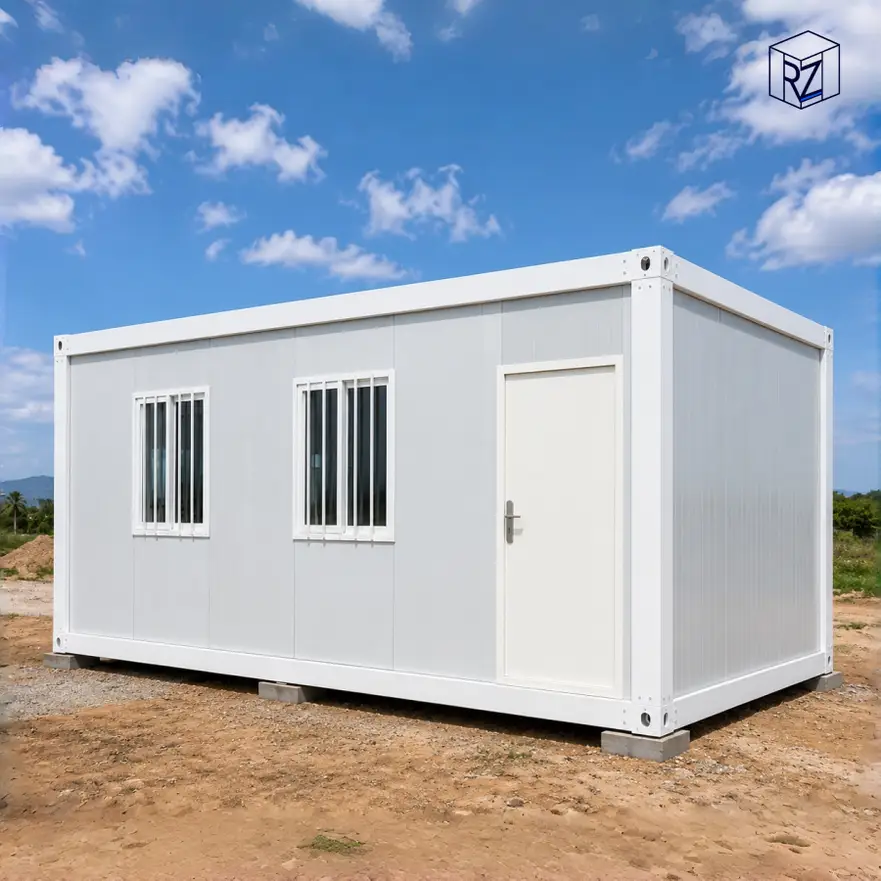
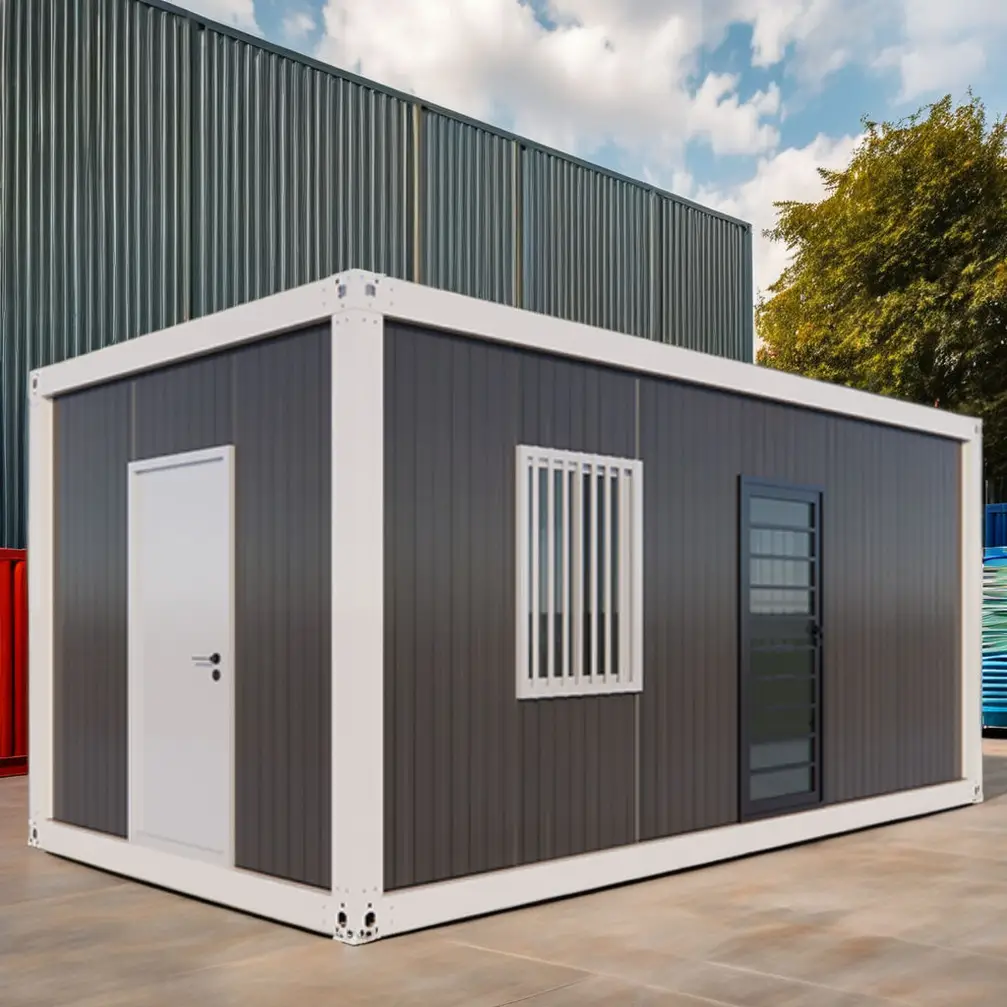
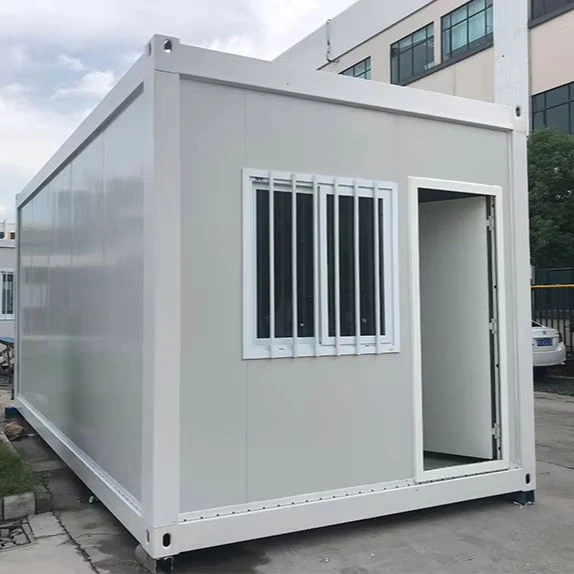
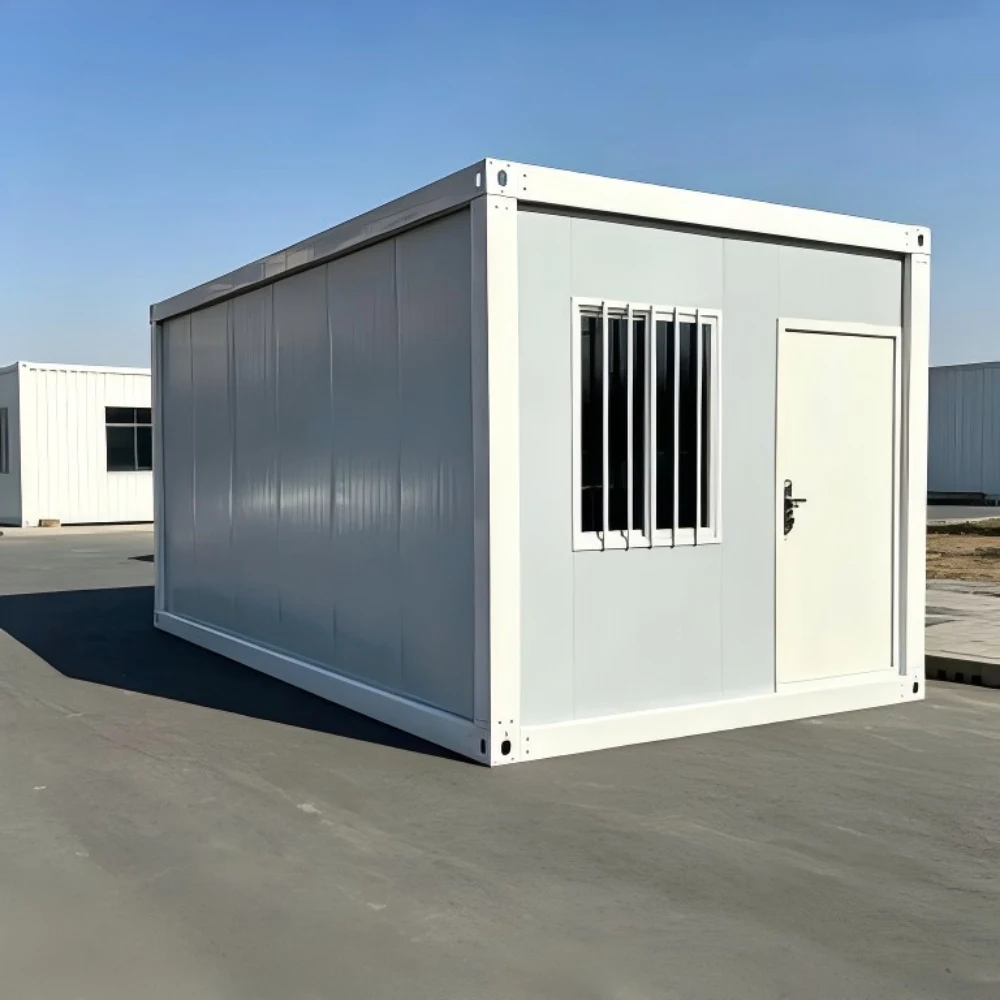
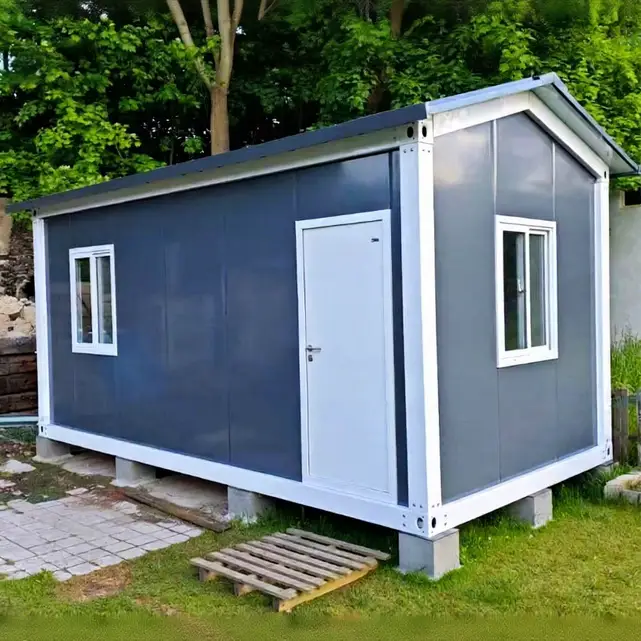
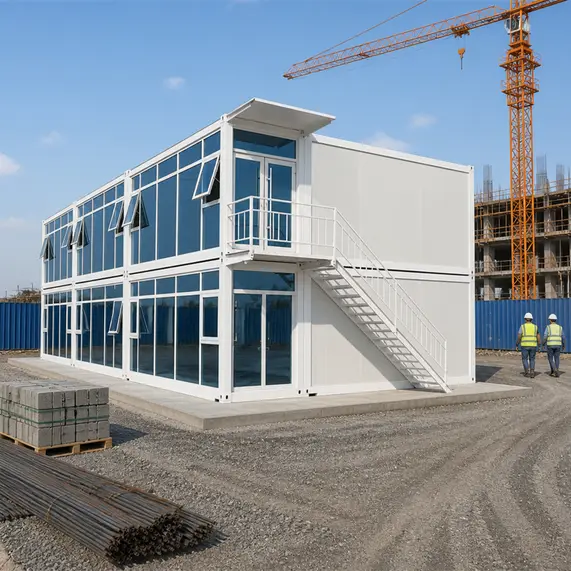
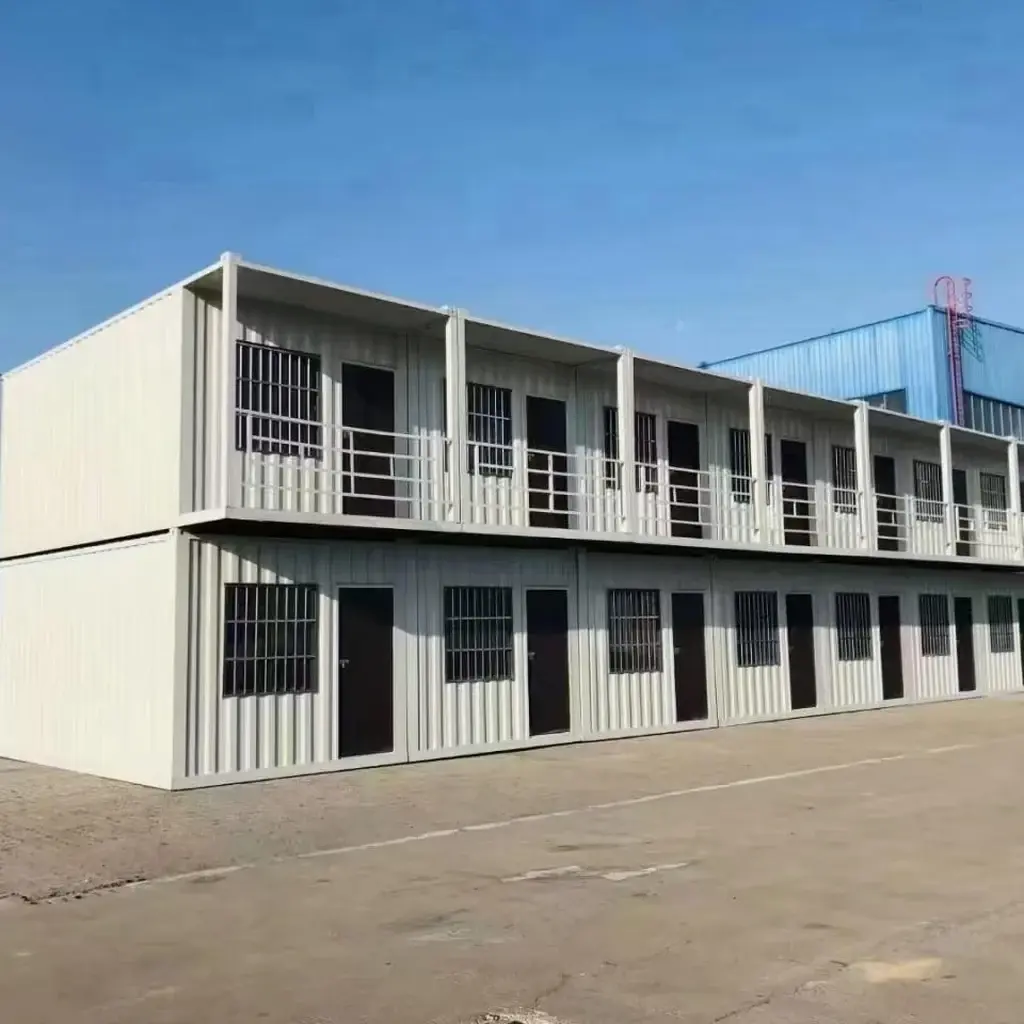
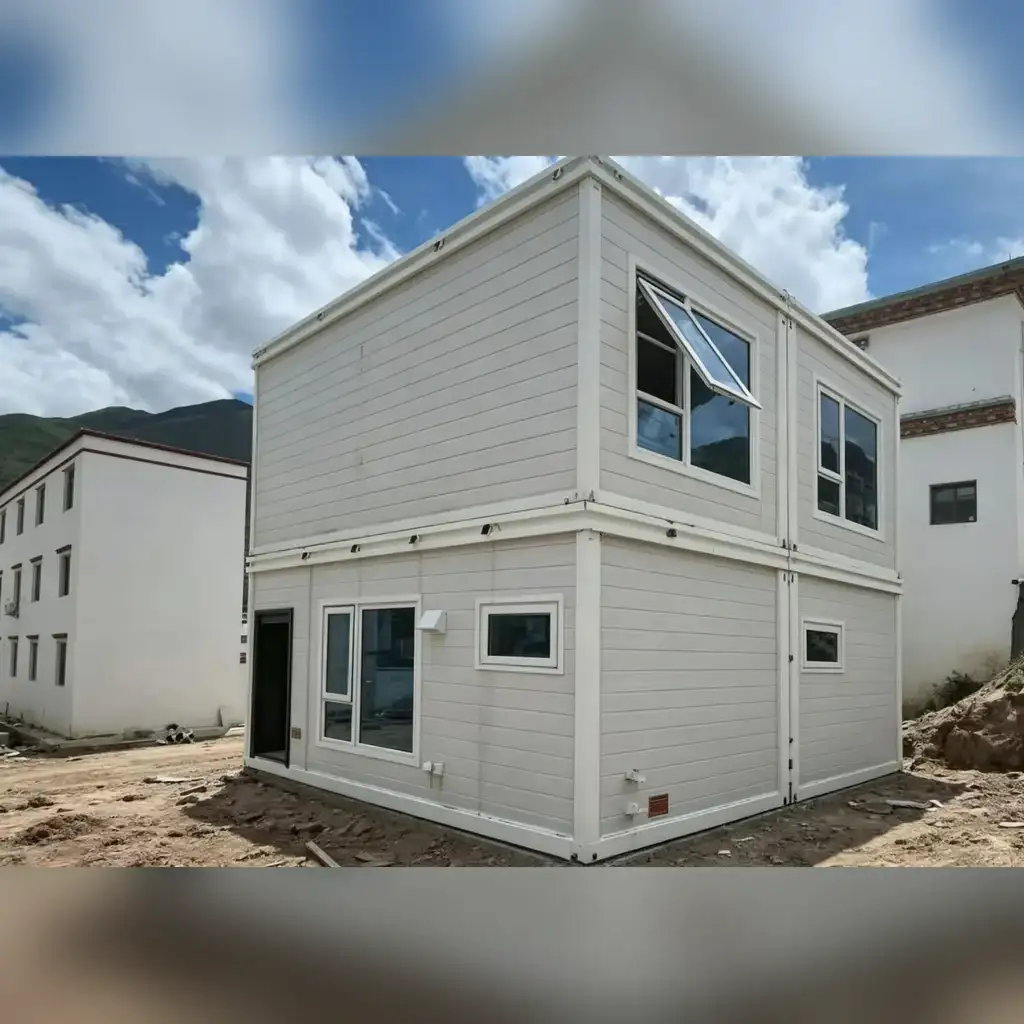
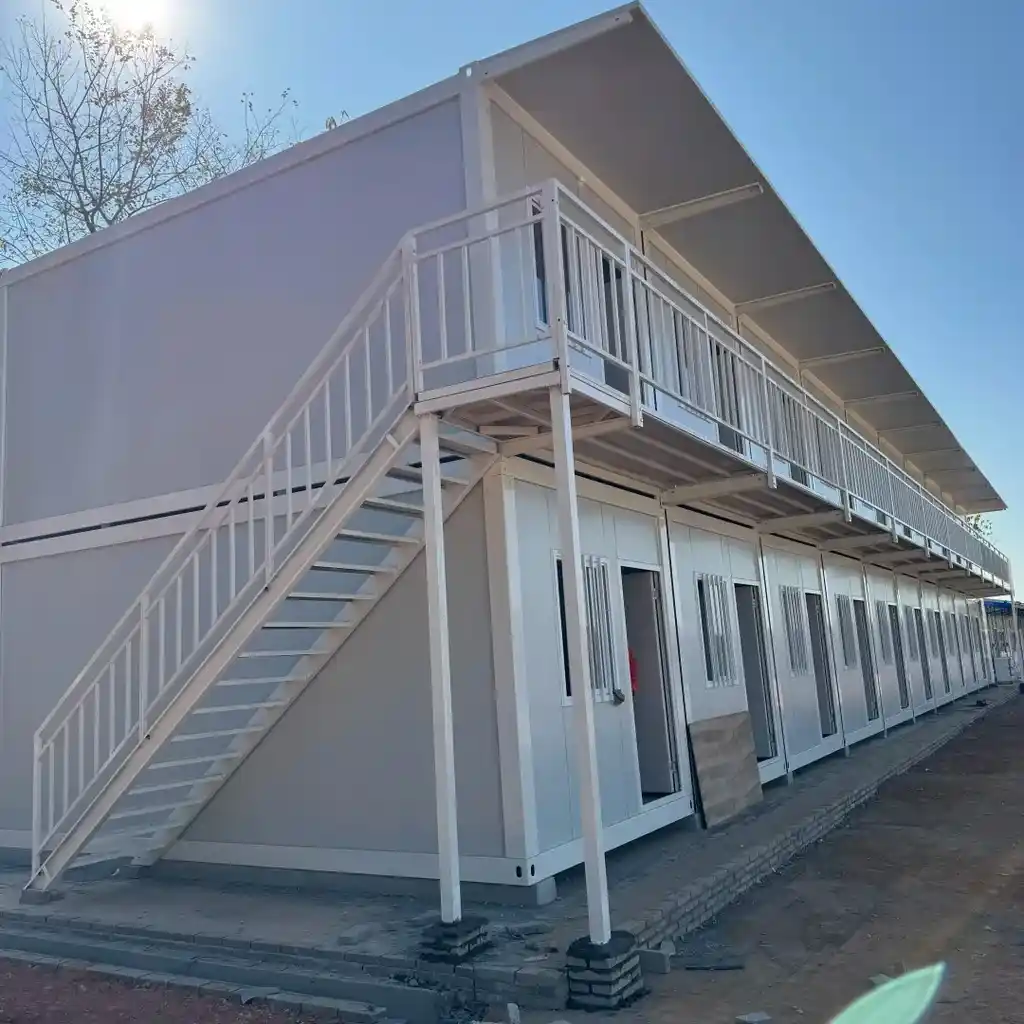
Traditional Flat-Pack vs. X-Type Folding Container House: Which One Should You Choose?
Release time: 2026-11-02
The global construction industry is undergoing a massive transformation, shifting away from traditional brick-and-mortar builds toward more efficient, sustainable, and rapid deployment solutions. At the forefront of this revolution is prefabricated architecture. For decades, developers, site managers, and eco-conscious homeowners have relied on modular construction to save time and reduce costs.
However, within the modular industry itself, a rapid evolution is taking place. The traditional flat-pack units, long considered the industry standard, are now facing fierce competition from advanced folding technologies. As project timelines become tighter and labor costs soar, the spotlight is firmly shifting toward the highly efficient X-Type design.
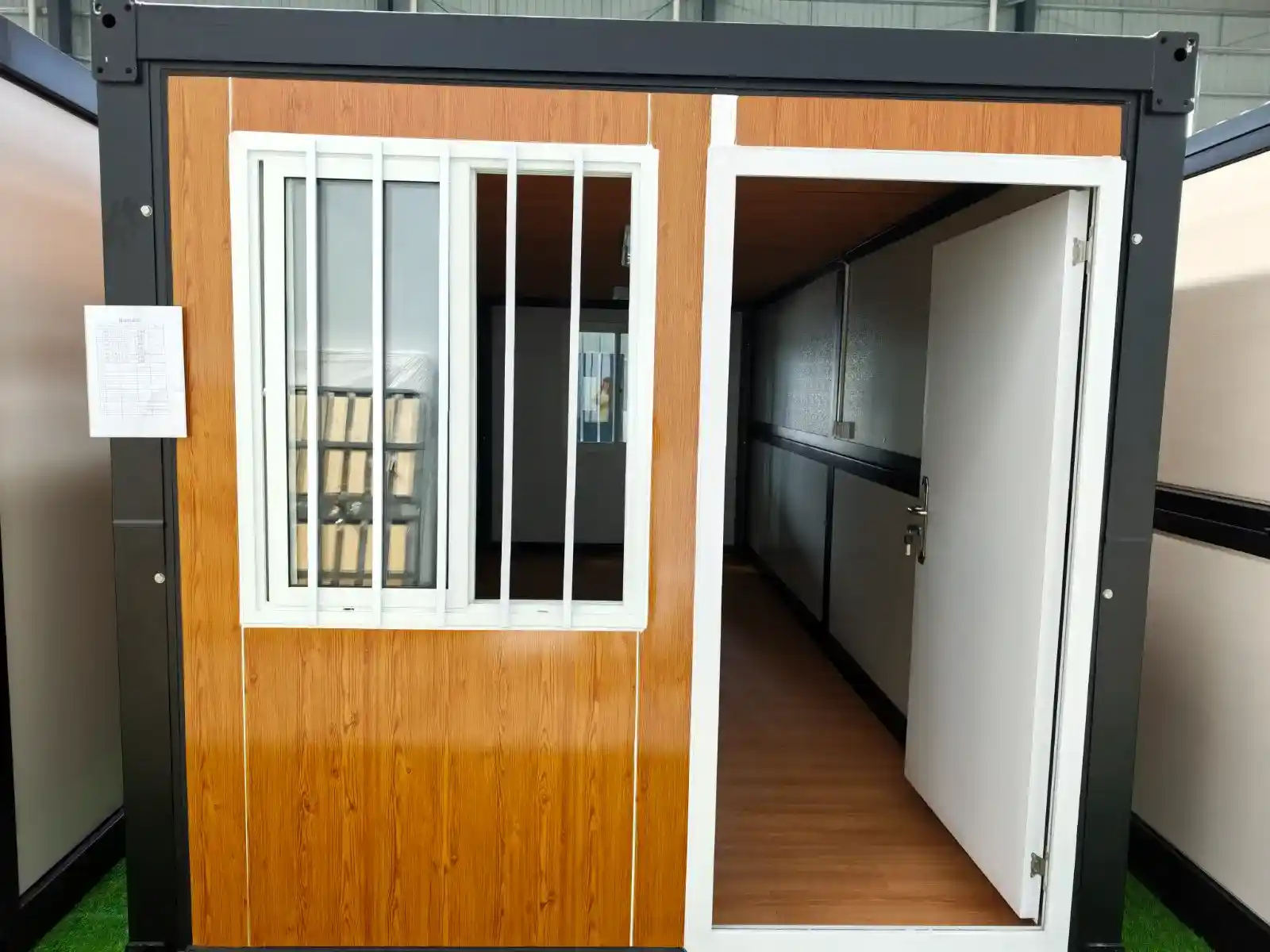
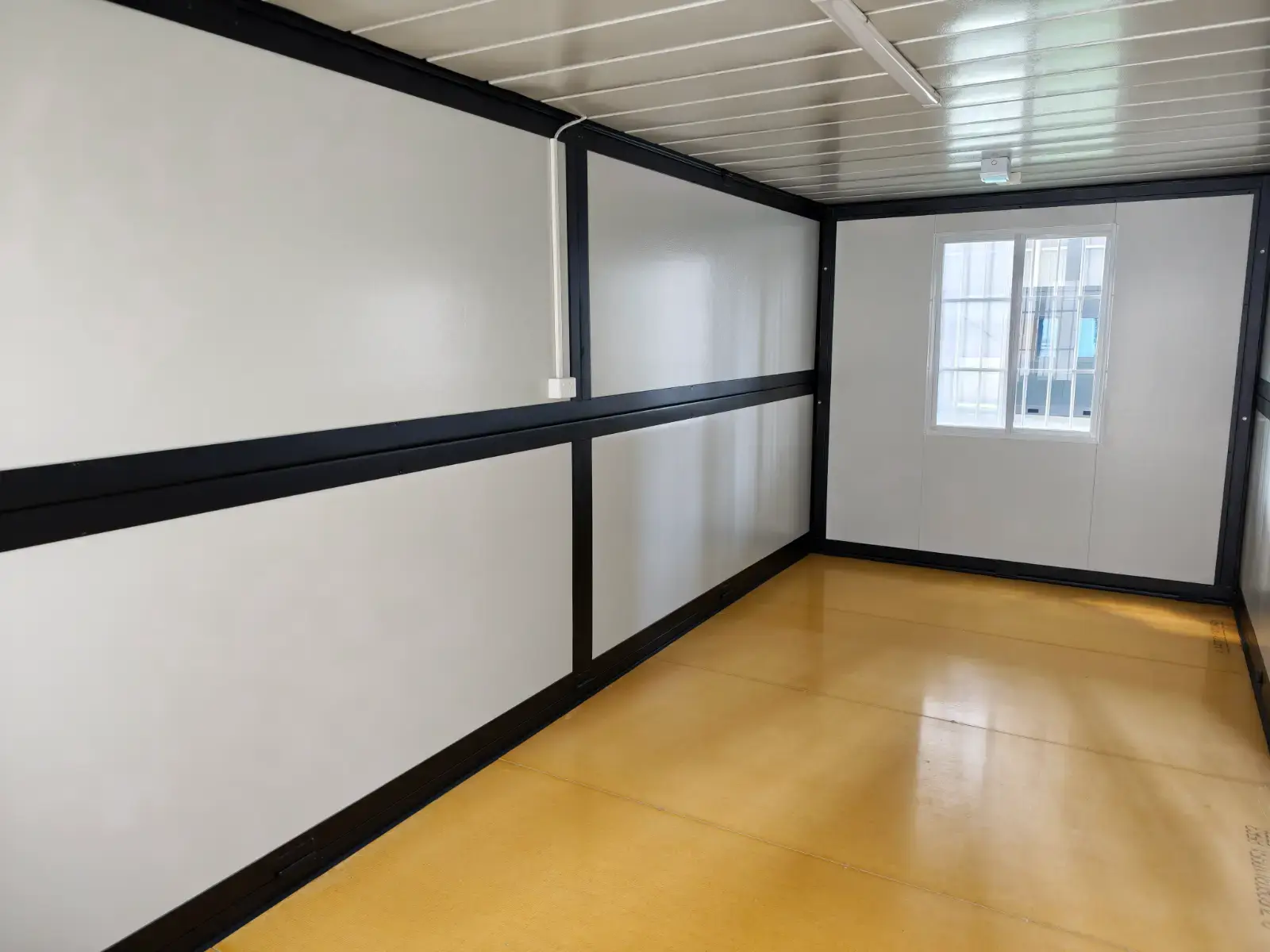
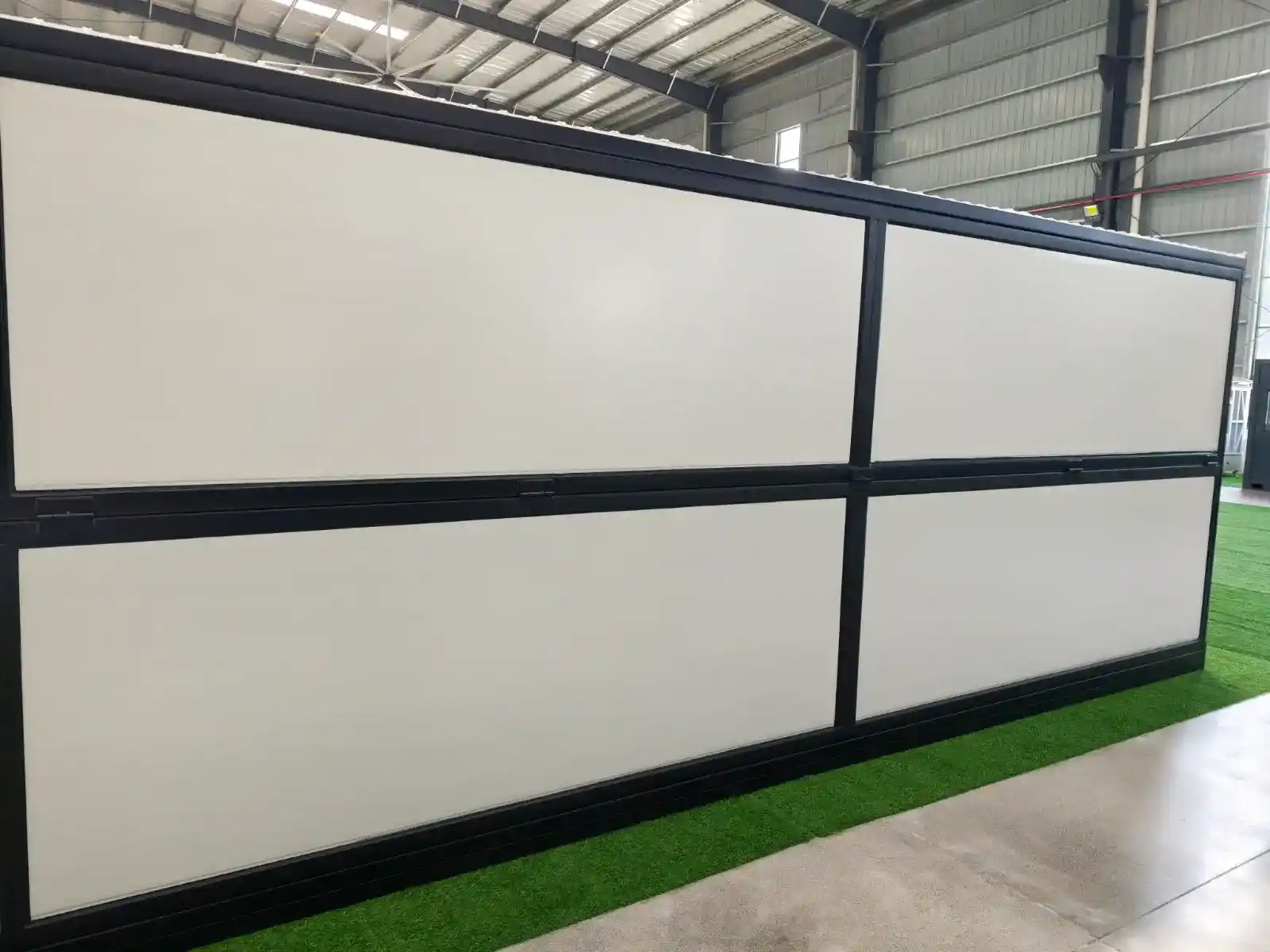
If you are planning a temporary housing project, a remote work camp, or an emergency relief settlement, understanding the nuances between these structures is critical. This comprehensive guide will explore the engineering, logistics, and economic differences between these two solutions, highlighting why the innovative folding design is rapidly becoming the superior choice.
Understanding the Traditional Flat-Pack System
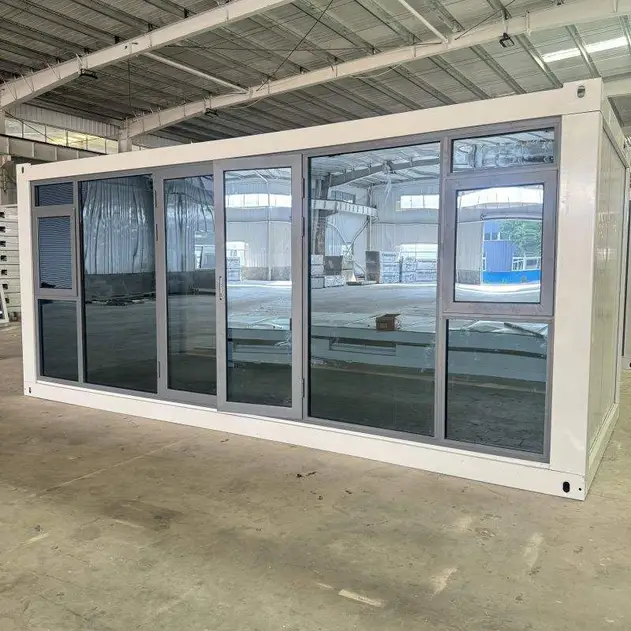
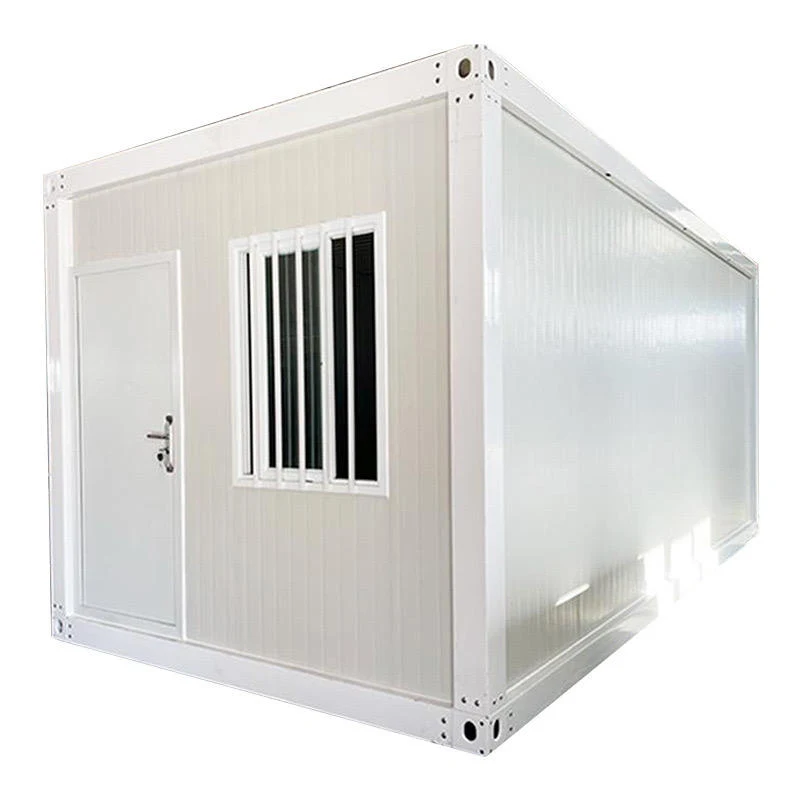
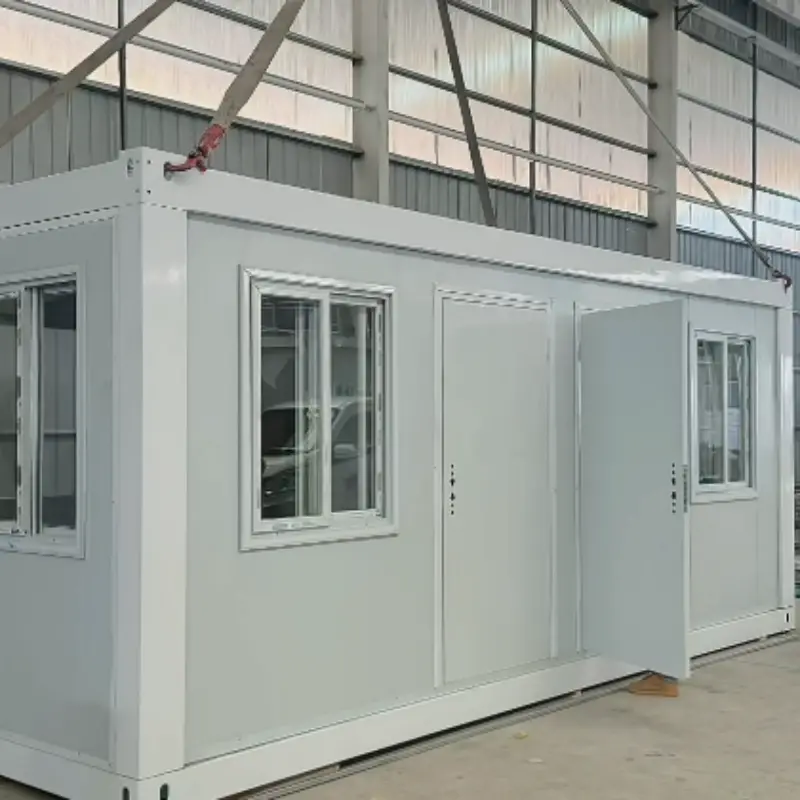
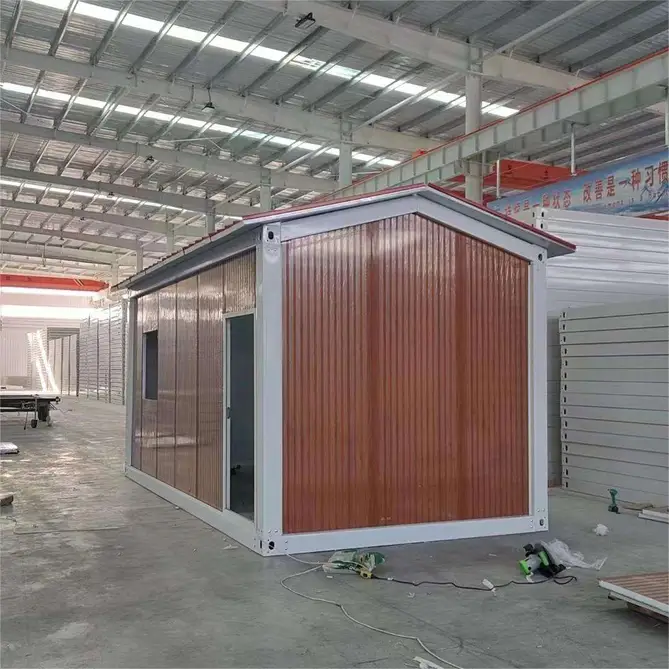
To appreciate the advancements in modern container housing, it is essential to first understand the traditional flat-pack system. A flat-pack container house is typically delivered as a disassembled kit. The roof and floor are fully built in the factory, while the corner posts, wall panels, doors, and windows are packed neatly between them for transport.
Once the package arrives at the site, a team of workers must manually assemble the unit. This involves using cranes or forklifts to raise the roof, bolting the corner posts into place, and systematically sliding the insulated wall panels into their designated tracks. Finally, the team must seal the joints, install the electrical fittings, and ensure the roof is watertight.
While this method allows multiple units to be shipped on a single truck—drastically reducing transportation costs—the on-site assembly can be a bottleneck. It requires skilled labor, favorable weather conditions, and heavy lifting equipment.
The Innovation of the X-Type Folding Container House
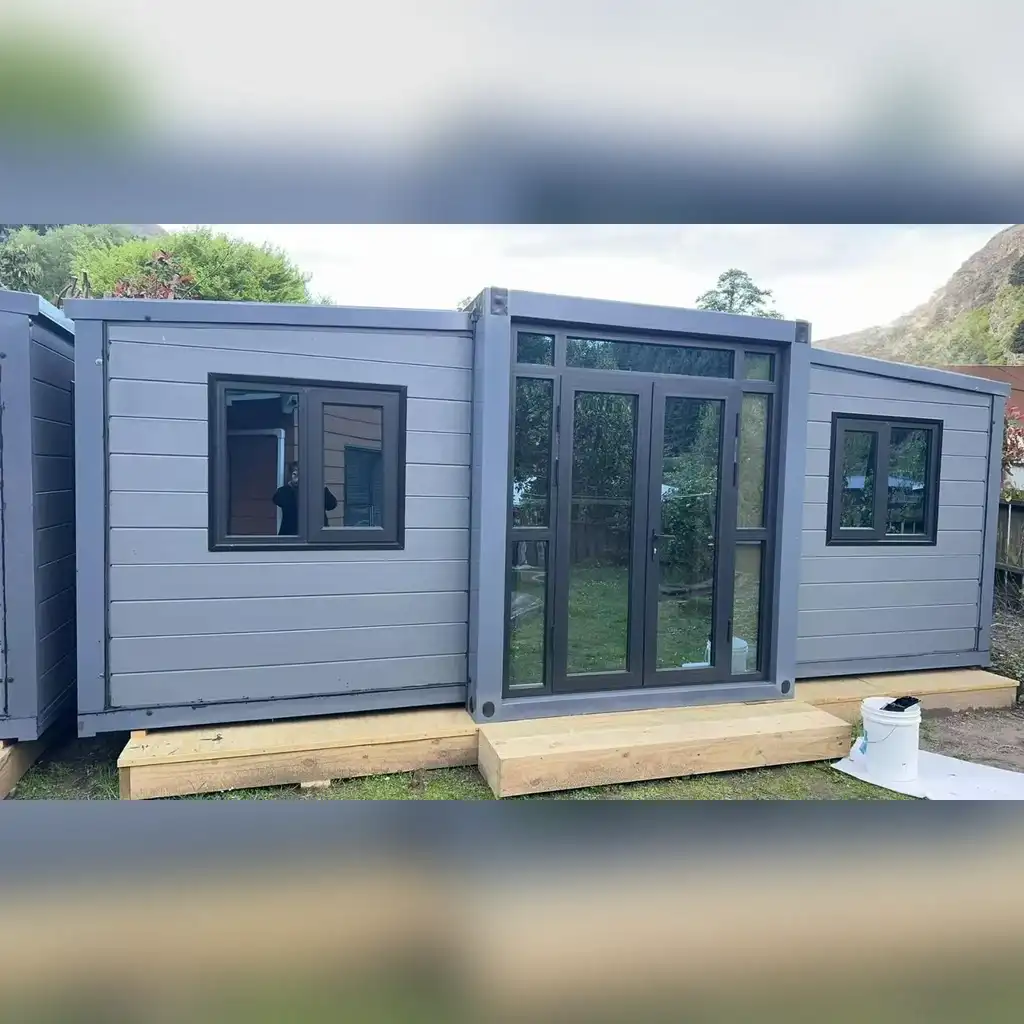
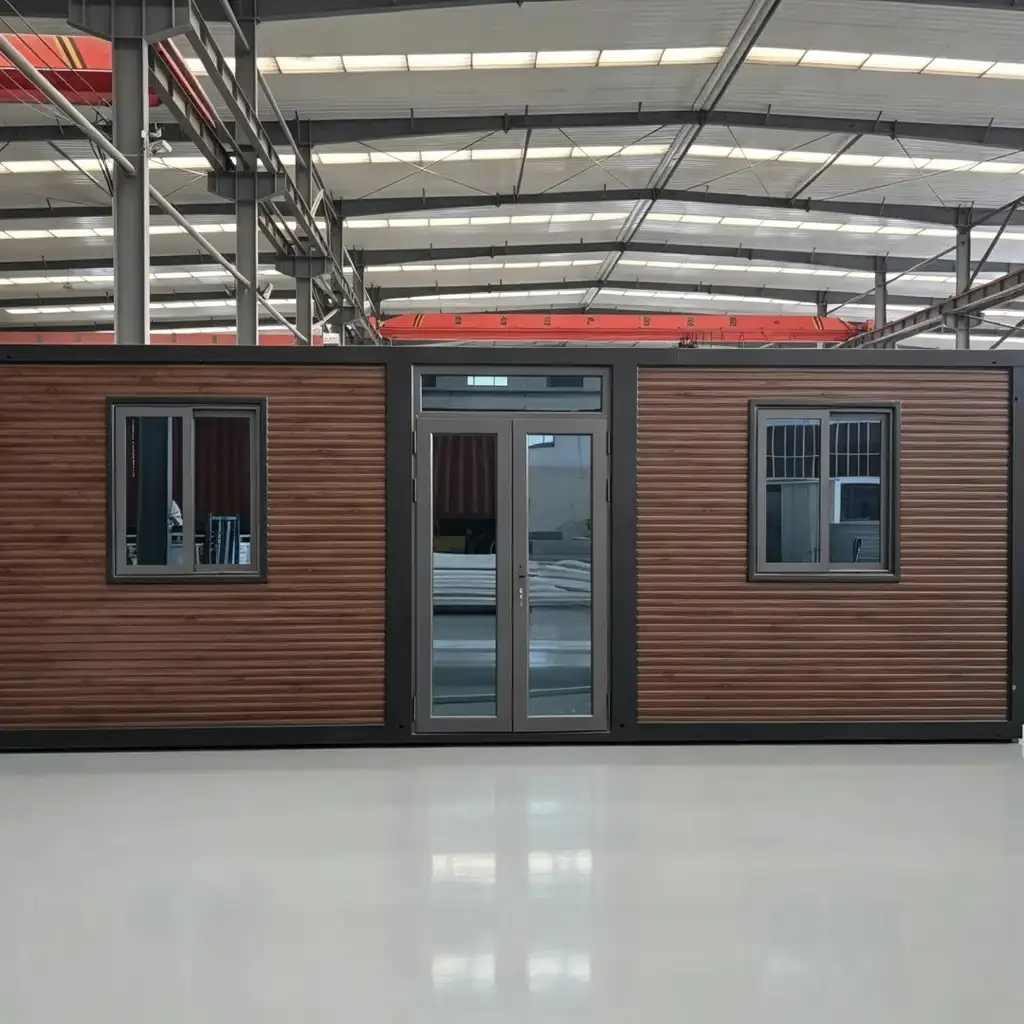
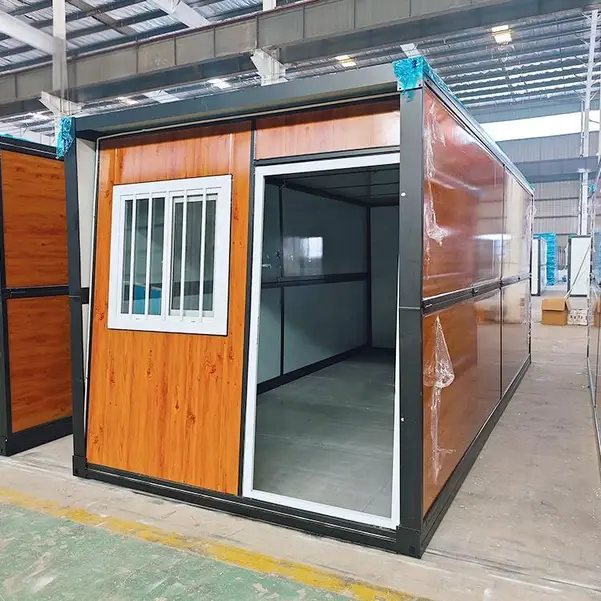
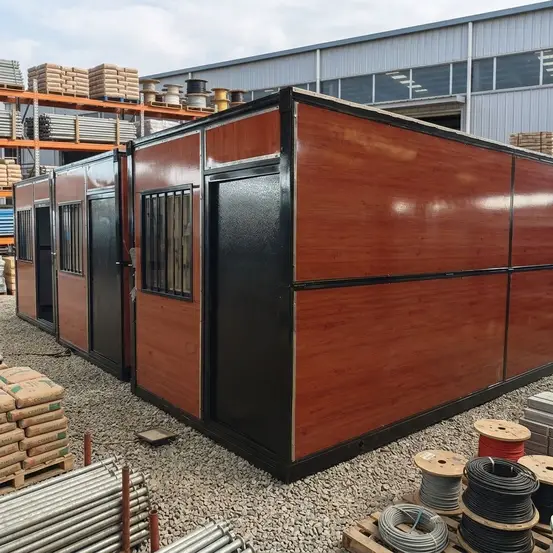
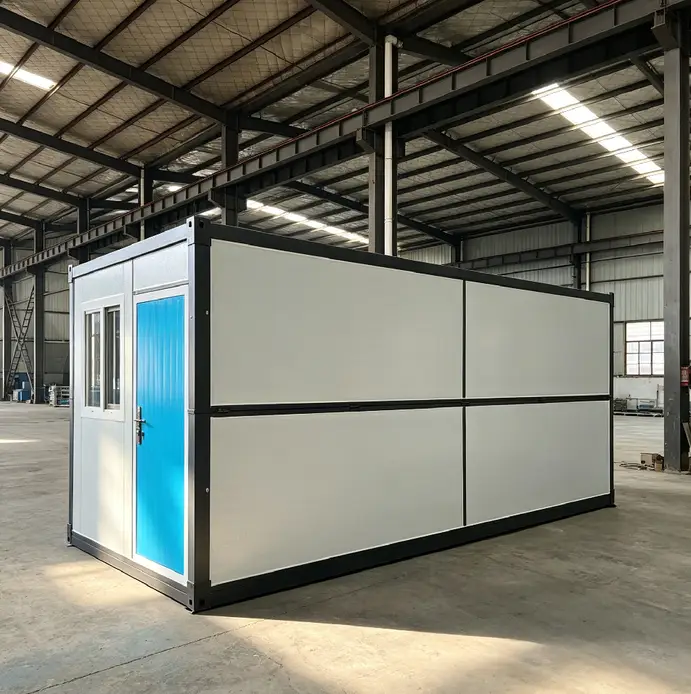
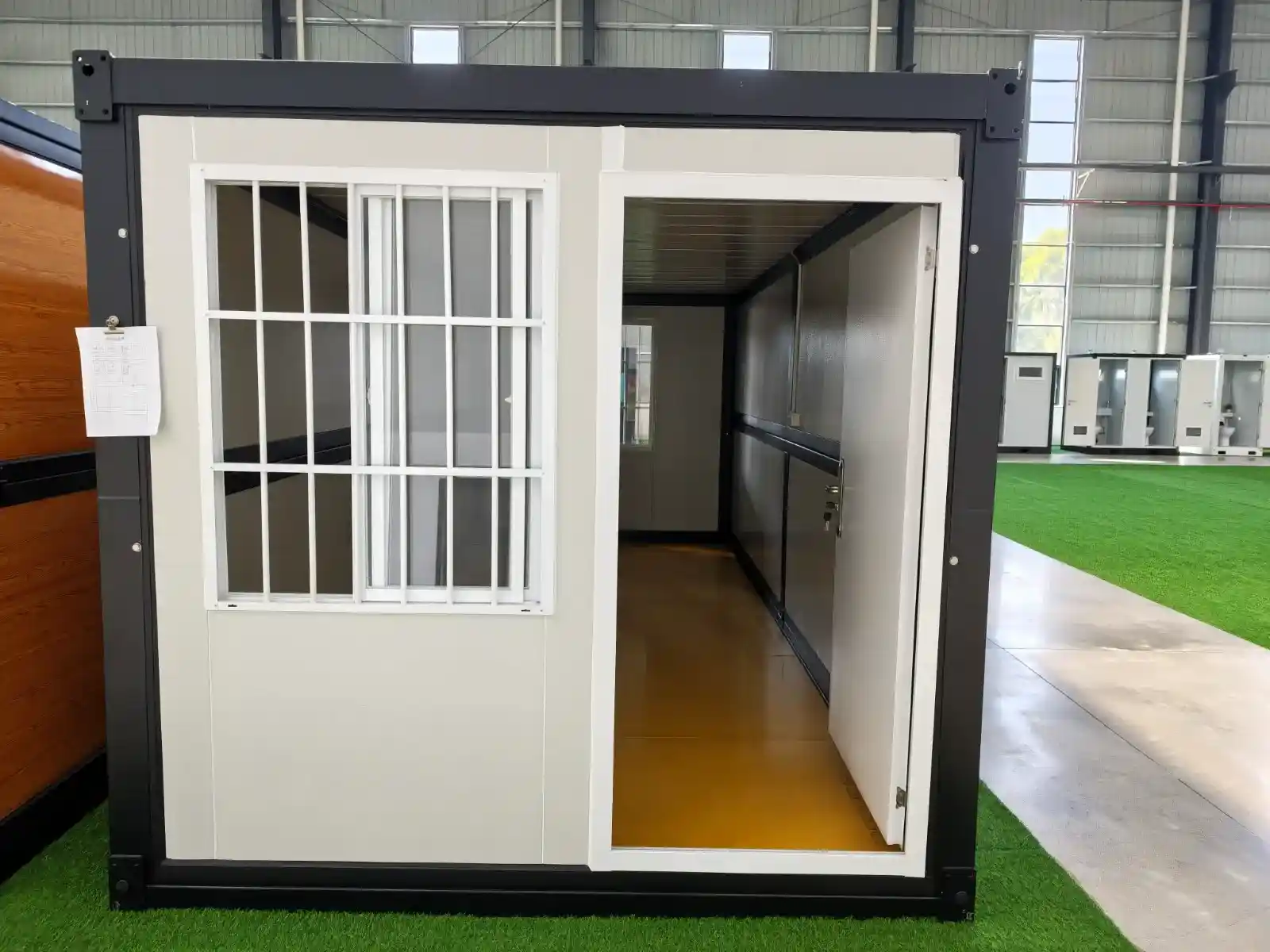
Enter the X-type folding container house, a marvel of modern structural engineering designed to eliminate the inefficiencies of the flat-pack system. Unlike its predecessor, the X-type unit is practically fully assembled at the factory.
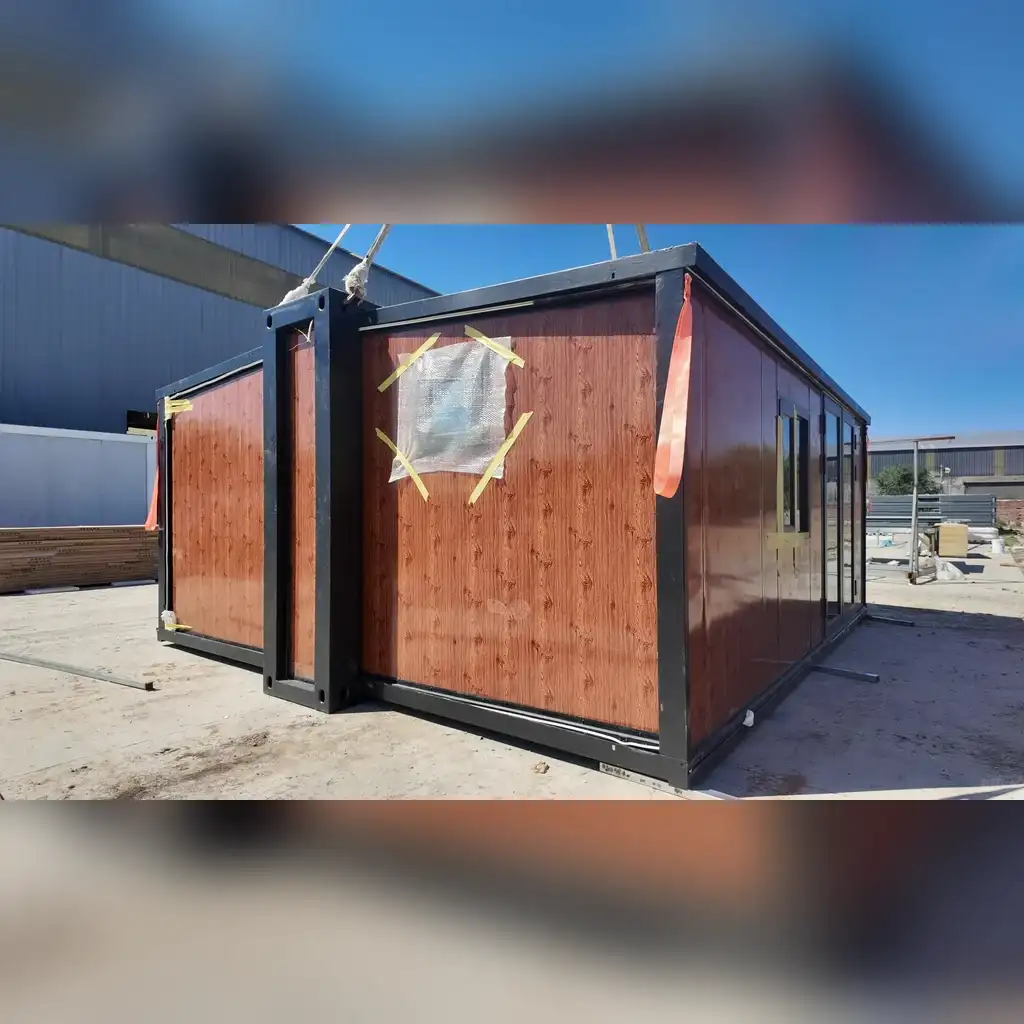
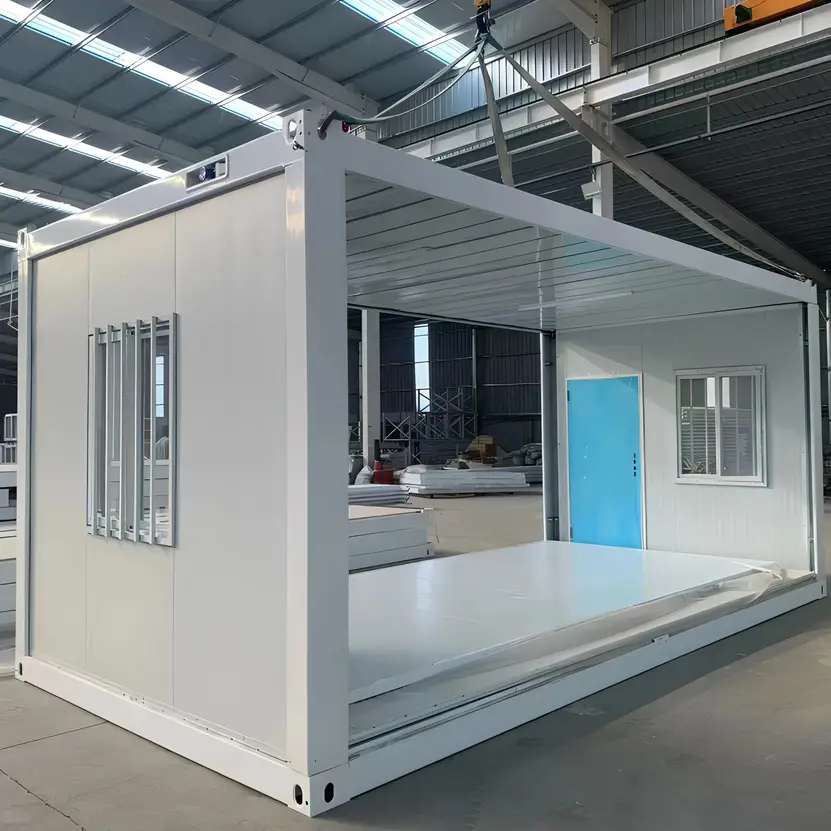
The genius of this design lies in its integrated hinge system. The walls, floor, and roof are permanently connected through a specialized folding mechanism. When folded for transport, it is just as compact as a traditional flat-pack. However, the deployment process is where the X-type truly shines.
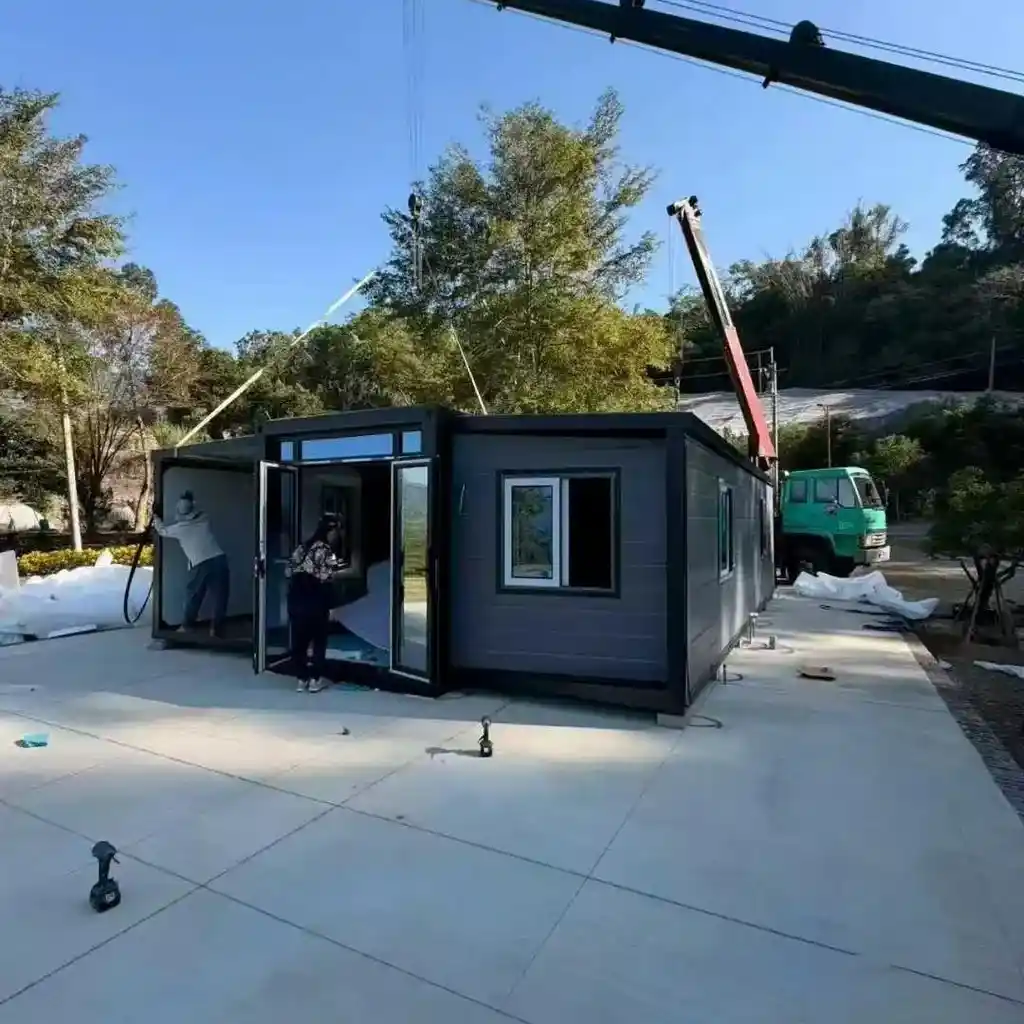
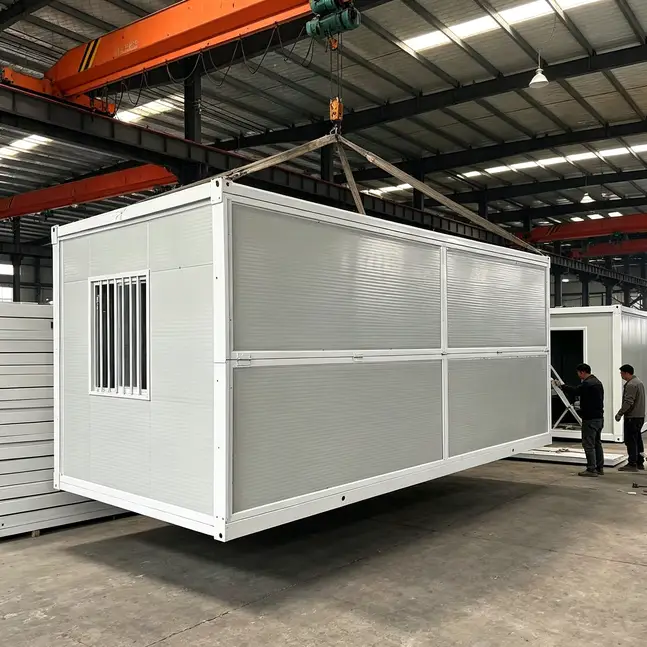
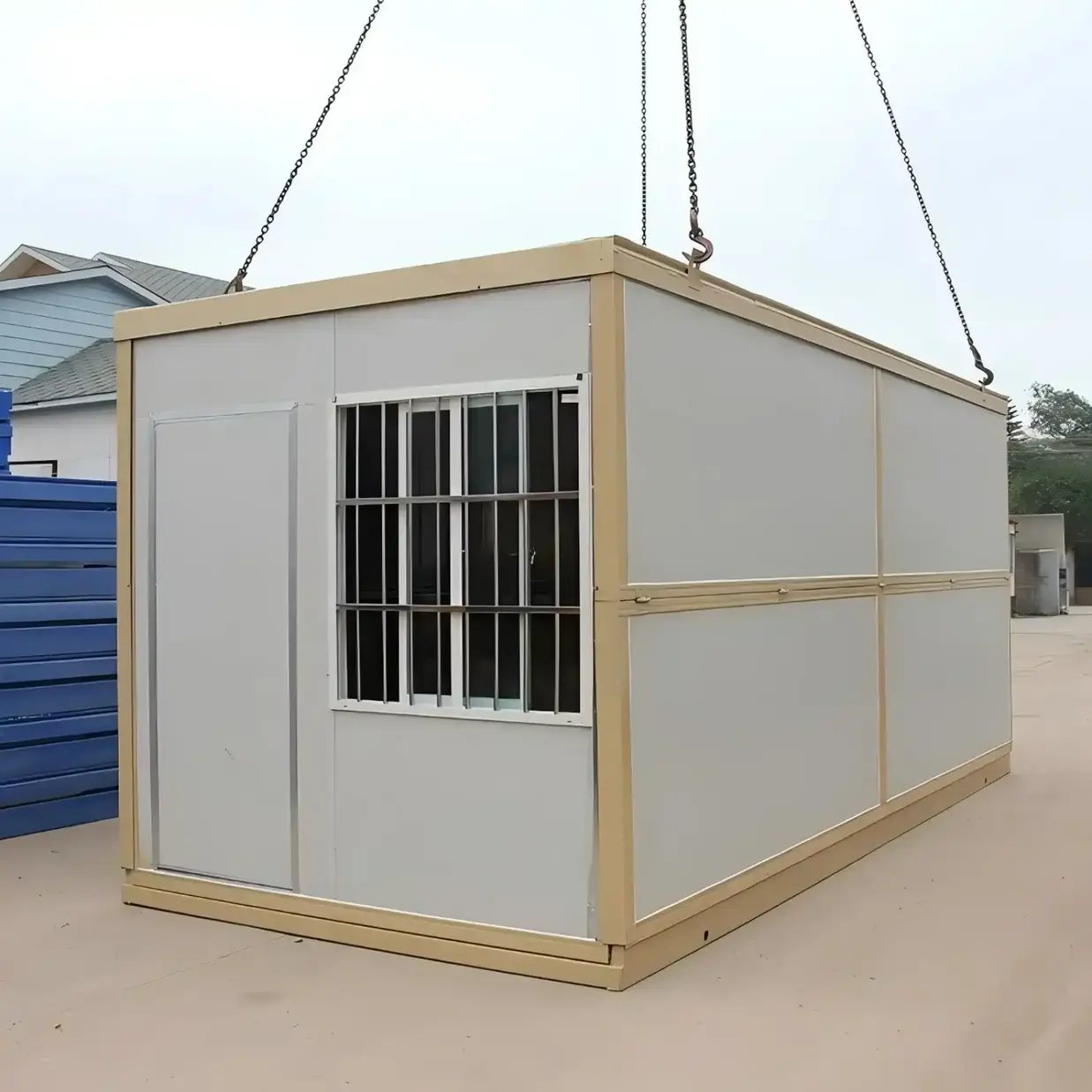
To install an X-type unit, a crane simply lifts the roof. As the roof rises, the built-in hinges allow the walls to naturally unfold and lock into place—forming an "X" shape during the transitional movement. Within minutes, the primary structure is standing, requiring minimal manual labor to secure the locking mechanisms. This automated, gravity-assisted deployment represents a paradigm shift in rapid construction.
Key Performance Differences in Speed, Strength, and Efficiency
When conducting a comprehensive flat pack container house comparison, it is vital to evaluate how these structures perform across the most critical metrics of construction and deployment.
1. Installation Speed and Labor Requirements
Time is arguably the most valuable resource on any construction site.
- Traditional Flat-Pack: Assembling a single unit typically takes a team of three to four skilled workers anywhere from two to four hours. The process involves handling dozens of loose parts, screws, and panels. If weather conditions are poor (such as high winds or heavy rain), assembly must often be halted to protect the interior materials and ensure worker safety.
- X-Type Folding: The deployment of this unit takes an average of 10 to 15 minutes. Because the walls and roof are pre-hinged, a crane simply expands the unit, and two workers lock the panels into place. This translates to unparalleled speed, allowing a small crew to set up an entire camp of dozens of units in a single day, regardless of most weather conditions.
2. Structural Integrity and Waterproofing
The long-term durability of a modular home relies heavily on its joints and seals.
- Traditional Flat-Pack: Because the unit is assembled piece by piece on-site, the structural integrity depends entirely on the skill of the local workers. Every bolted joint and panel seam is a potential weak point for water ingress. Site workers must meticulously apply sealants to ensure the unit is weatherproof.
- X-Type Folding: The folding mechanism is precision-engineered in a controlled factory environment. The structural hinges are heavily reinforced, creating a continuous, solid frame. Furthermore, the waterproofing seals are integrated into the folding tracks at the factory. When the unit is deployed, these seals compress tightly, virtually eliminating the risk of human error and providing superior resistance against leaks and wind drafts.
3. Relocation and Reusability
Modular buildings are rarely meant to stay in one place forever. Site offices move, and temporary camps are eventually decommissioned.
- Traditional Flat-Pack: Disassembling a flat-pack unit is nearly as labor-intensive as building it. Screws can strip, panels can get damaged during removal, and the sealing materials must be scraped off and reapplied at the next location. Over multiple relocations, the components degrade, limiting the lifespan of the unit.
- X-Type Folding: This unit was designed explicitly for constant relocation. To move the structure, workers simply unlock the main joints and allow a crane to fold the unit back down into its compact shipping state. There are no loose panels to lose or damage. An X-type unit can be folded and unfolded hundreds of times without compromising its structural integrity.
Comparative Overview Table
To summarize the operational differences, the table below outlines the core metrics:
| Average Installation Time | 2 to 4 Hours | 10 to 15 Minutes |
| Labor Required | 3 - 4 Skilled Workers | 2 Basic Workers + Crane |
| On-Site Assembly | Complex (Bolts, Panels, Sealants) | Simple (Unfold and Lock) |
| Waterproofing Reliability | Dependent on on-site labor | Factory-integrated, High reliability |
| Structural Joints | Bolted on-site | Factory-welded and hinged |
| Relocation Ease | Difficult (High risk of wear and tear) | Seamless (Folds down instantly) |
| Ideal Application | Semi-permanent installations | Rapid deployment, frequent relocation |
Cost-Efficiency and Long-Term ROI
At first glance, procurement managers might notice that the initial purchase price of an X-type folding container house can be marginally higher than a standard flat-pack due to the complex hinge engineering. However, professional cost analysis requires looking at the total lifecycle costs, not just the factory price.
The X-type design offers immense savings in on-site labor. By reducing installation time from hours to minutes, project managers can drastically cut payroll costs. Furthermore, the reduction in assembly time means faster project completion, allowing commercial operations (like mining camps or site offices) to commence operations days or weeks earlier.
Additionally, the durability during relocation ensures a much higher return on investment (ROI). While a flat-pack might need to be replaced after a few relocations due to panel damage, the X-type asset remains operational for years across multiple different sites.
Ideal Applications for X-Type Folding Containers
Because of its rapid deployment capabilities and robust structure, the X-type is dominating several key sectors:
- Disaster Relief and Emergency Housing: Following natural disasters, speed is a matter of life and death. The ability to deploy fully weather-proof, secure housing in 10 minutes makes the X-type the ultimate solution for emergency responders.
- Mining and Construction Camps: In remote locations where skilled labor is scarce and expensive, minimizing on-site construction time is paramount. X-type units provide immediate, comfortable quarters for workers.
- Military Deployments: The logistical efficiency of shipping compact units that can be instantly converted into tactical operations centers or barracks is highly valued in defense sectors.
- Events and Pop-Up Commercial Spaces: For festivals, exhibitions, or temporary retail, the folding units provide high-quality structures that can be erected in the morning and packed away the same evening.
Making the Final Decision
When navigating the complex market of prefabricated architecture, ensuring you have the right solution for your specific logistical needs is paramount. If you are building a semi-permanent structure where you will assemble it once and leave it for ten years, a traditional flat-pack might suffice.
However, the industry is moving toward flexibility. For any project where time is money, labor is expensive, or the buildings will eventually need to be moved, the folding mechanism is undeniably superior. As you outline your project budget and timelines, making your modular container home choose based on long-term efficiency rather than just the initial sticker price will lead you directly to the folding alternatives. The X-type design not only saves days of frustrating labor but also provides a stronger, safer, and more reliable shelter.
By eliminating the chaotic, piece-by-piece assembly required by older models, the X-type represents the true definition of a "plug-and-play" building.
FAQs
1. Do I need specialized equipment to install an X-type folding container?
A: You will need a standard crane or a heavy-duty forklift capable of lifting the roof to allow the walls to unfold. However, unlike traditional flat-packs, you do not need specialized hand tools, scaffolding, or a large crew of highly skilled builders to complete the structural assembly.
2. How does the X-Type perform in extreme weather conditions?
A: Exceptionally well. Because the main structure is heavily hinged and the weather seals are applied mechanically in a factory, there is very little room for human error during installation. Once locked into place, the solid steel frame provides superior wind resistance, and the factory seals ensure it remains completely watertight.
3. Can the interior layout (like electricity and plumbing) be pre-installed?
A: Yes. One of the major advantages of the folding design is that basic electrical wiring and sockets can be pre-integrated into the panels at the factory. Once the unit is unfolded, it is essentially a matter of plugging the main external power source into the unit's junction box, making it habitable almost instantly.