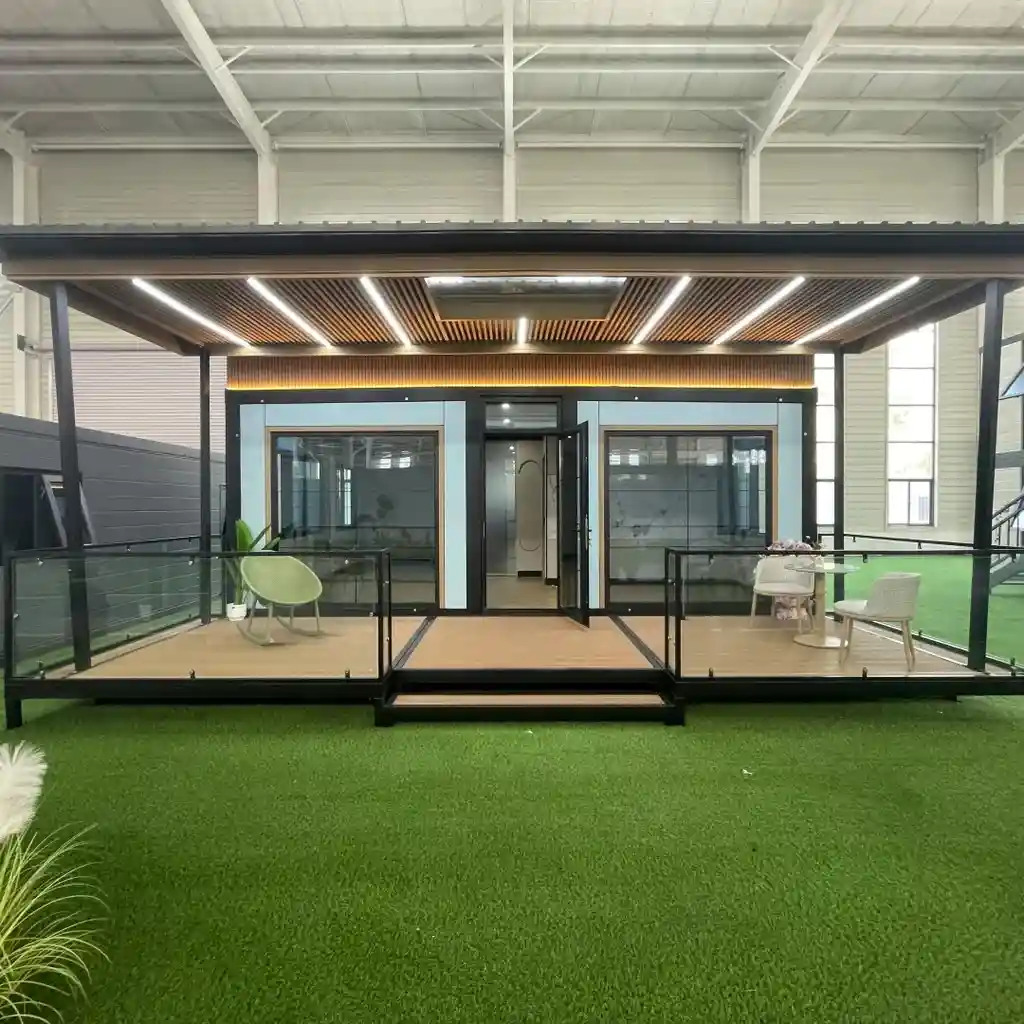
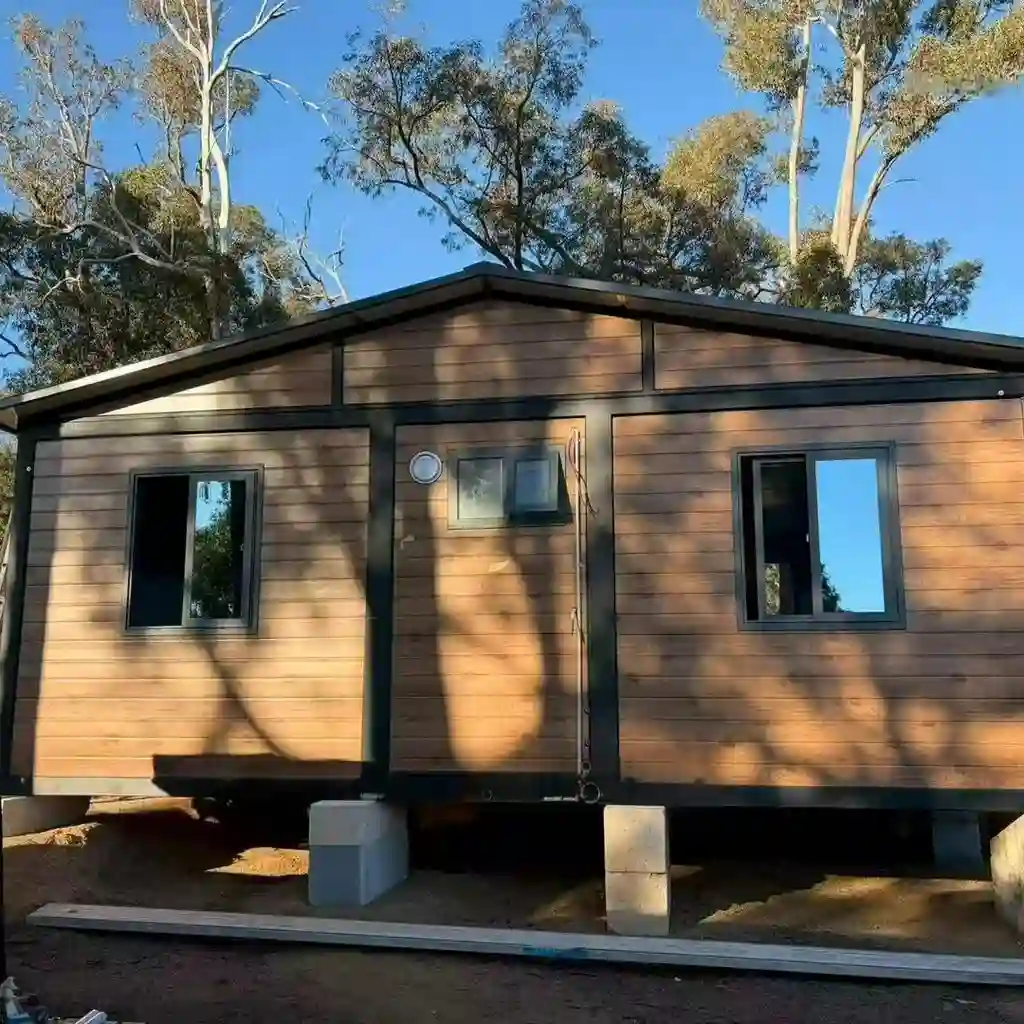
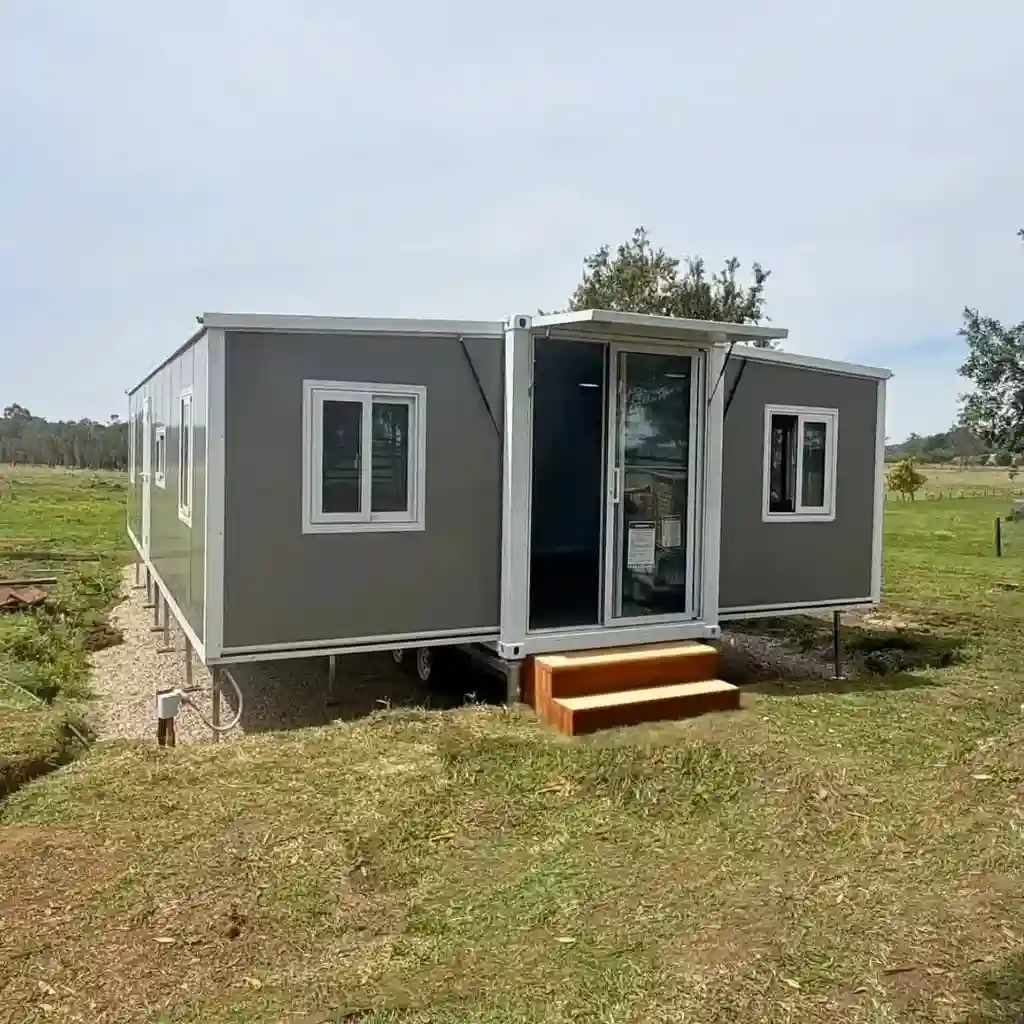
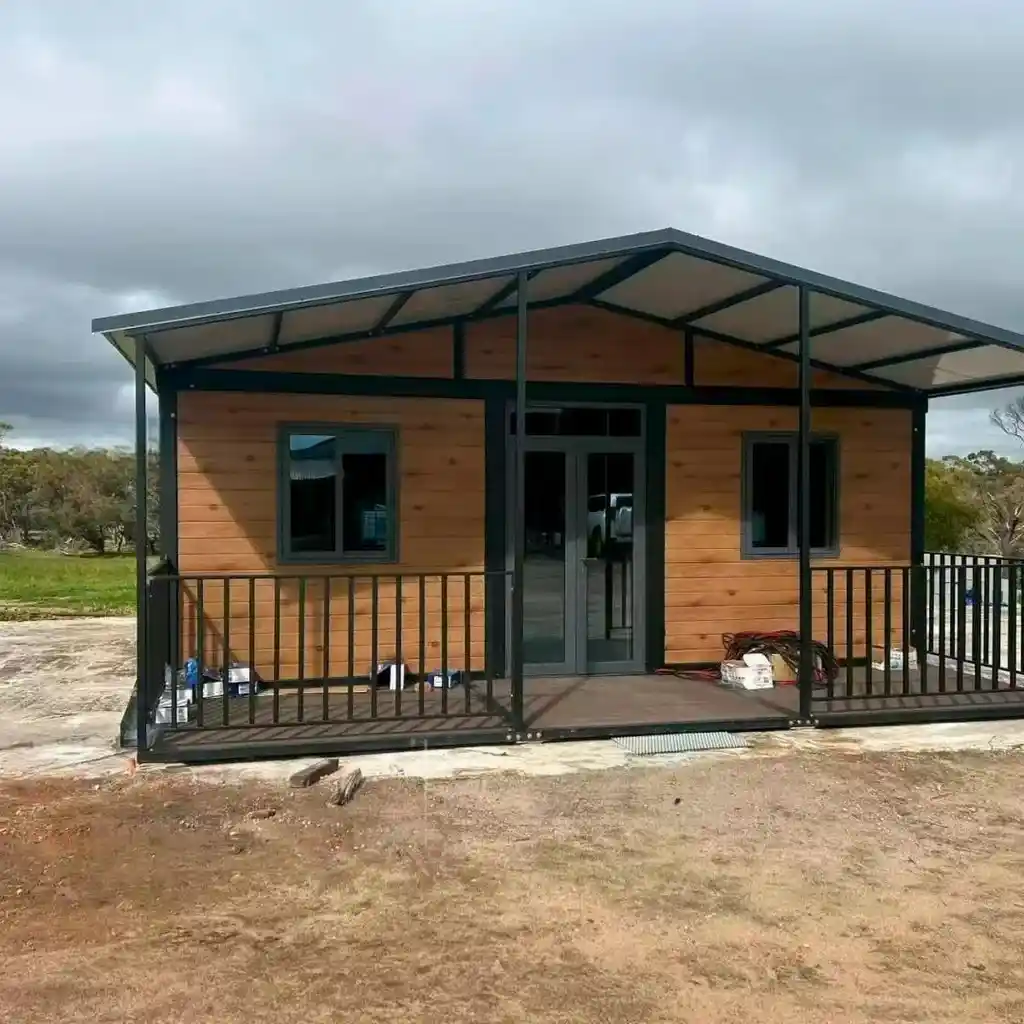
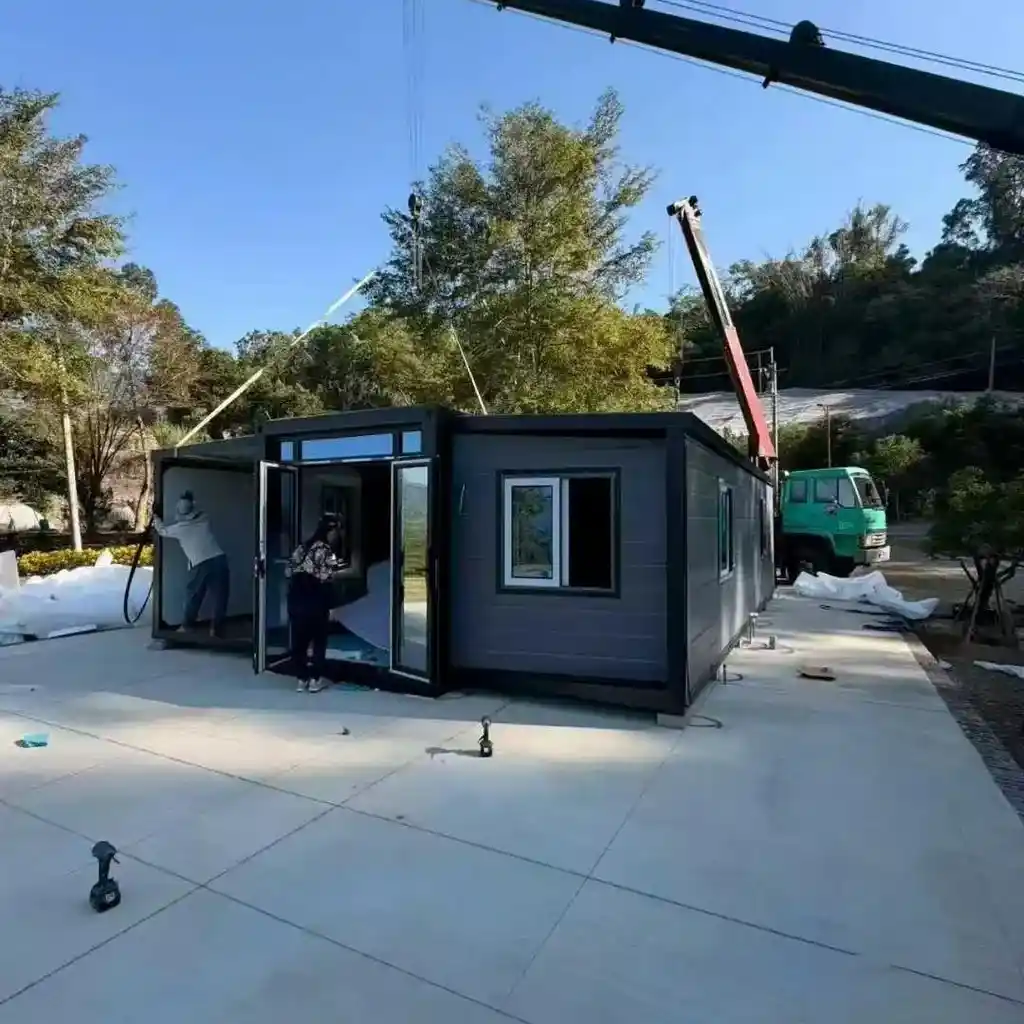
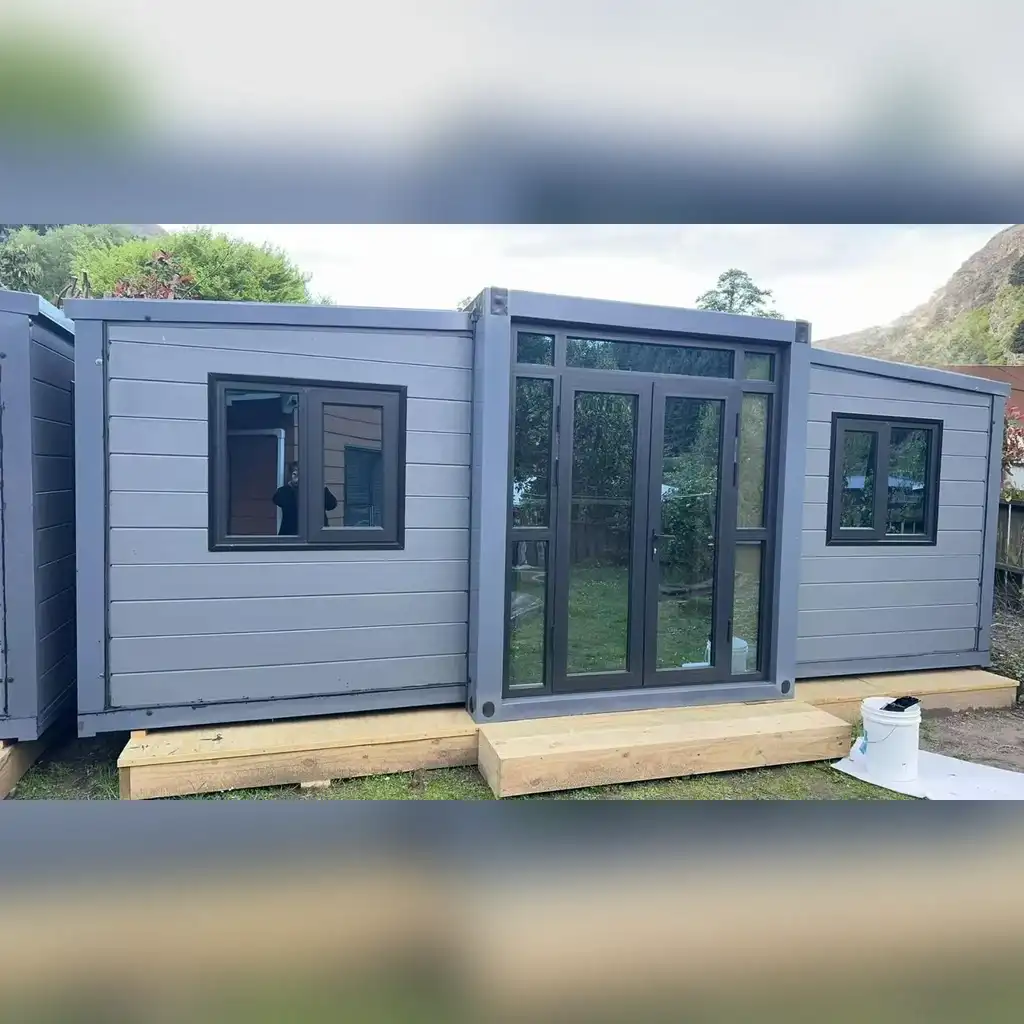
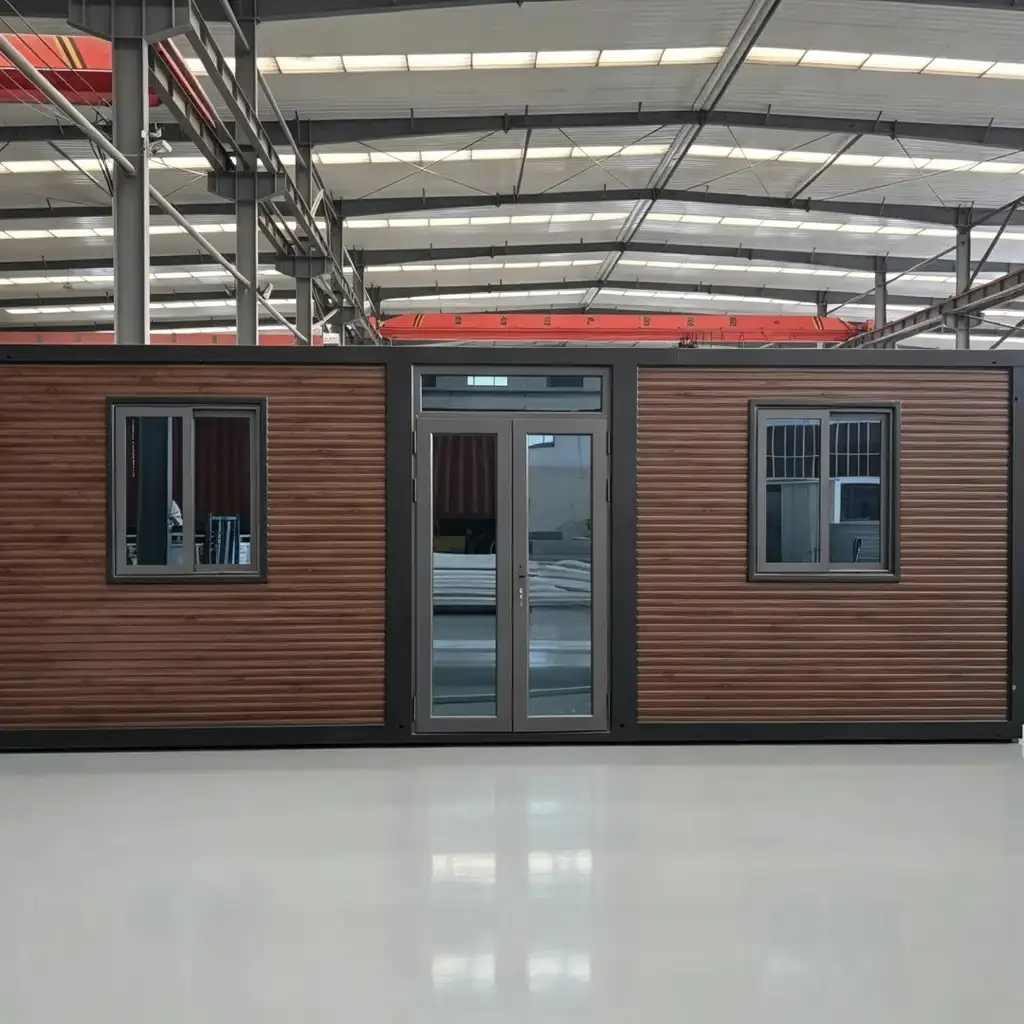
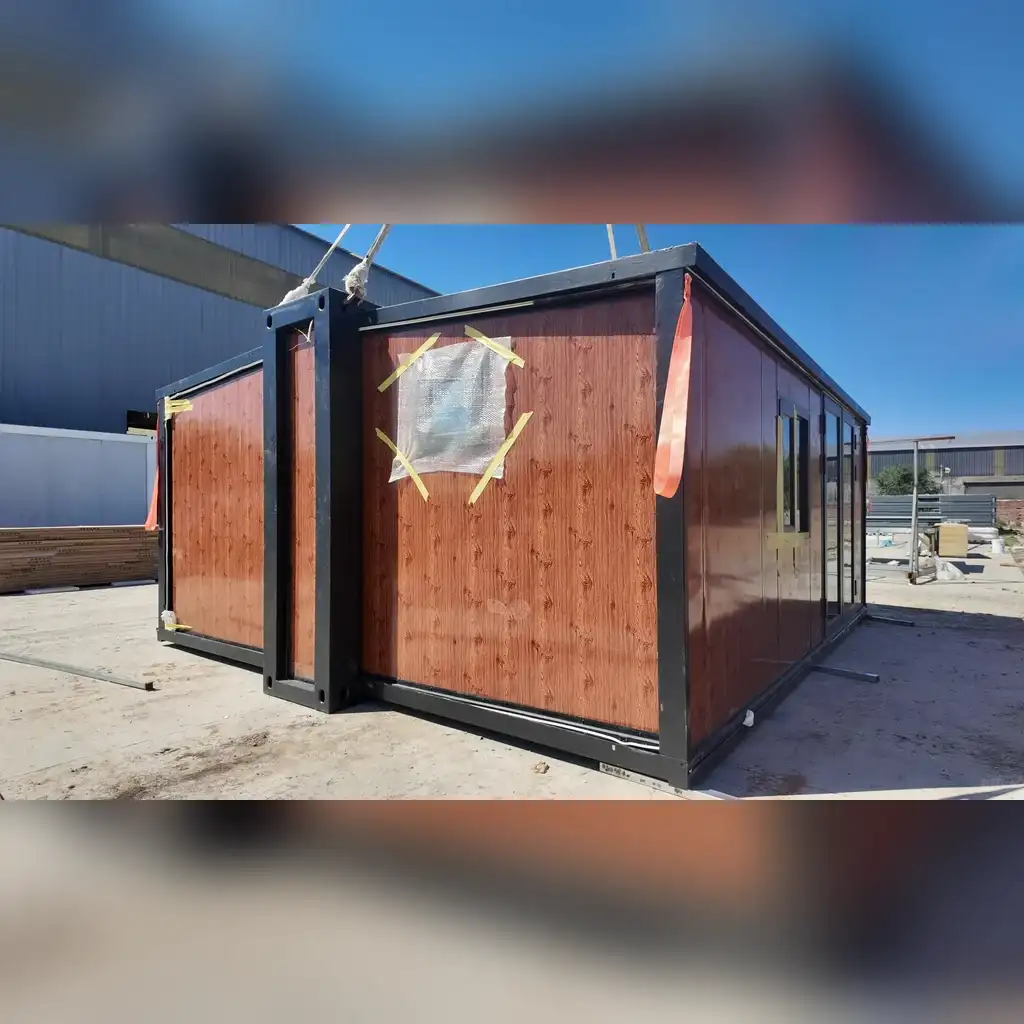
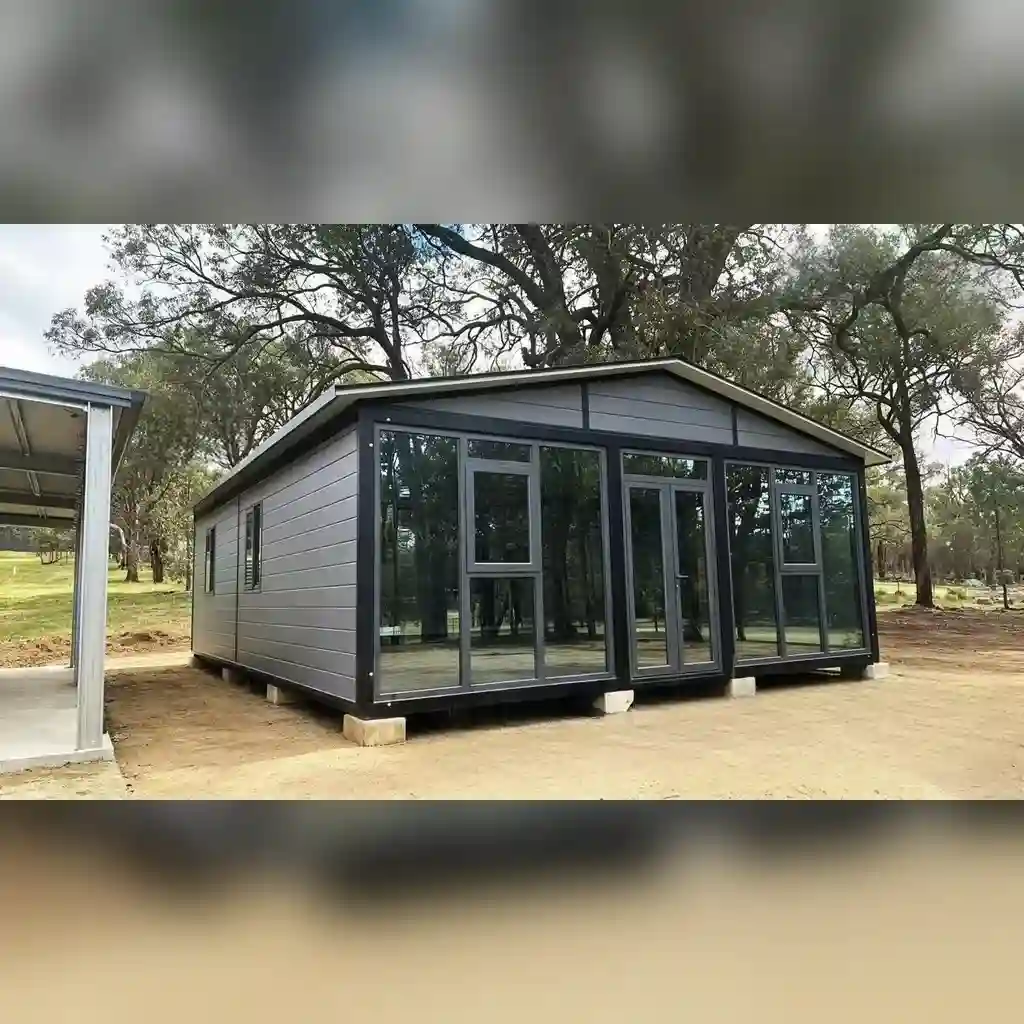
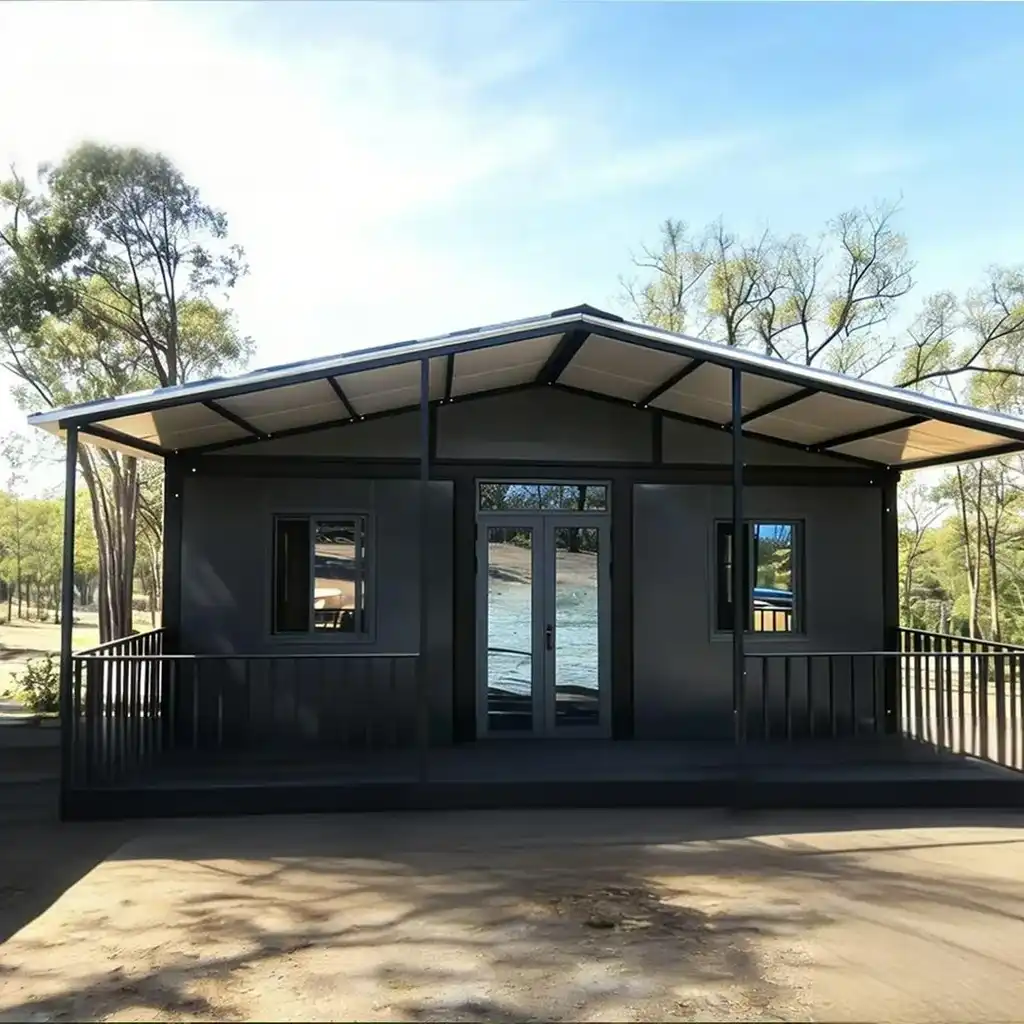
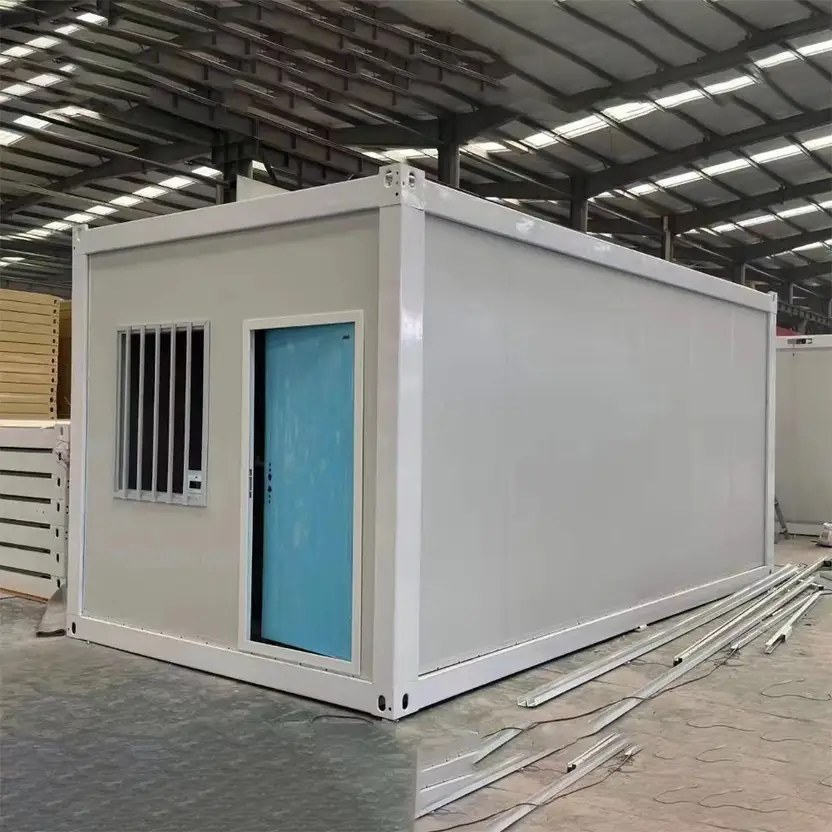
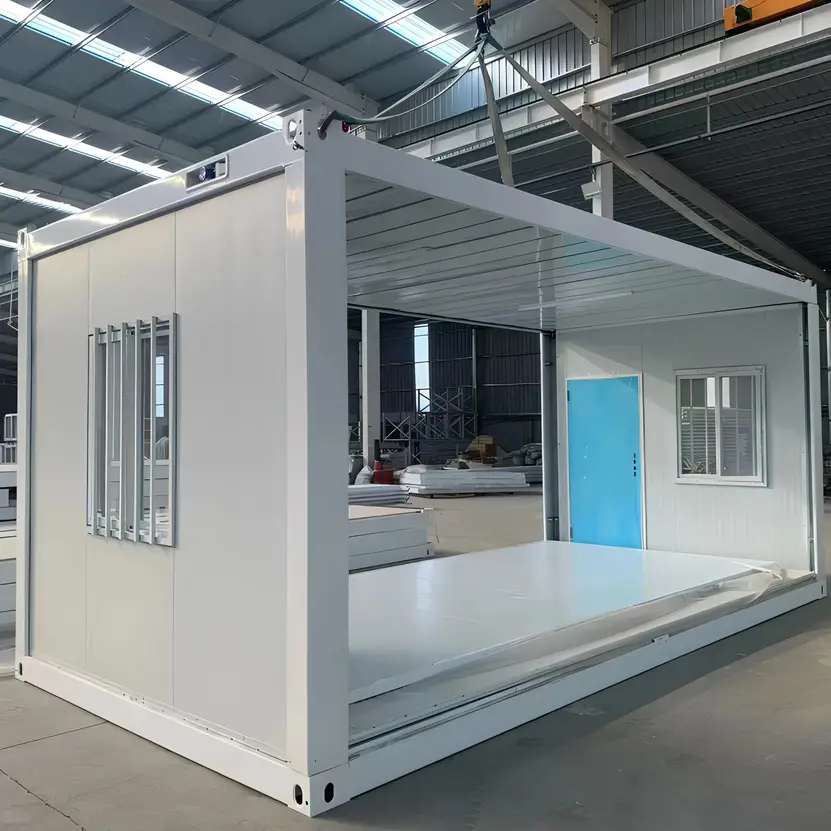
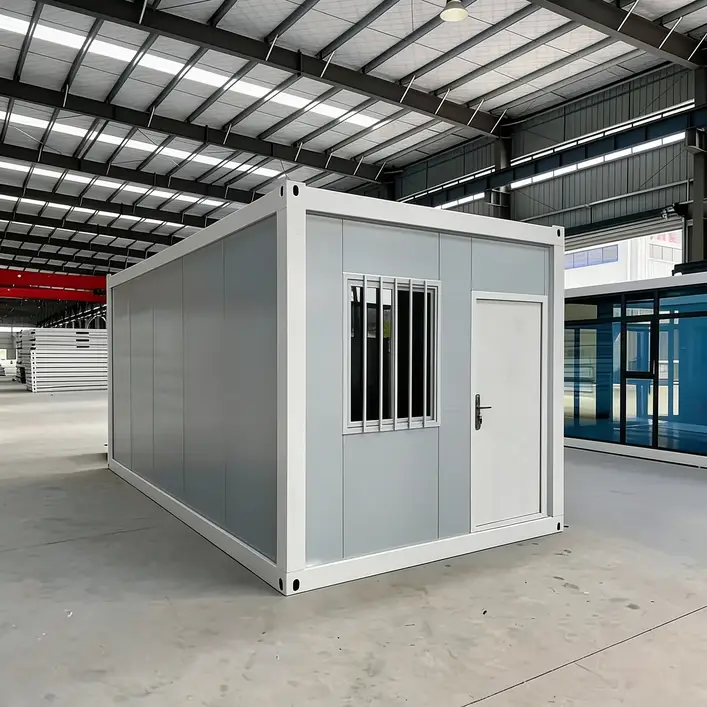
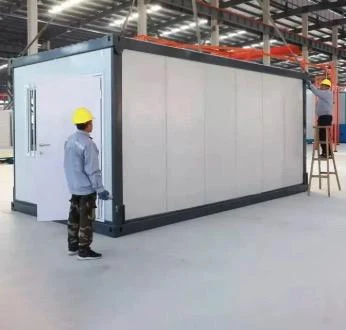
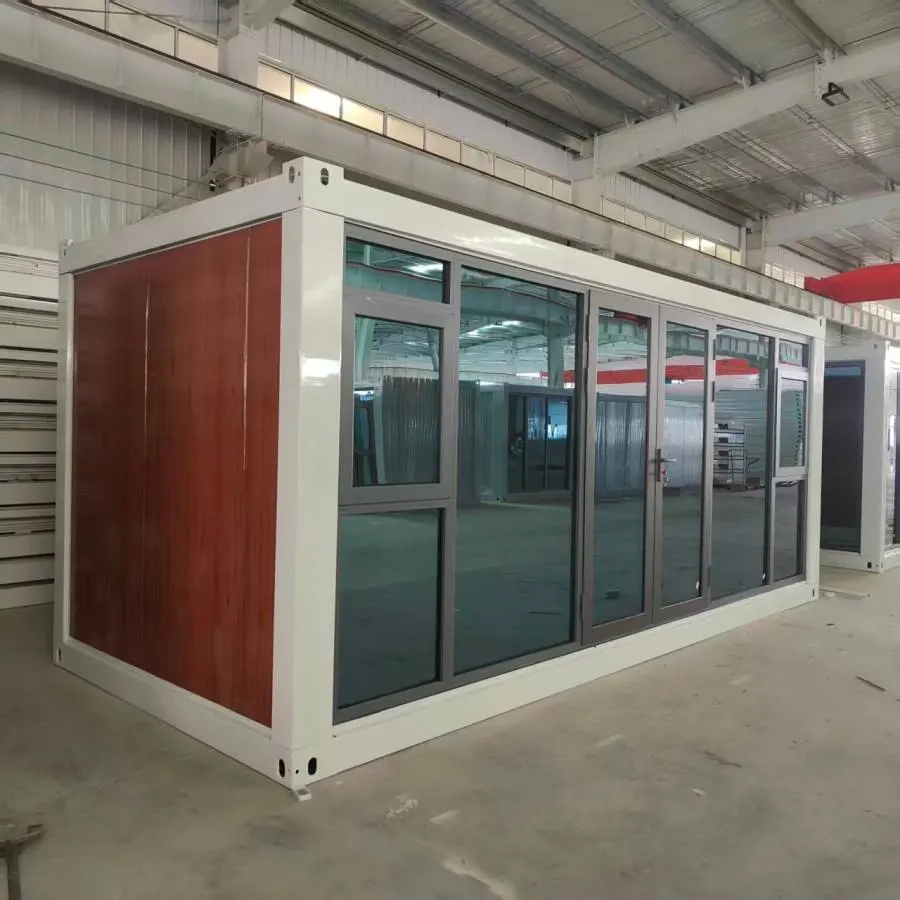
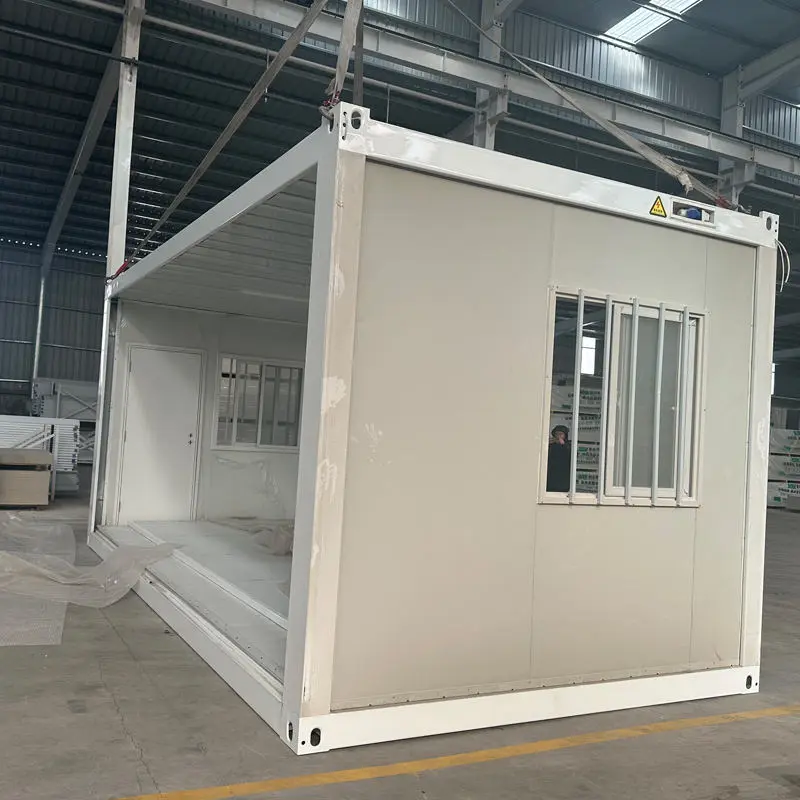
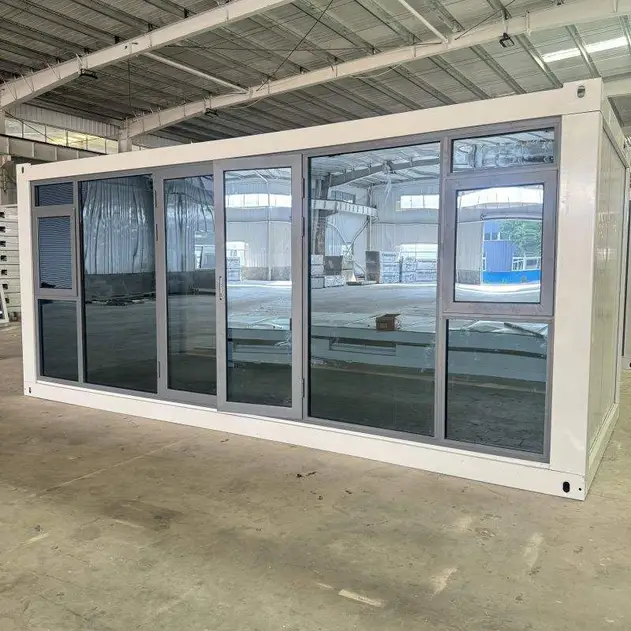
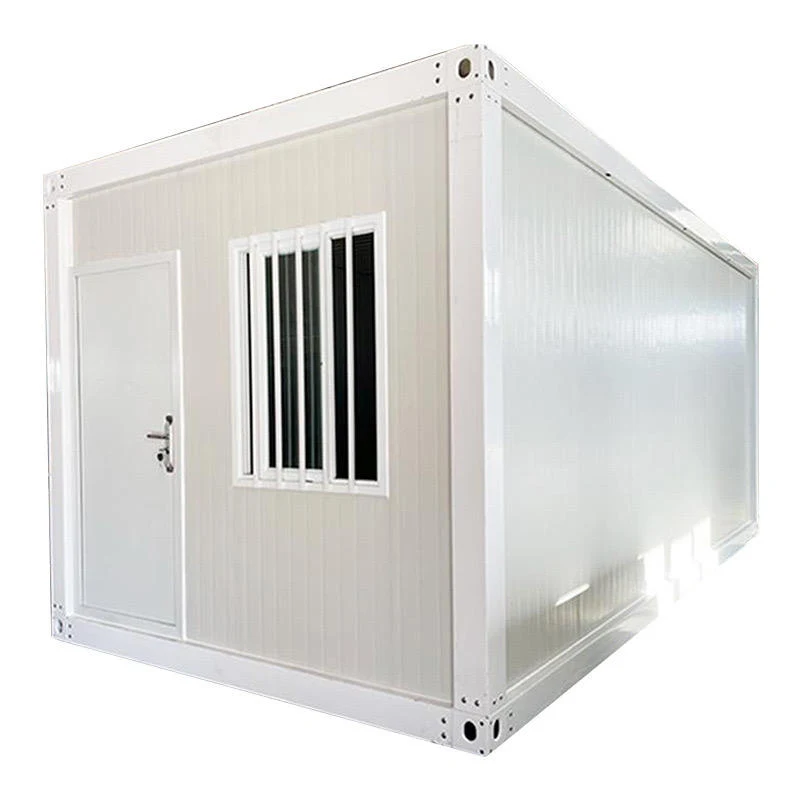
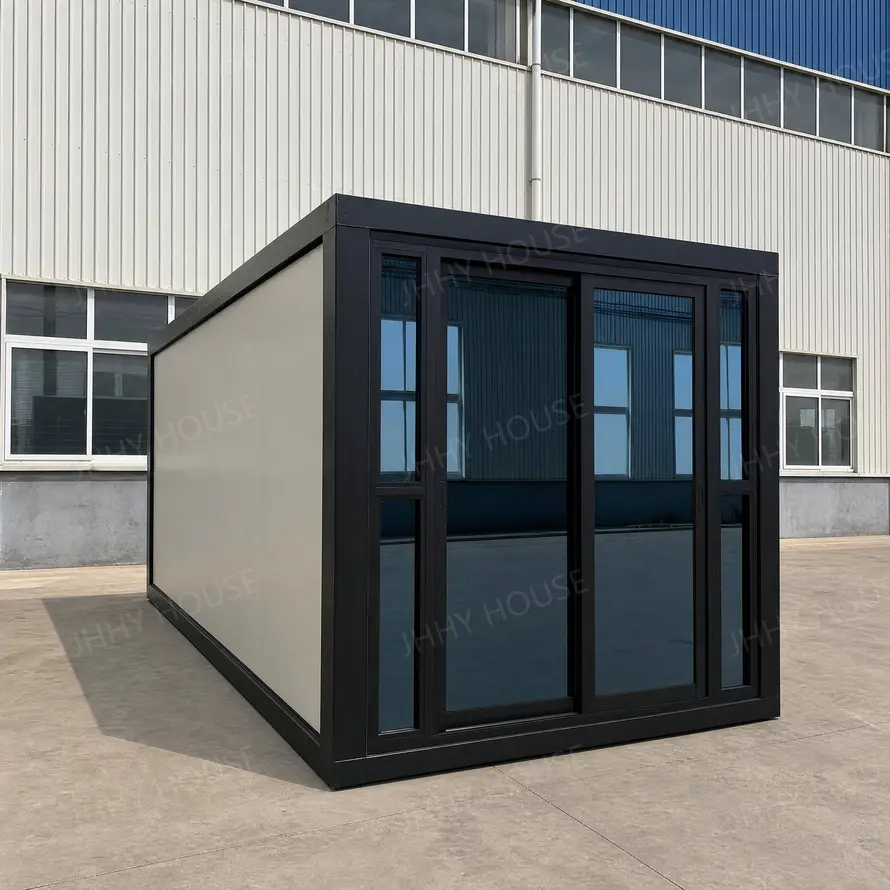
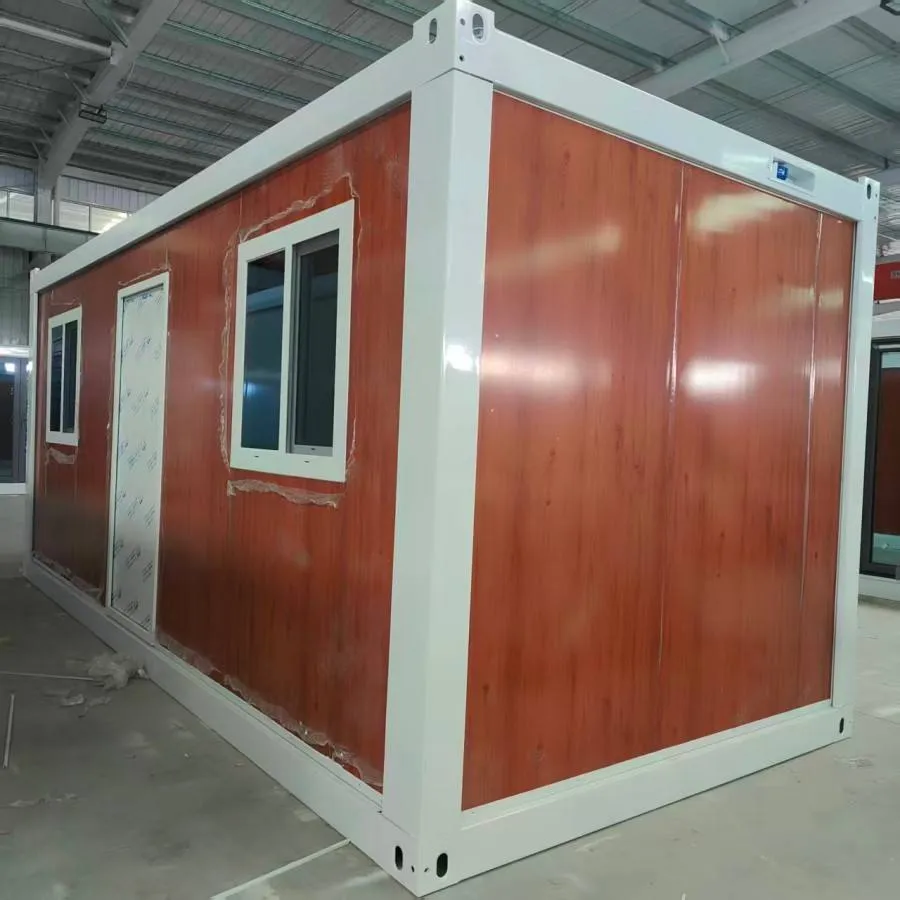
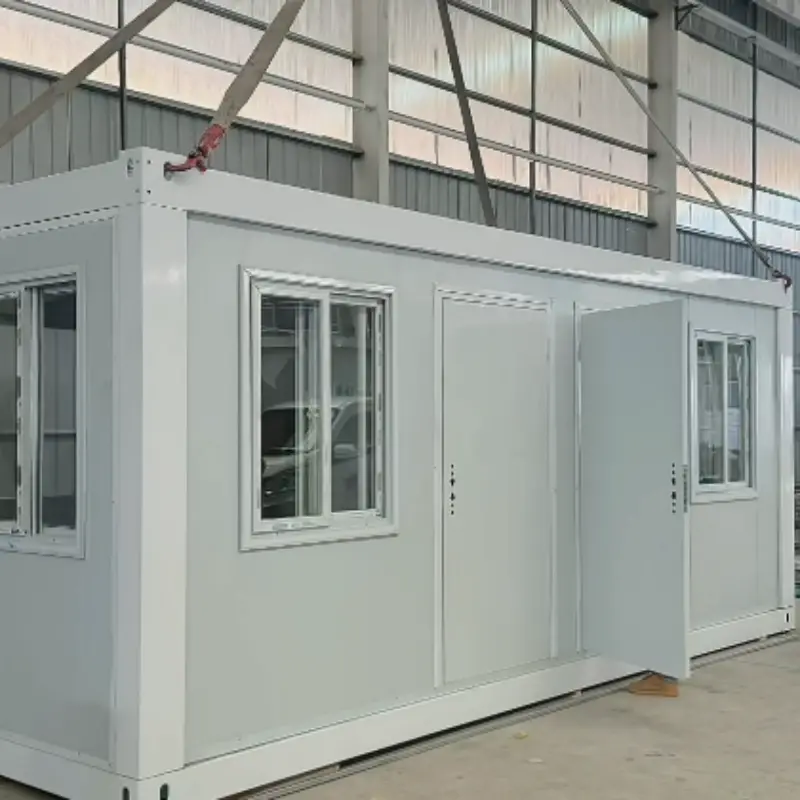
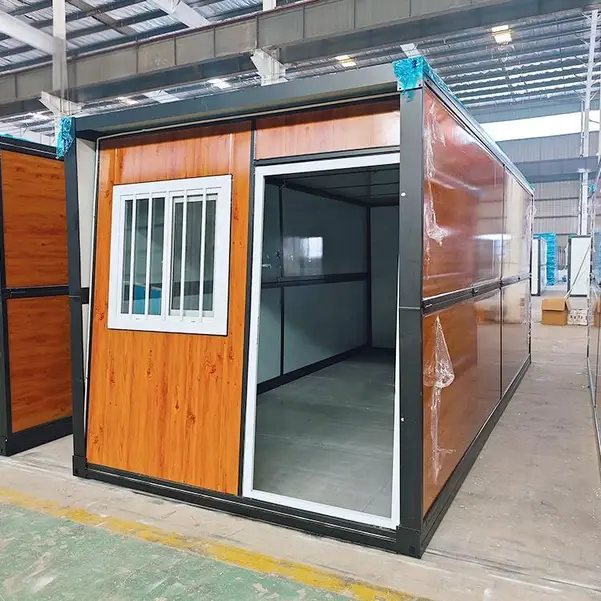
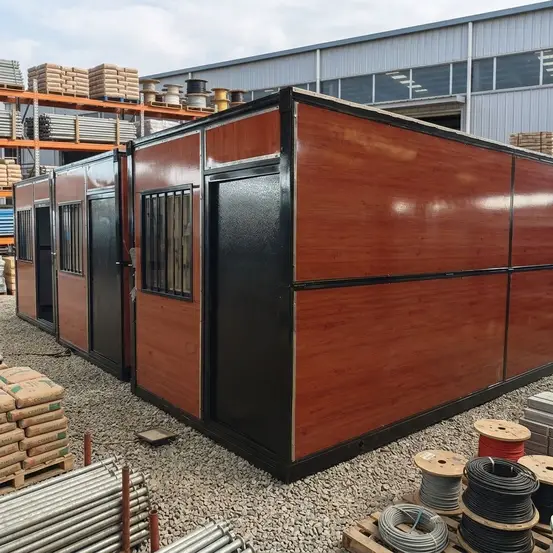
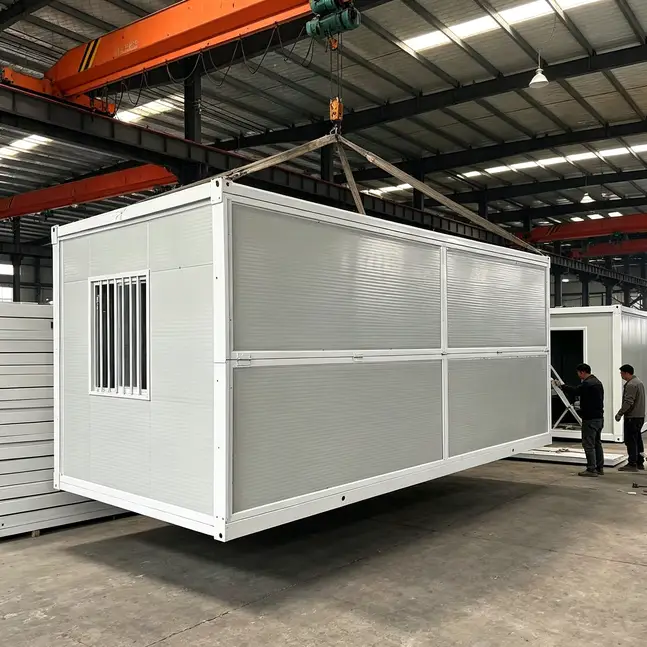
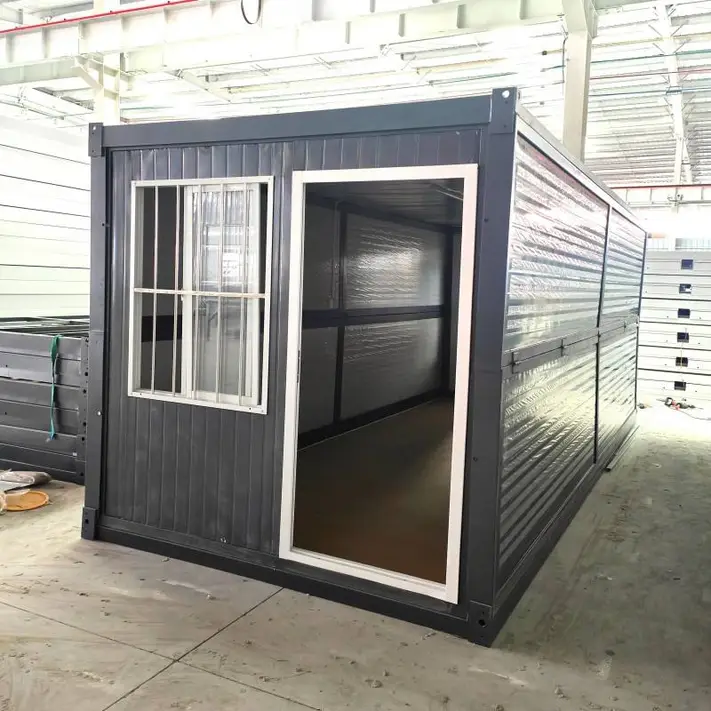
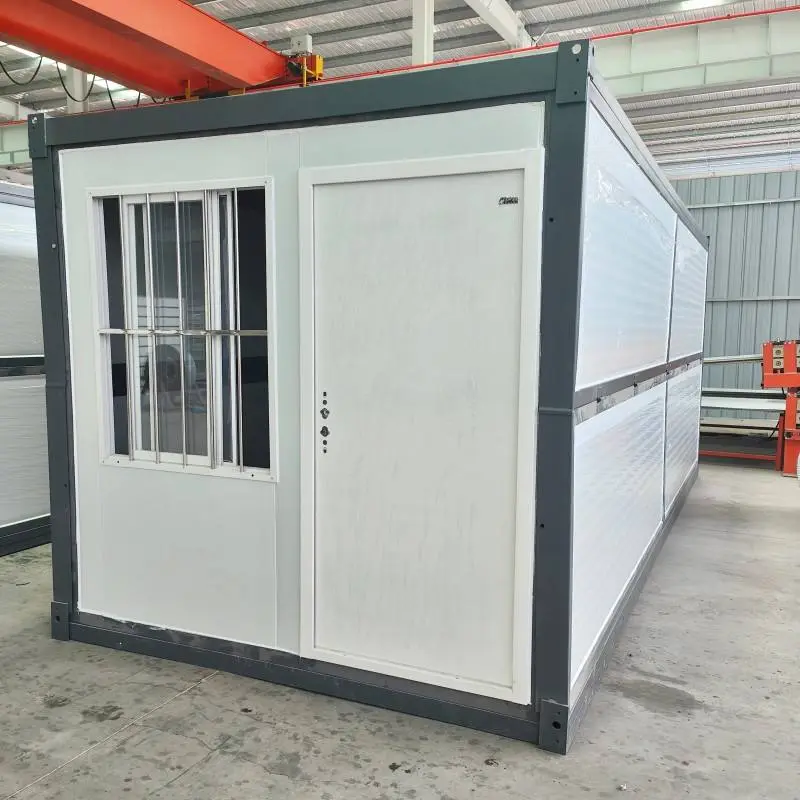
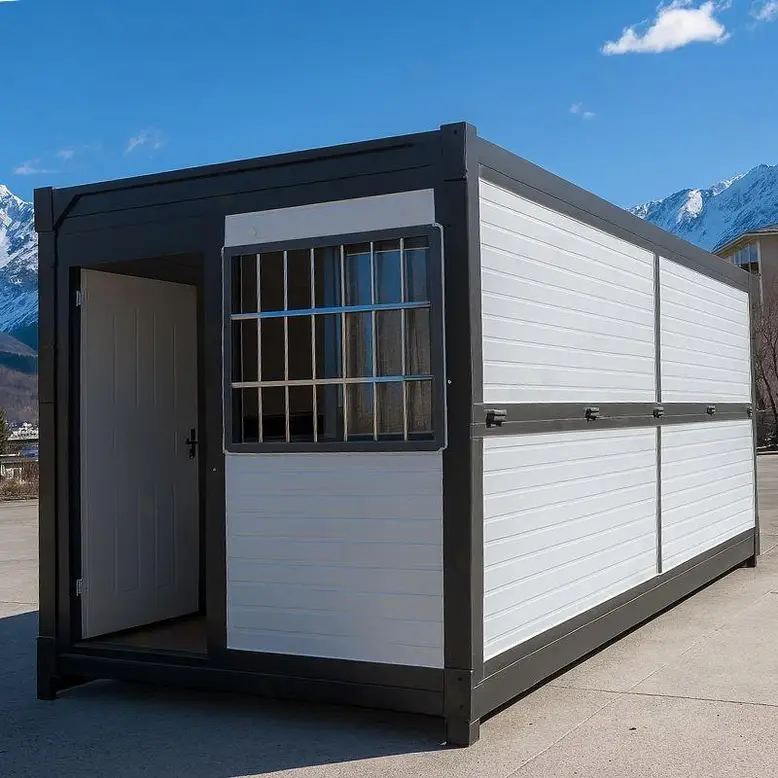
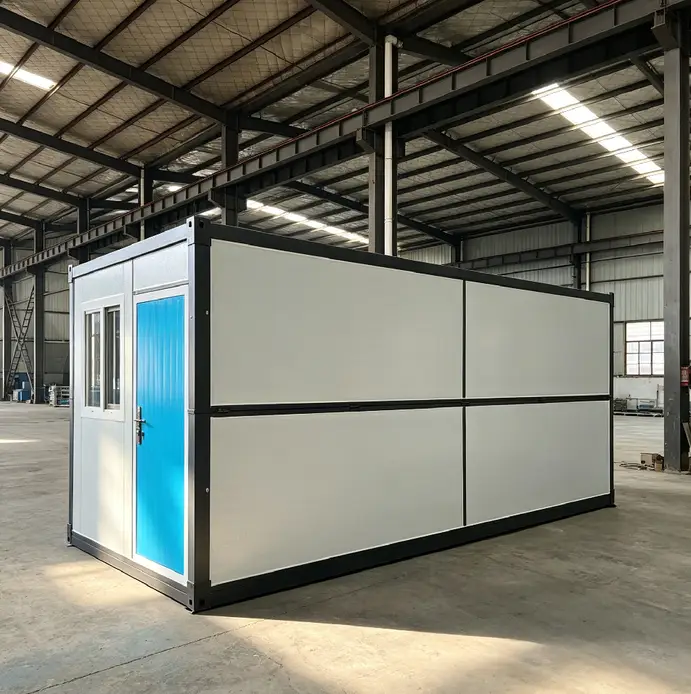
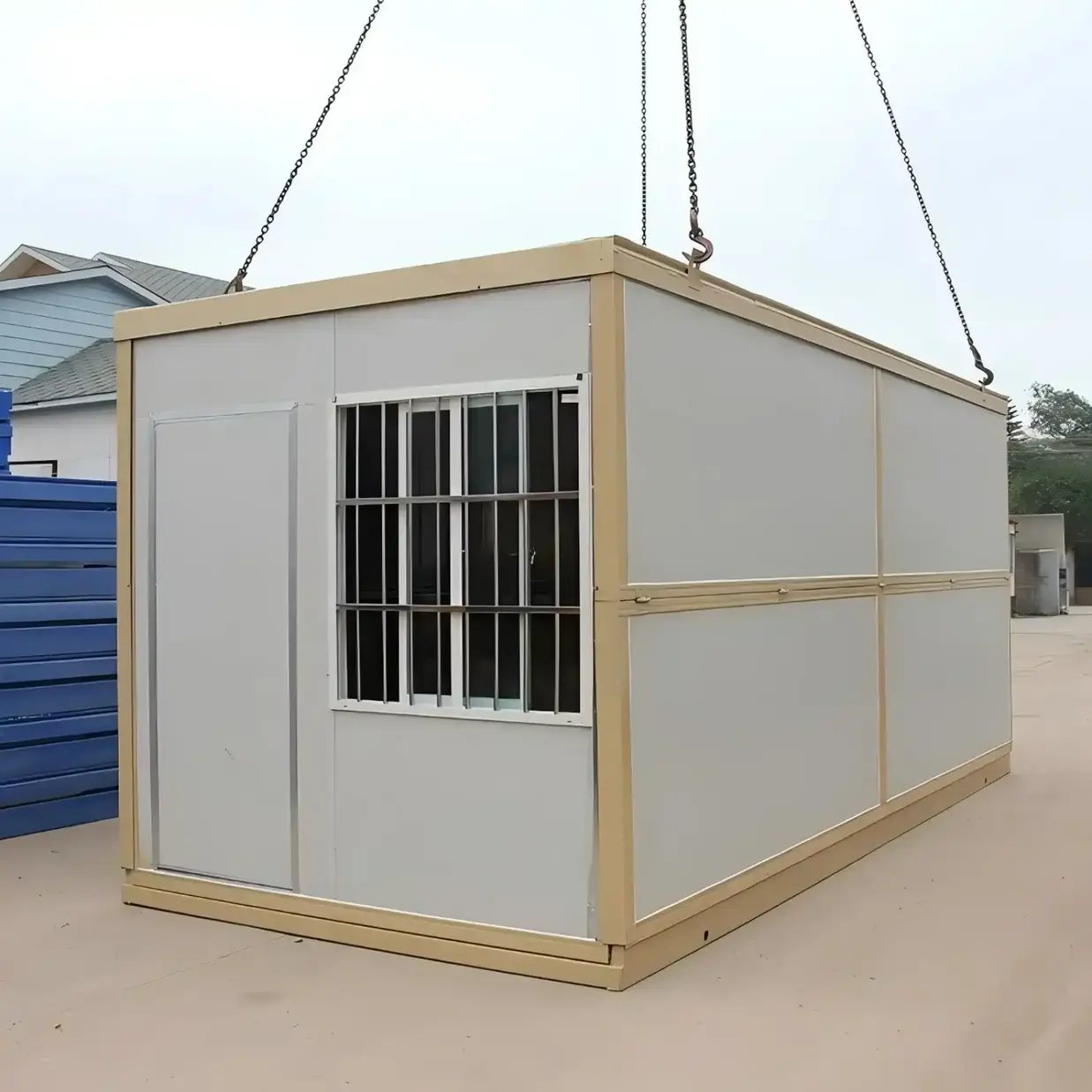
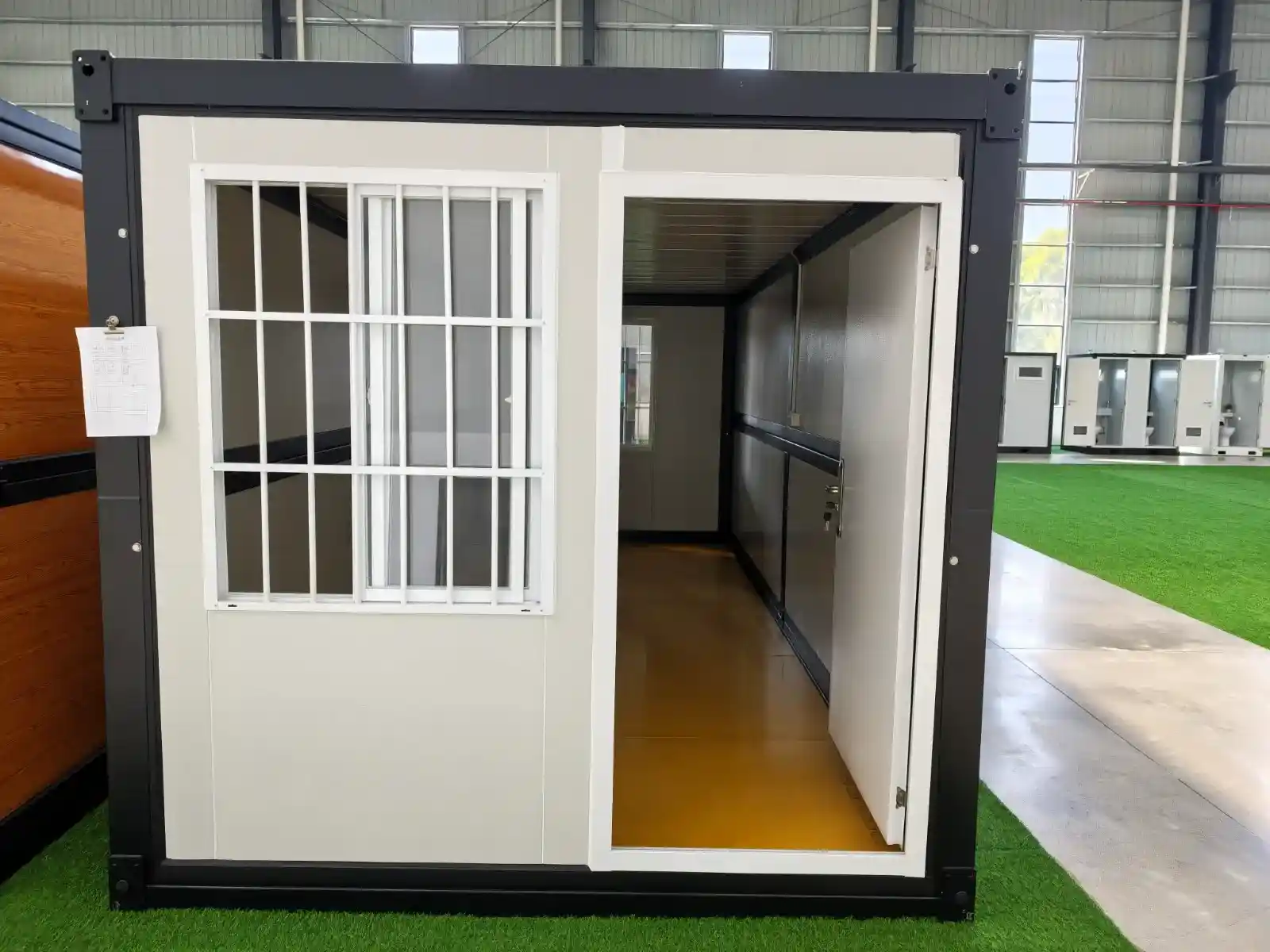
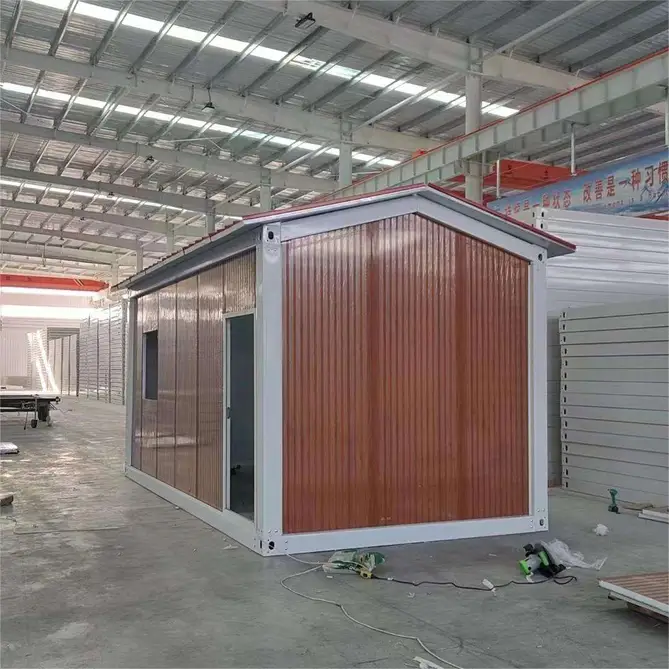
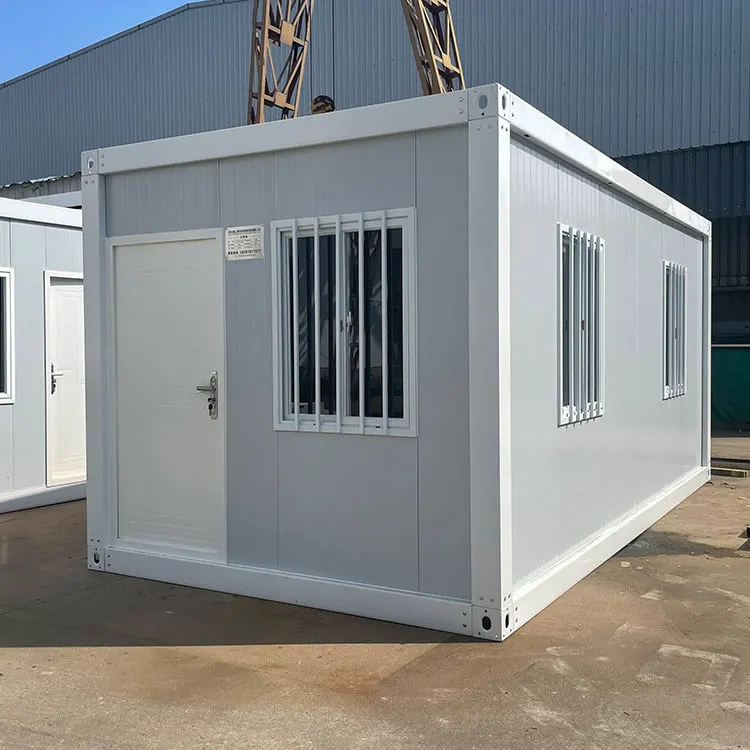
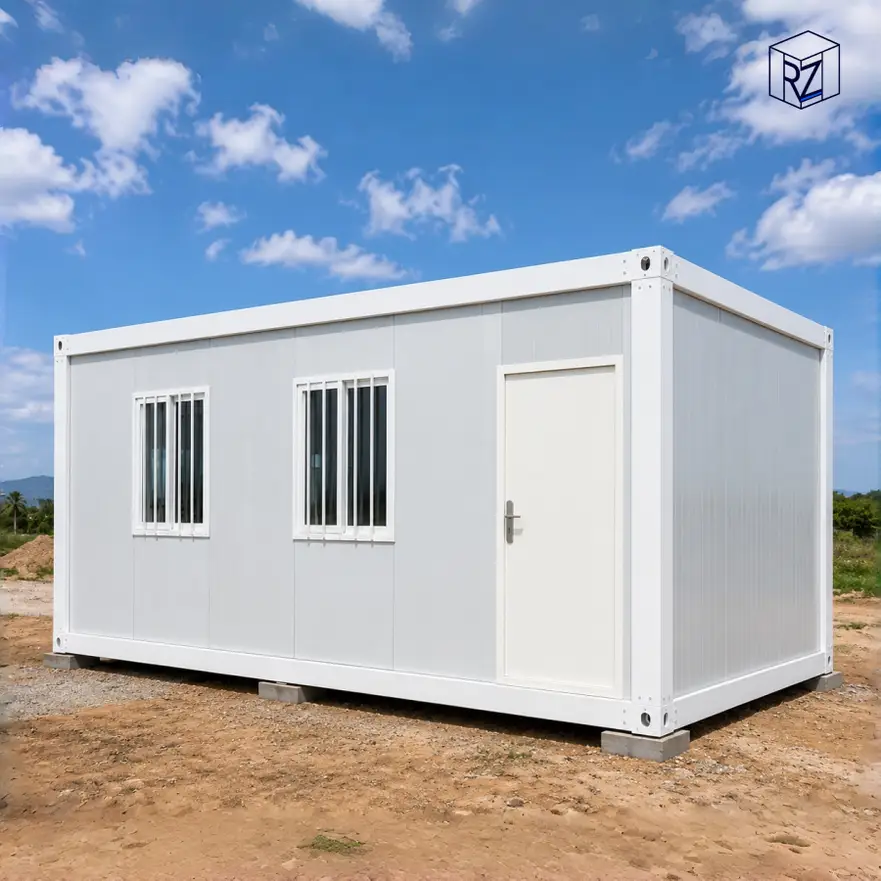
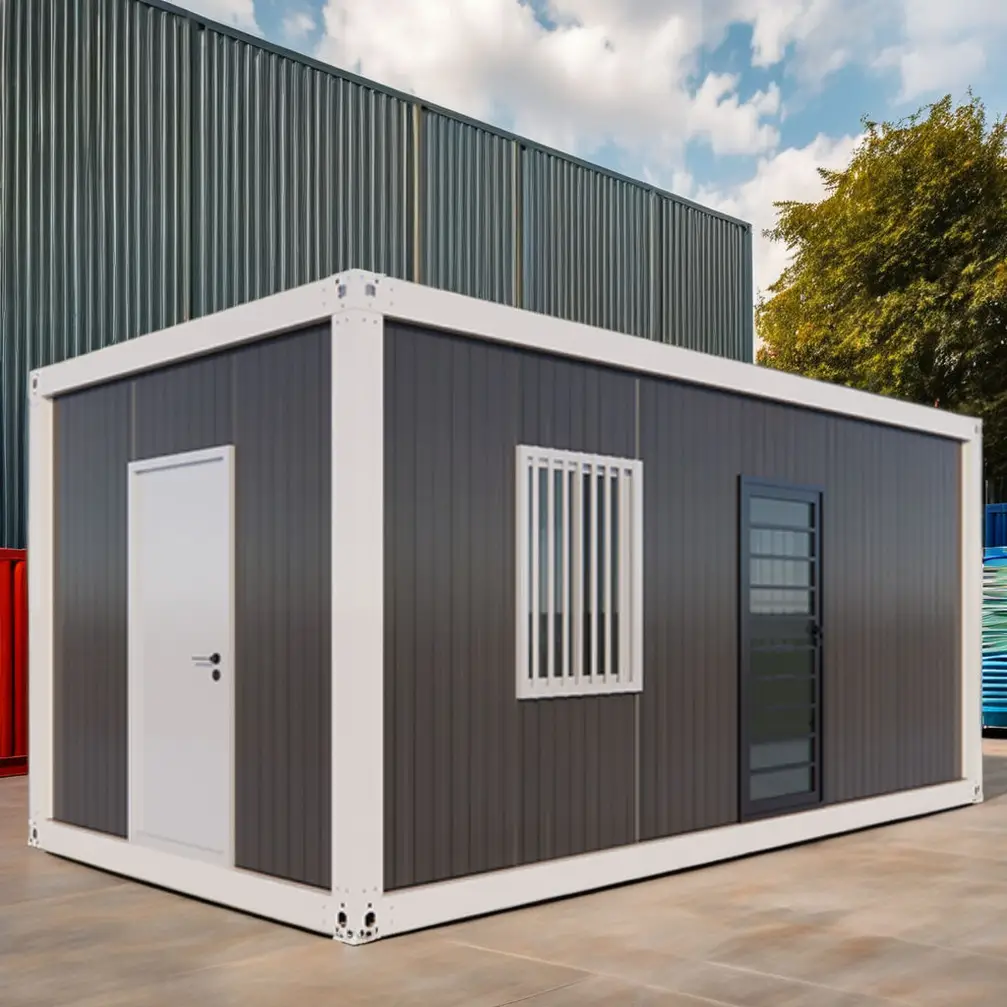
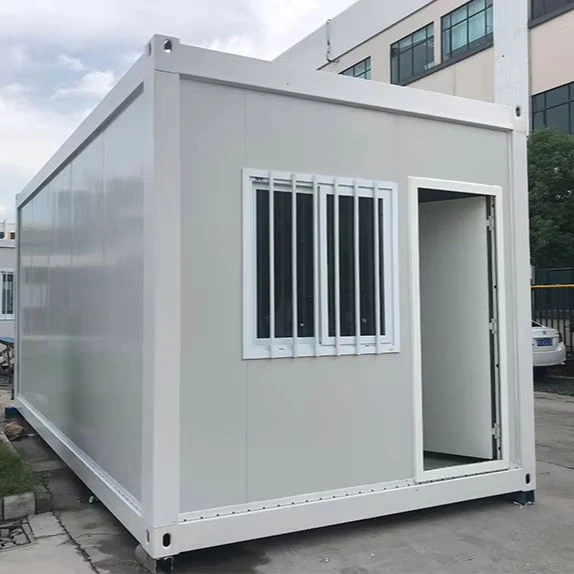
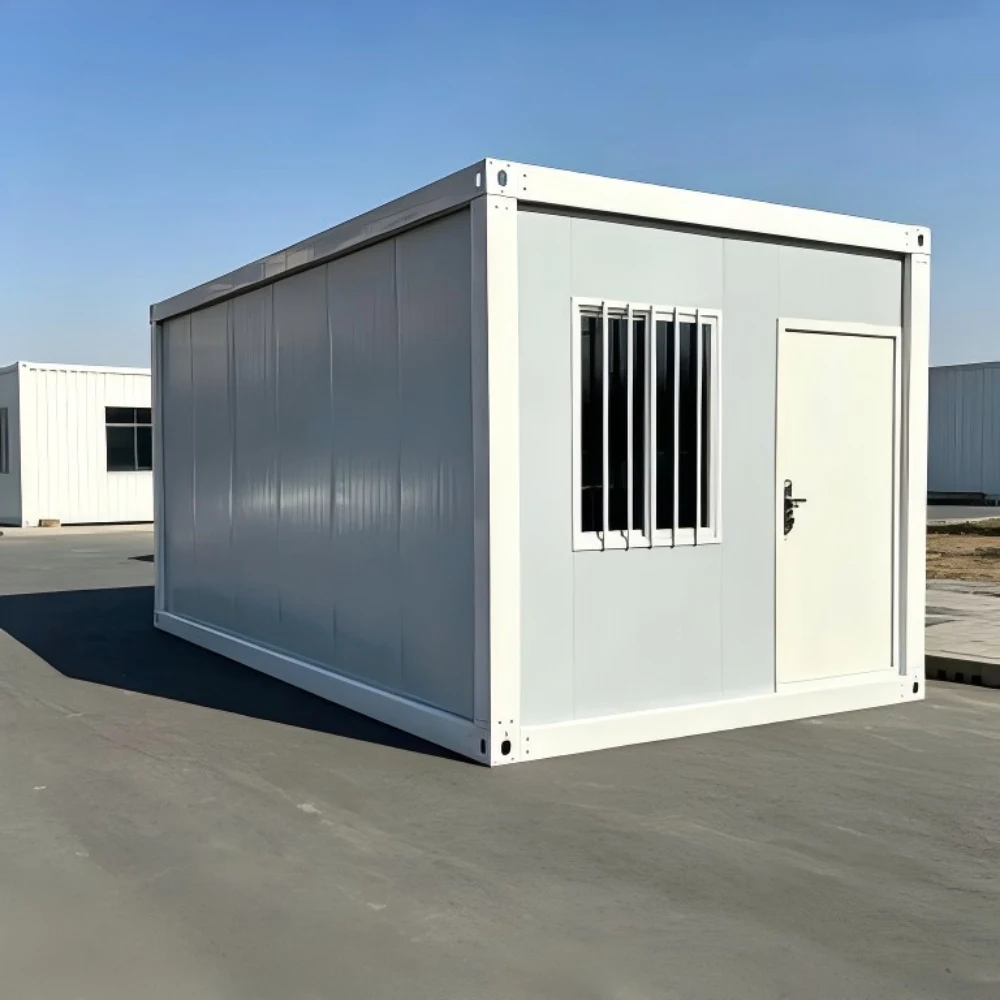
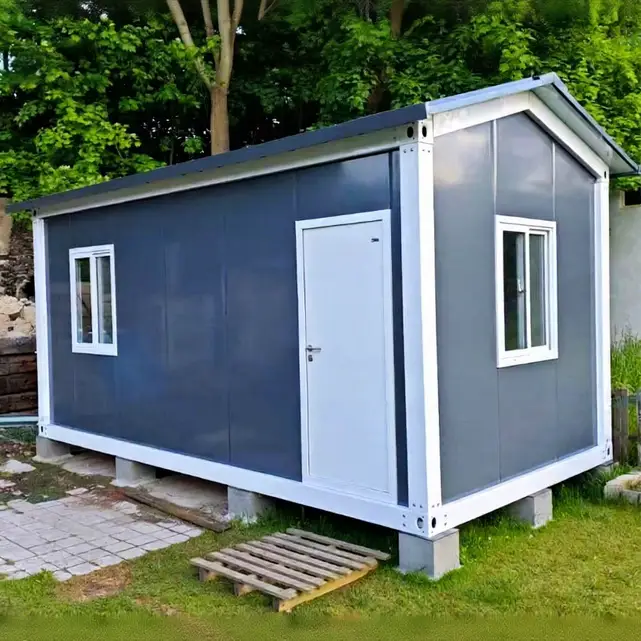
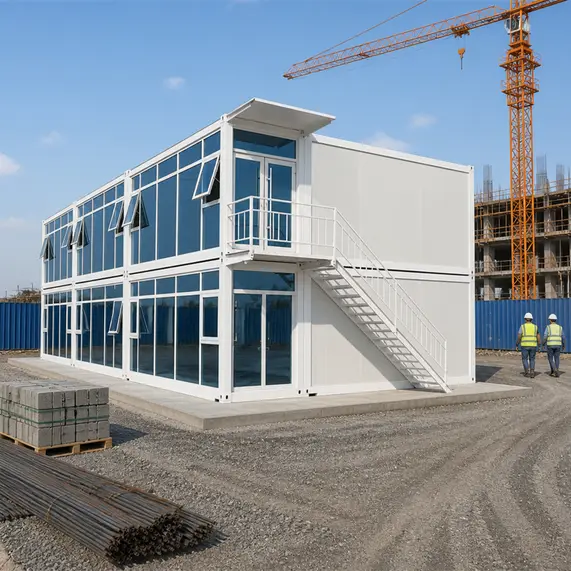
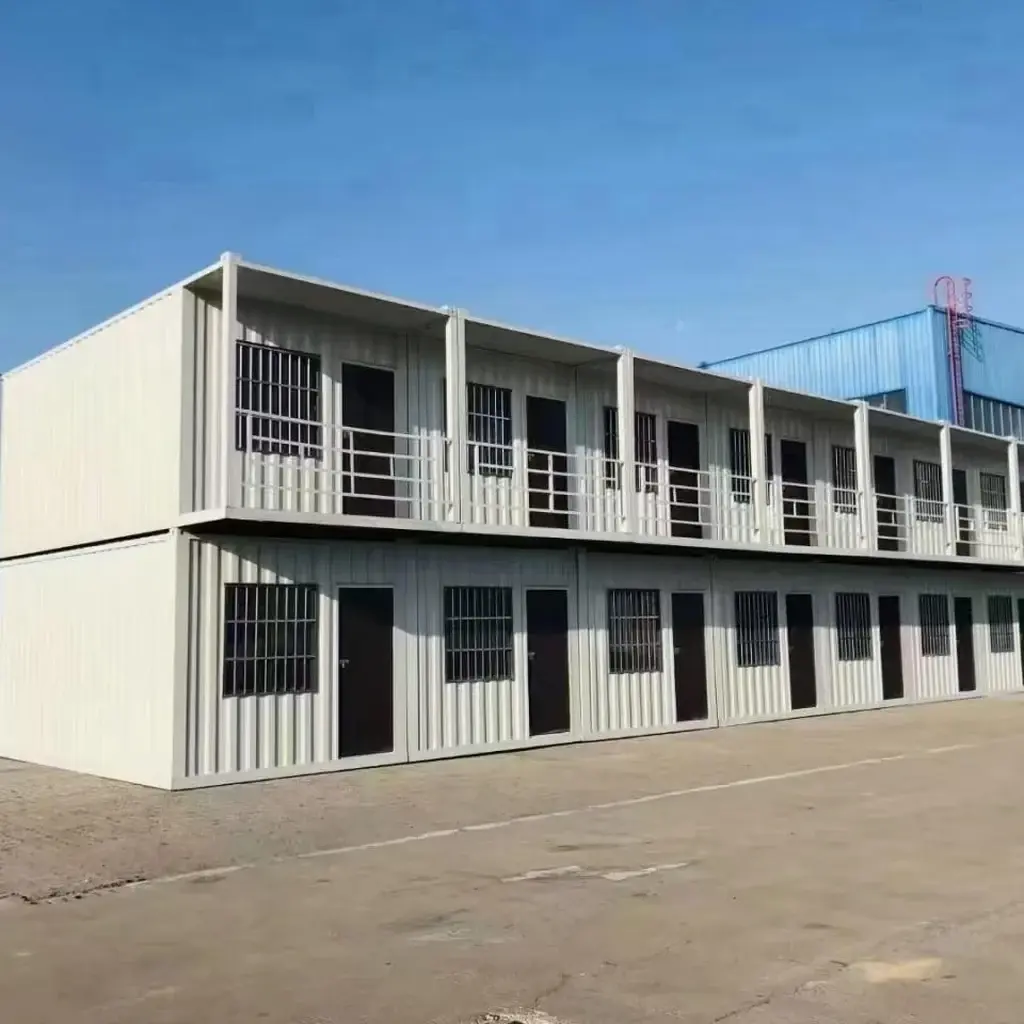
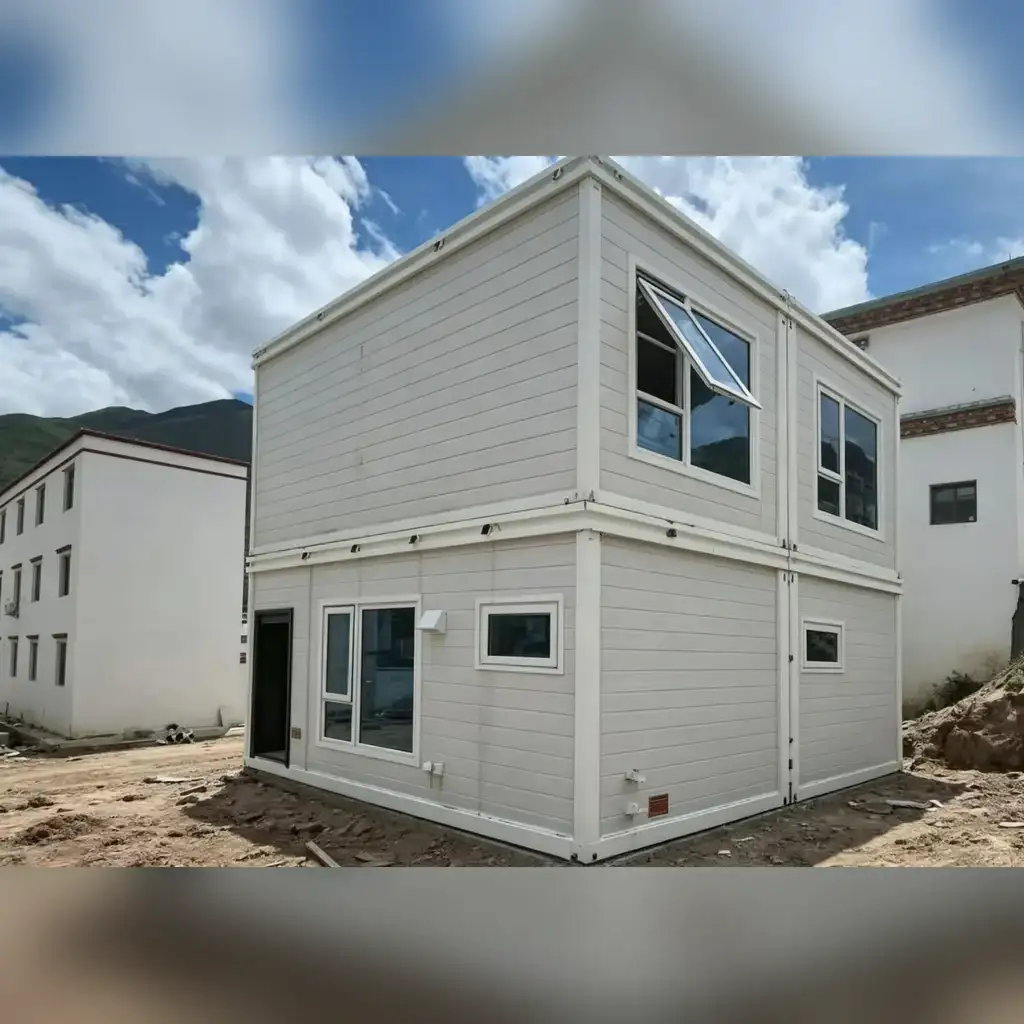
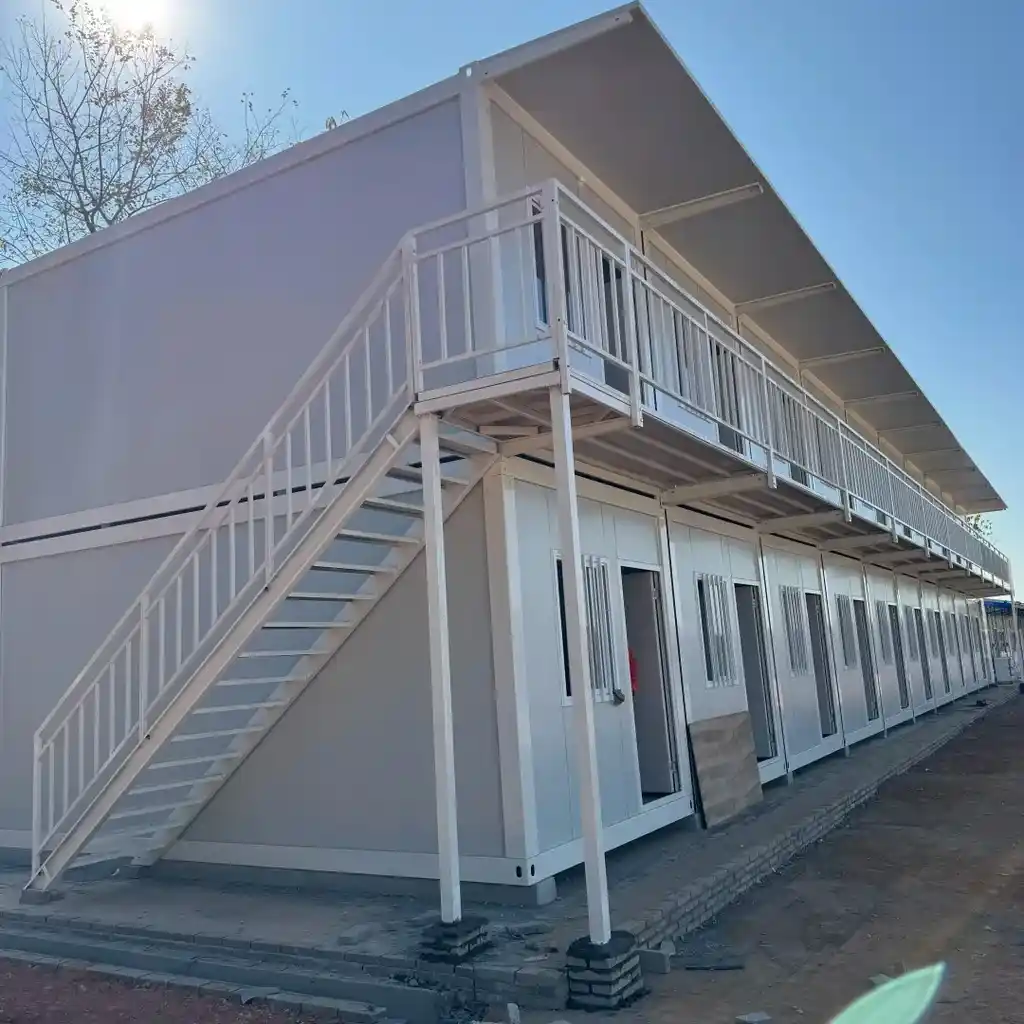
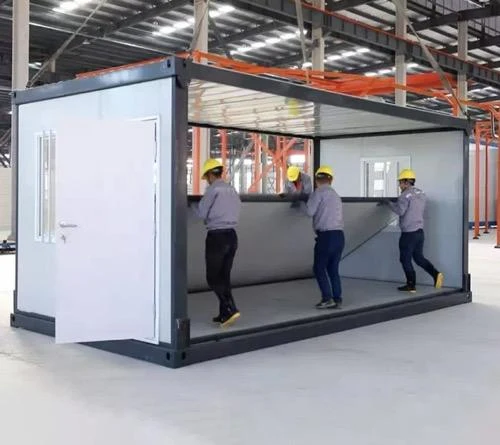
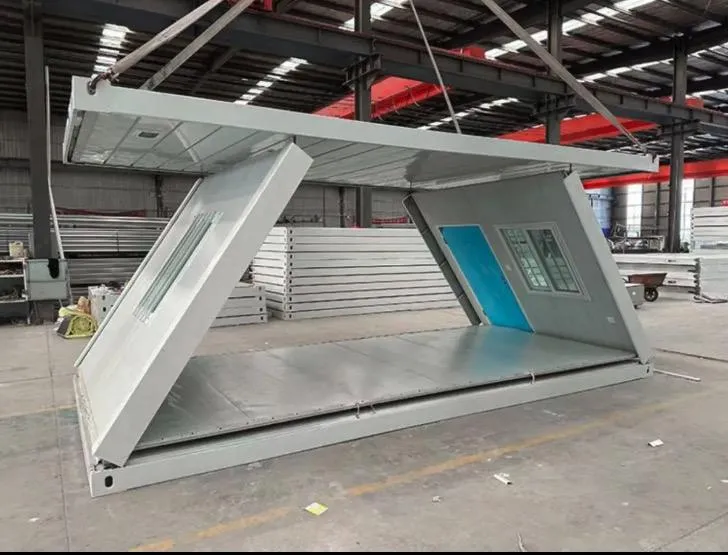
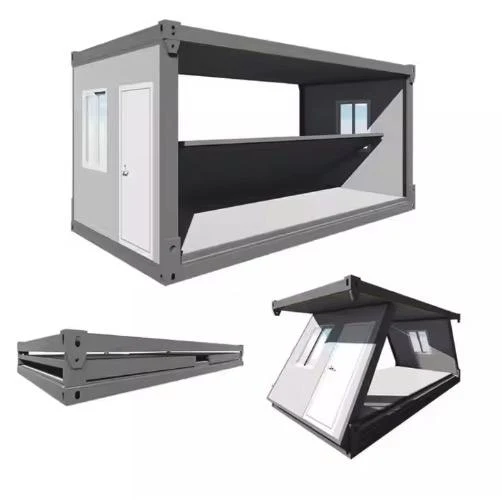
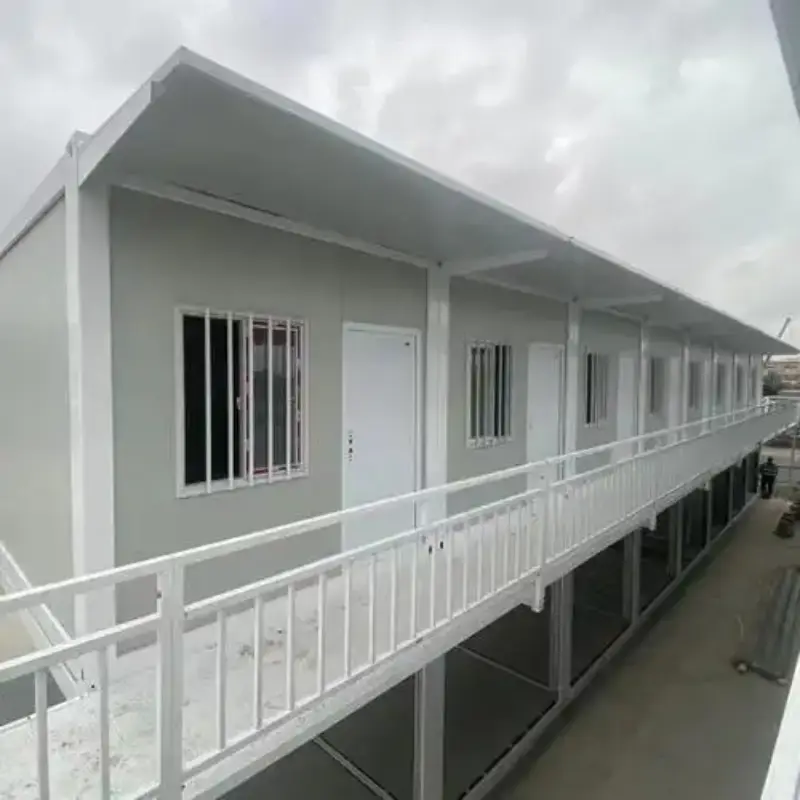
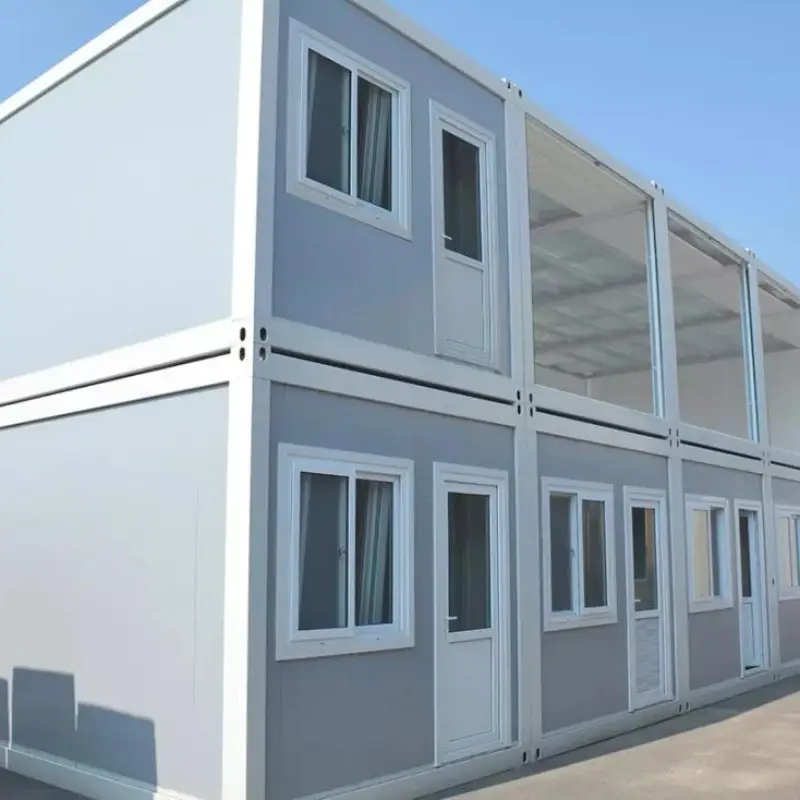
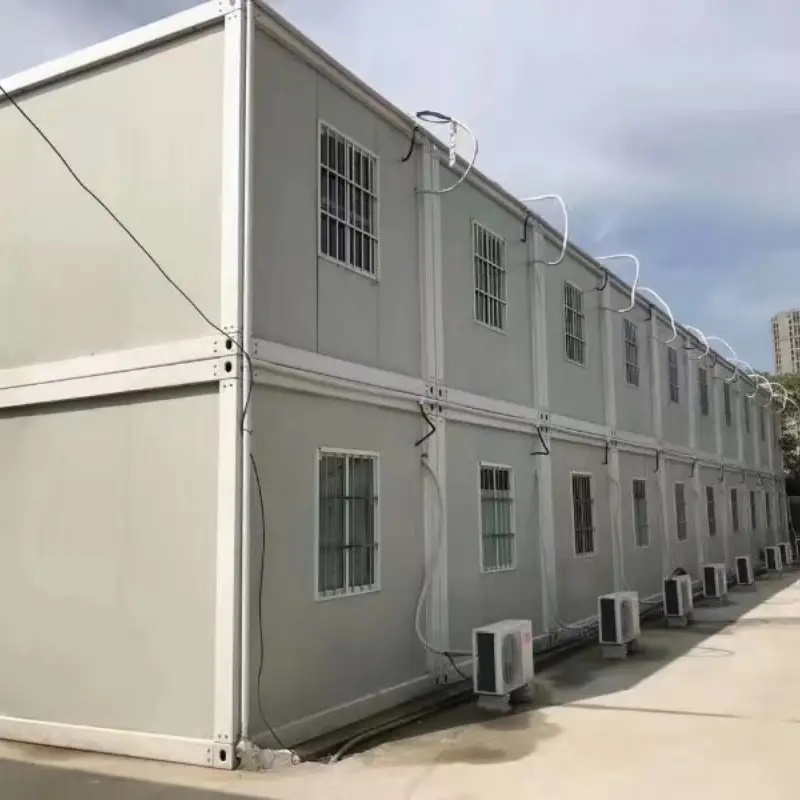
Casa container pieghevole, direttamente dalla fabbrica, tipo Z, acciaio zincato
Frame sections are galvanized to 80 to 100 g/m², welded, then repaired with a zinc-rich primer at every joint before the powder coat goes on. That repair step, more than the coating weight, decides whether a coastal unit lasts eight years or fifteen.
specifiche del prodotto
20 piedi
materiale
Acciaio zincato, acciaio inossidabile 304
materiale di riempimento
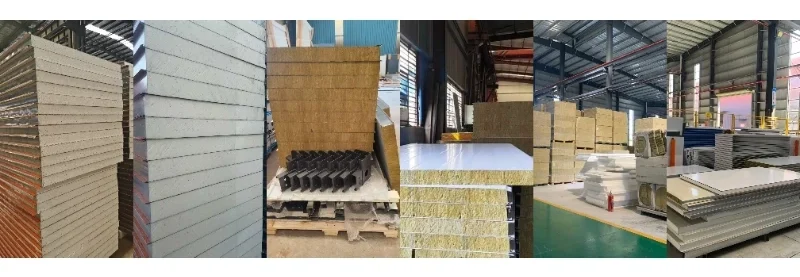
lana di roccia, EPS e poliuretano
Intervallo di temperatura di servizio
da -30 °C a +70 °C
Personalizzazione
pannelli a parete, pannelli per pavimenti, prese elettriche, mobili, ingressi dell'acqua, mobili da cucina, sanitari e così via
Ubicazione dello stabilimento
GUANGZHOU
Termini di spedizione supportati
EXW, FCA, FOB, CIF, DDP
Termini di pagamento
Bonifico bancario, lettera di credito, altre condizioni negoziabili
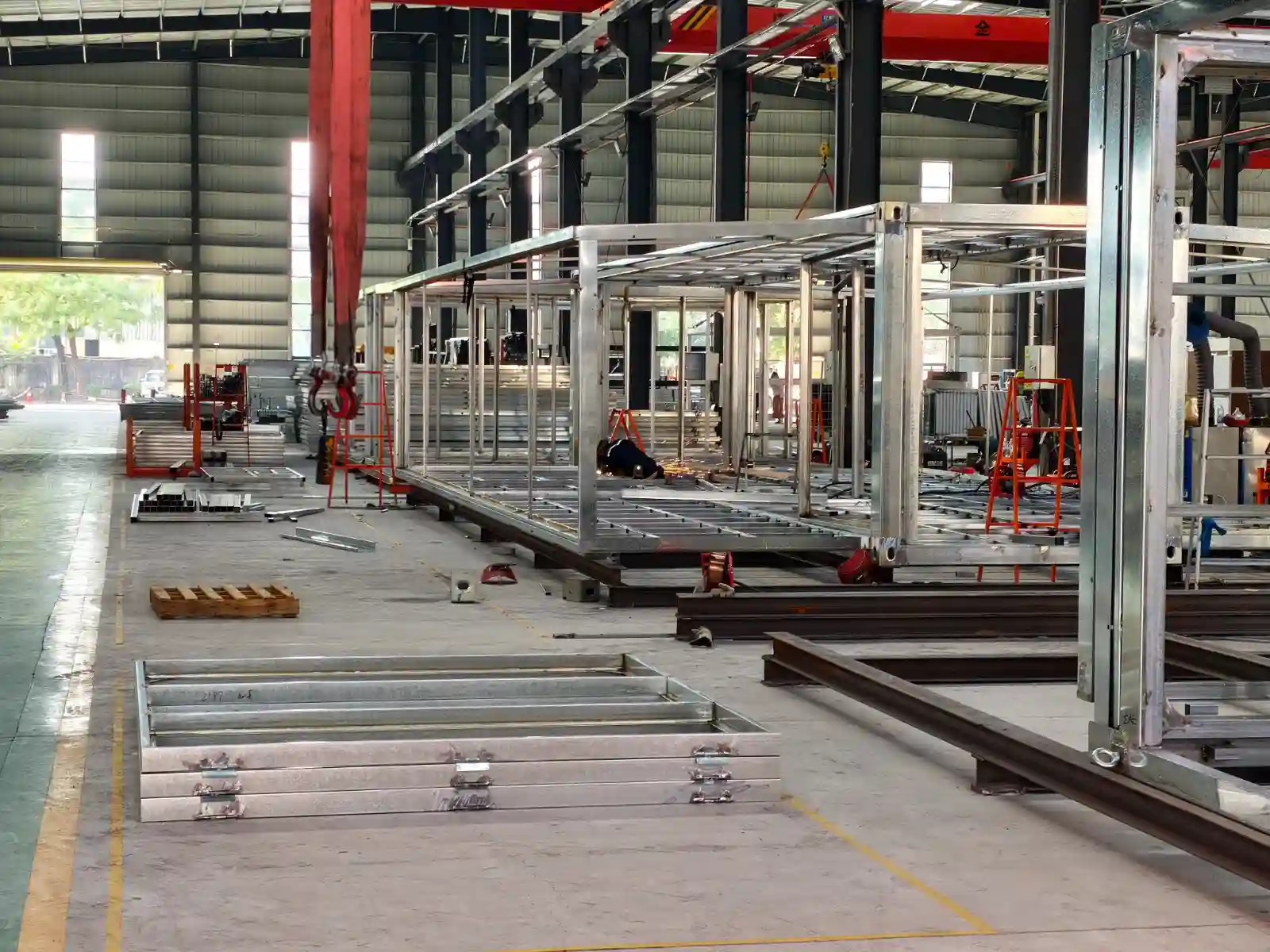
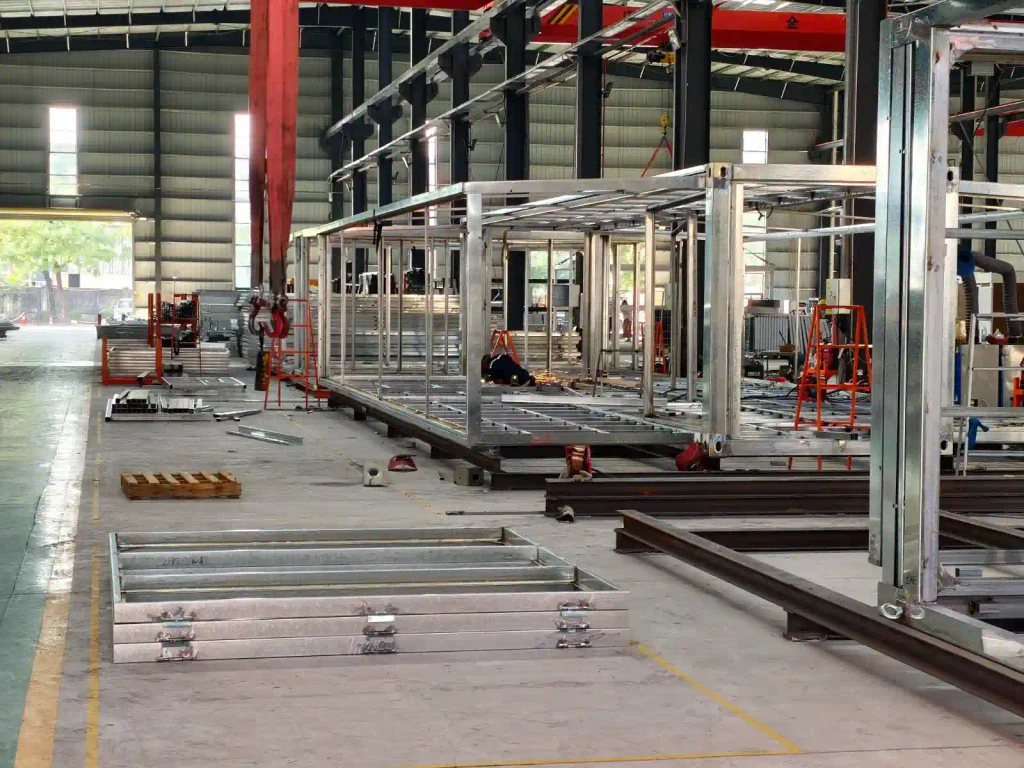
Folding posts of 1.5 mm tube carry the roof and take a fold at every move. Sill beams sit closest to ground water, so they get the heaviest zinc of any section on the frame. A 100 mm sill leaves room for the deck and the gasket. Along the hinge line, side wall frames flex each time the walls come down. Squaring happens in a jig before welding.
Frame sections · Folding post in 1.5 mm galvanized tube · Sill beam with the heaviest zinc coat · Top crossbeam under the roof sheet · Secondary beam inside the roof void · Bottom crossbeam under the floor deck
Build starts with zinc coated tube, not painted mild steel. Zinc goes on before fabrication, so the coat wraps the full section rather than resting on the outside face alone. Where parts face ground water the zinc runs heavier, and inside the roof void a lighter coat will do. Main members carry a 1.5 mm wall. Coating weight and steel gauge together decide how long a galvanized folding container house lasts.
Parte
Coating as we build it
Salt spray, hours
Why this part
Folding post
63 × 80 × 1.5 mm, 80 g/m² zinc
480
Carries the roof and folds twice a year
Trave di base
63 × 160 × 1.5 mm, 100 g/m² zinc
600
Sits closest to ground water at the sill
Top crossbeam
50 × 50 × 1.5 mm, 80 g/m²
480
Takes roof load with no water contact
Secondary beam
30 × 50 × 1.5 mm, 60 g/m²
360
Inside the roof void, dry all year
Main beam, upper
60 × 60 × 1.5 mm, 80 g/m²
480
Doors and windows hang off this line
Main beam, lower
63 × 80 × 1.5 mm, 100 g/m²
600
Splash zone at the floor edge
Telaio della parete laterale
63 × 80 × 1.5 mm, 80 g/m²
480
Hinge line that flexes on every fold
Trave trasversale inferiore
40 × 80 × 1.5 mm, 60 g/m²
360
Under the floor, sheltered from rain
Colonna
150 × 62 × 1.5 mm, 100 g/m²
600
Four corners in full weather
Fusione angolare
Cast steel, 195 × 100 × 15 mm
Primed, not dipped
Machined face that no coat can cover
Cerniera
304 stainless, 85 × 115 × 3 mm
1,000 plus
Wear part with salt exposure
Weld areas
Zinc-rich primer, 60 µm
n/a
The toe of every weld
Cut ends
Cold galvanizing spray
n/a
Every tube end on the frame
Powder coat
Electrostatic, 60 to 80 µm
500
Colour plus a second barrier
Fasteners
304 stainless throughout
1,000 plus
Mixed metals set up a battery
Lamiera di copertura
0.45 mm, 100 g/m² zinc
600
Full sun and rain on the top
Installation video
Roof Grid, Castings and Stainless Fasteners
Top crossbeams and secondary beams form a grid over the roof. Secondary members sit inside the void where no water can reach them, so their coat runs lighter than the rest. A 0.45 mm roof sheet spans that grid and sheds water to the gutter. Purlins stop the sheet drumming in wind. Welded as one unit, the grid lifts onto the walls.
Roof build · Top crossbeam at each panel joint · Secondary beam across the void · 0.45 mm profiled roof sheet · Ridge cap with a sealed lap · Gutter and downpipe at the low side
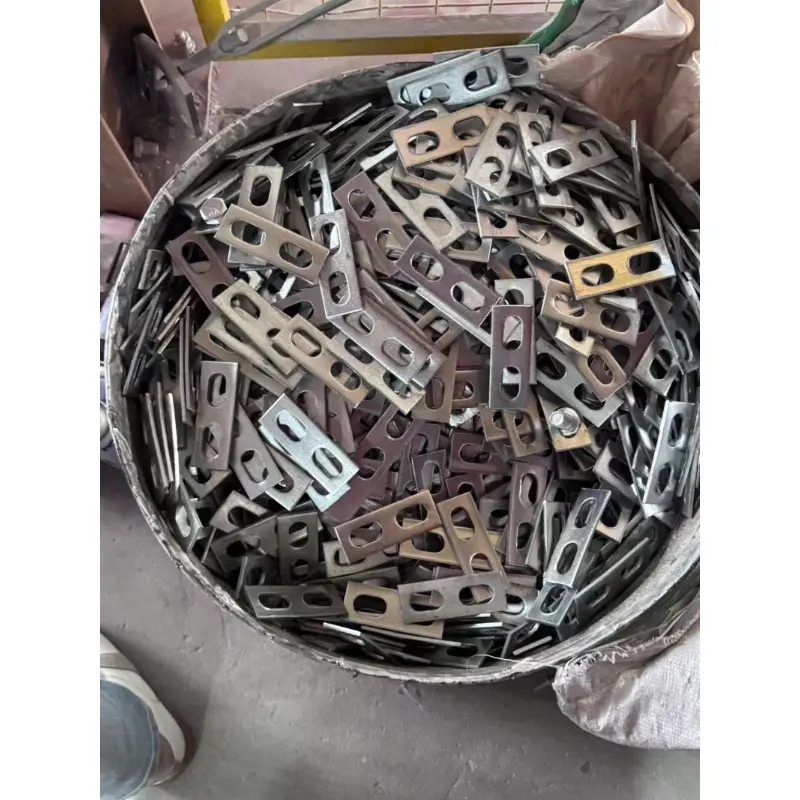
Cast steel corner blocks carry a machined face that no coat can cover. Hinges run stainless because they wear against the pin at every fold, and the fasteners take the same grade. Salt air turns mixed metals into a battery. A 3 mm leaf takes the pin without ovalising it. Through the paint line the galvanized folding container house keeps its castings masked, so the machined face stays bare.
Corner and hinge parts · Cast steel corner block, machined face · Stainless hinge leaf and pin · Stainless bolts through the post · Zinc washer under each bolt head · Sealant bead behind the casting
Weld Seams, Primers and Cut Ends
Each weld seam gets wire brushed, then a coat of zinc rich primer laid on by hand. The primer reaches the toe of every weld, where rust starts first. Cut ends take cold galvanizing before assembly. Overlap onto clean steel runs 20 mm. That closes the edge. Checks follow each step, and the frame reaches the paint line only when they pass.
Surface preparation · Wire brush on every weld seam · Zinc rich primer at the weld toe · Cold galvanizing spray on cut ends · Primer overlap onto clean steel · Wipe down before powder coating Overlap onto clean steel runs 20 mm, and that closes the edge where water would otherwise start rust. Only when the primer and the cut ends all pass does the frame move on to the paint line.
Powder Coat Over the Galvanized Layer
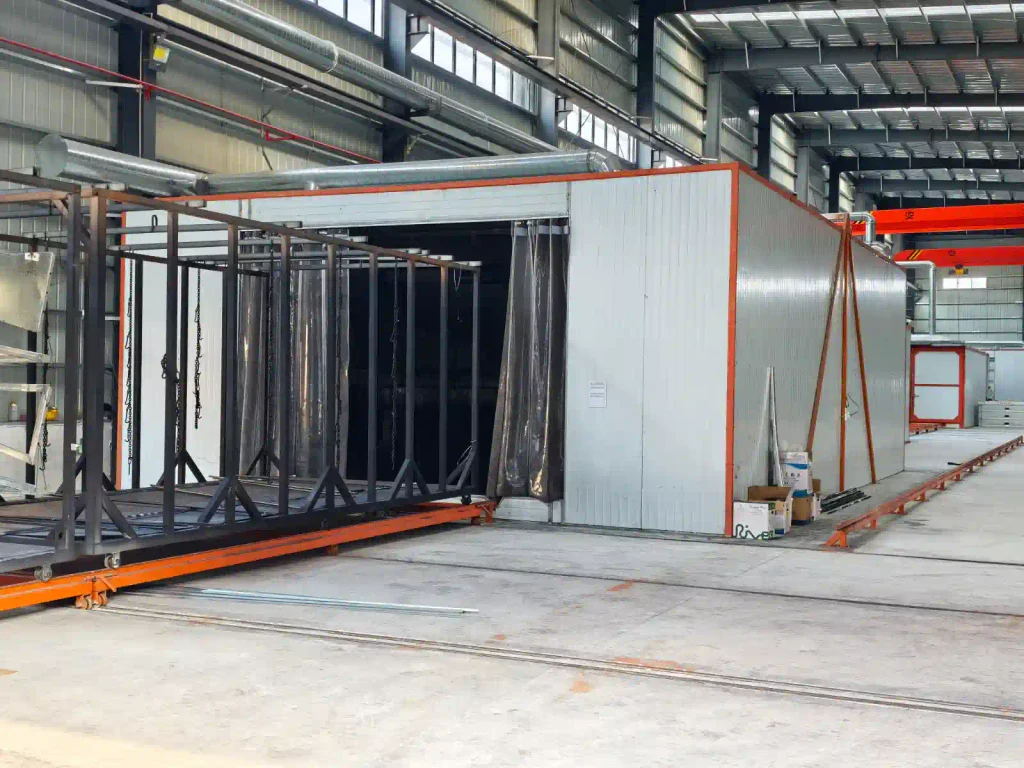
Powder goes on electrostatically over the zinc layer of a galvanized folding container house, then cures in an oven at the set profile. Colour comes with it, plus a barrier against moisture. At each casting face, a 100 mm band stays masked and bare. Thickness is checked on one sample per batch. Any scratch reaching the zinc is touched up before packing.
Coating stages · Degrease and rinse before coating · Electrostatic powder over the zinc · Oven cure at the set profile · Masked faces on the castings · Touch up pen in the RAL colour
Wall Panels, Ceiling and Door Hardware
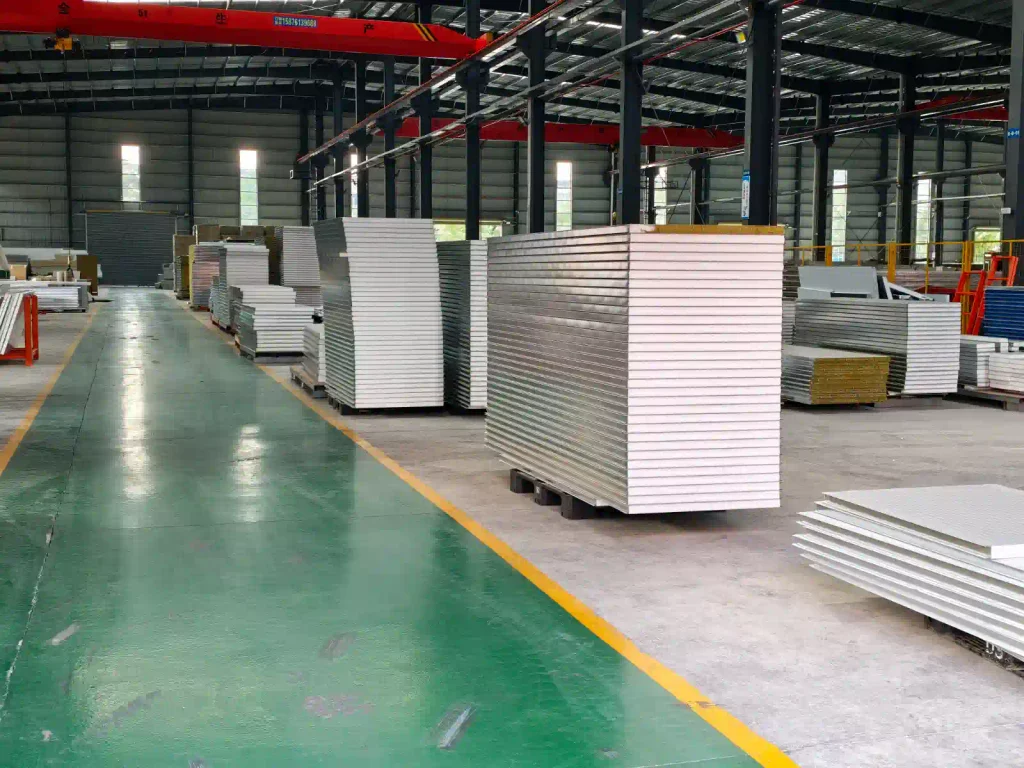
Walls and roof of a z type folding container house take insulated sandwich panels, with a steel skin bonded to both faces. Underfoot, 15 mm board lies over galvanized joists, and a wear layer covers the deck. At each corner a 150 mm column carries the roof load down into the casting, so the panels never take that weight. Stainless screws and a gasket at the joint hold each panel. Ceiling boards hide the wiring.
Wall and floor parts · Insulated panel with a steel skin · Stainless screw at each fixing · 15 mm floor deck on joists · Wear layer over the deck · Ceiling board with a service hatch
Before the pack closes, the steel door leaf is hung and checked. Sliding sashes carry fly screens. Every drain slot faces outward, and behind a service panel the washroom option puts a shower tray, a WC and a basin. Openings are framed before the panel is cut, so the edge stays sealed. Hardware is stainless to match the frame.
Door and window parts · Steel door leaf with a lock bar · Aluminium sliding sash and track · Fly screen on each opening · Drain slot at the sash base · Stainless screws on all trims
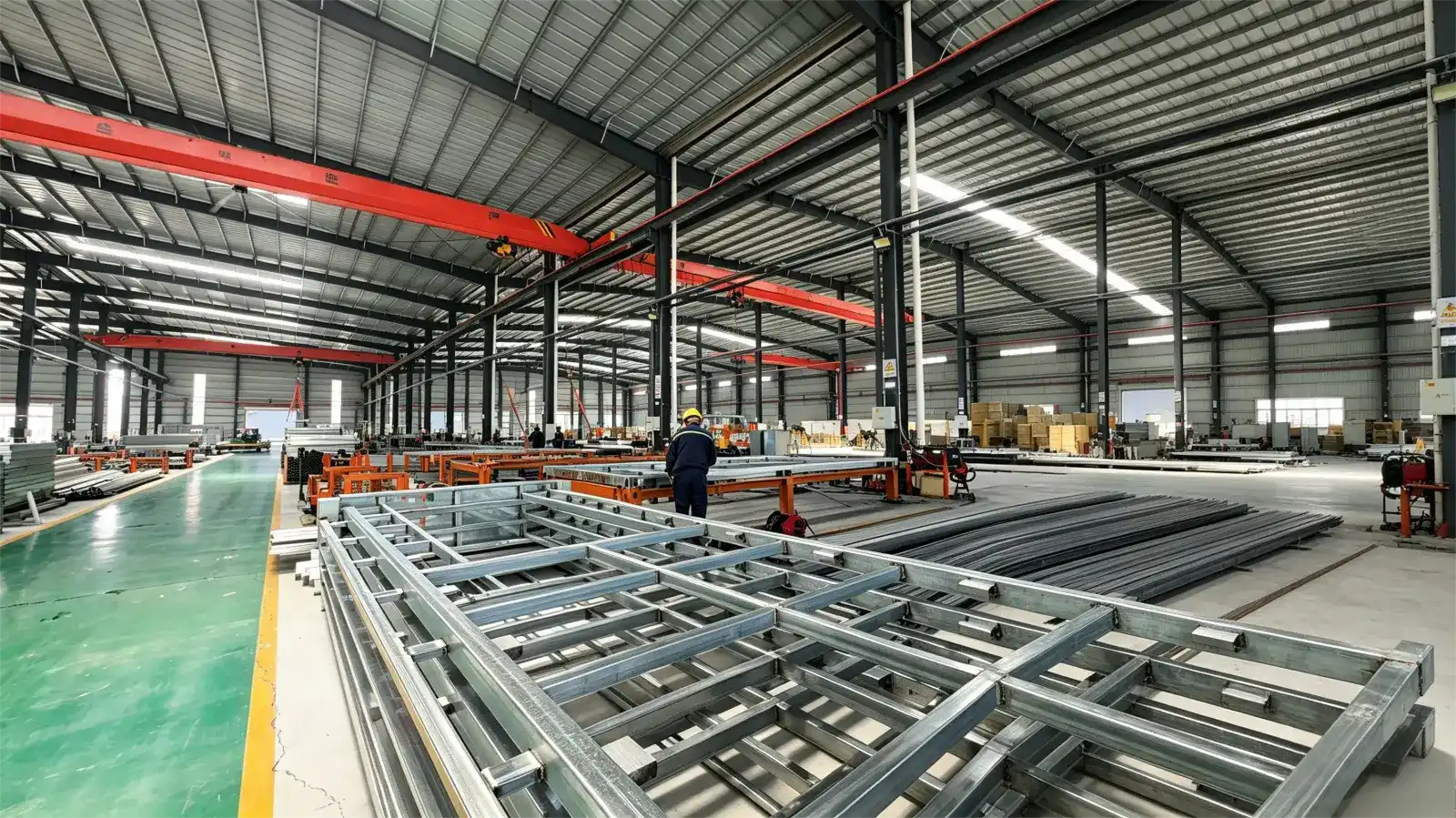
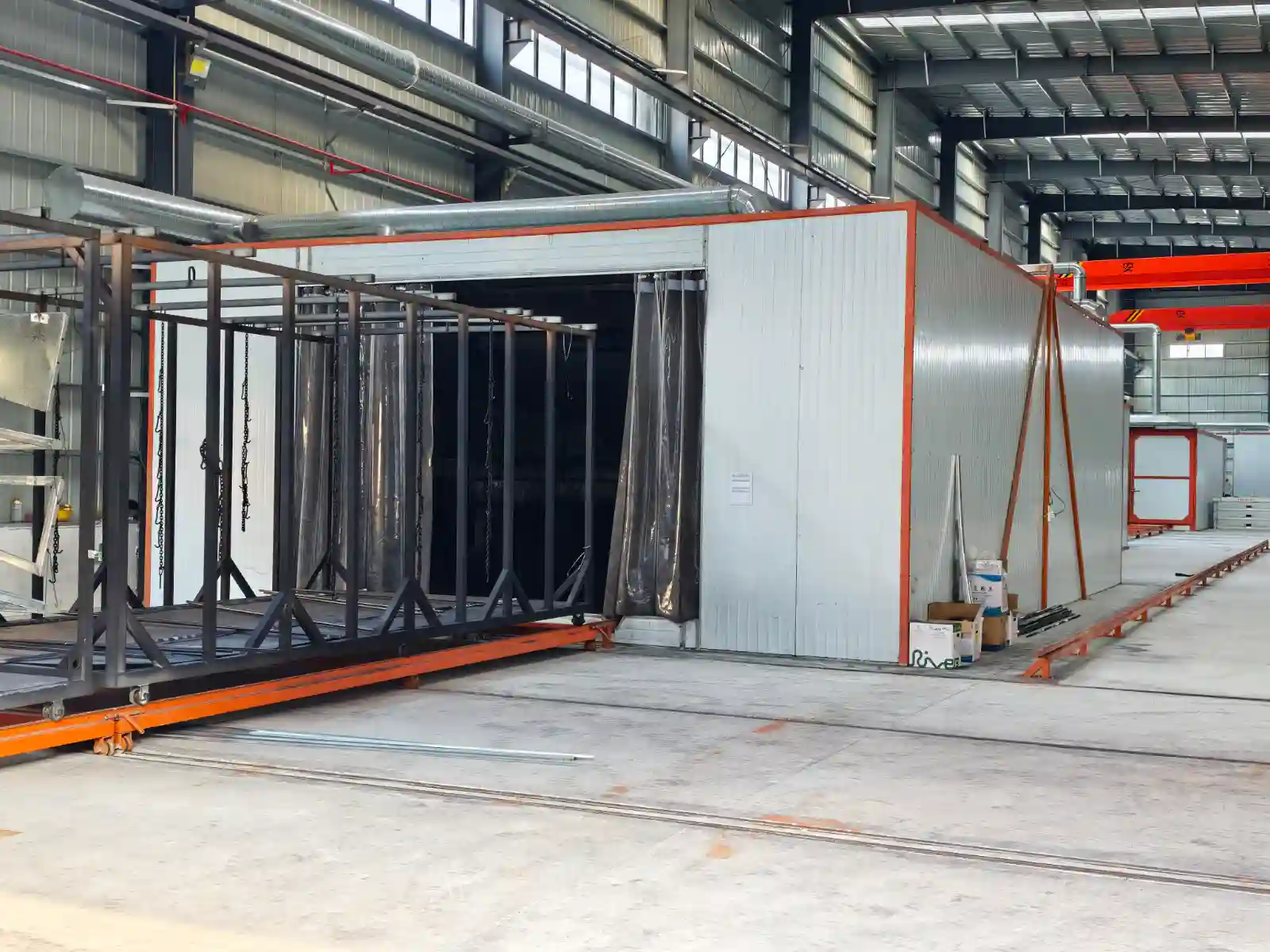
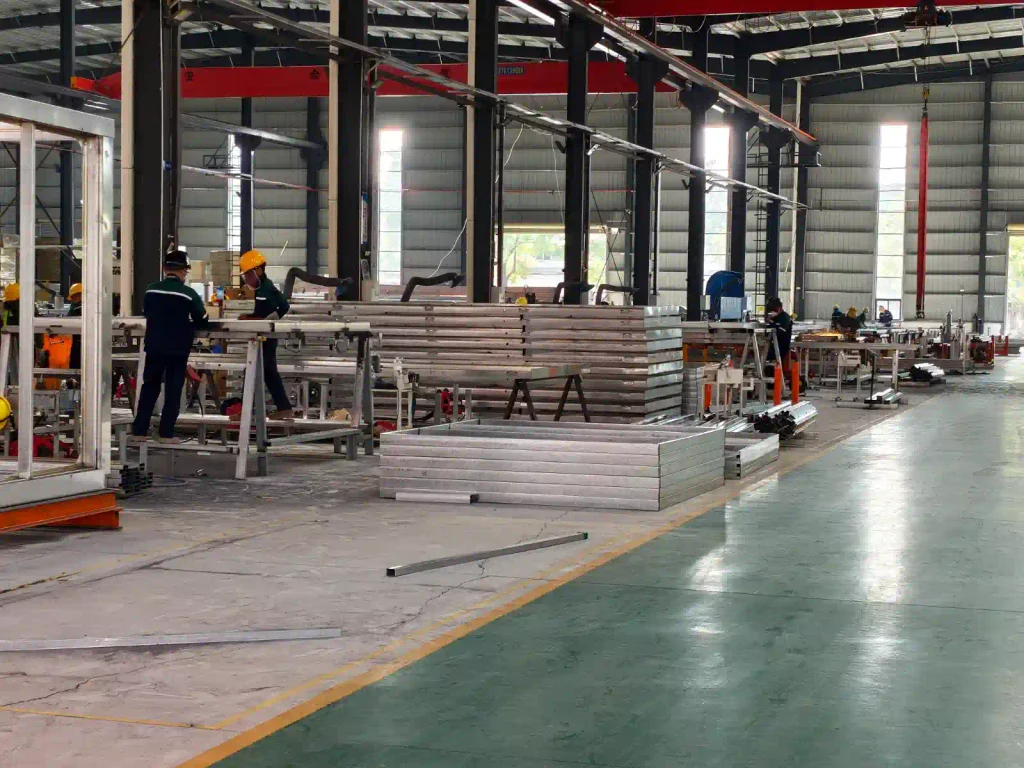
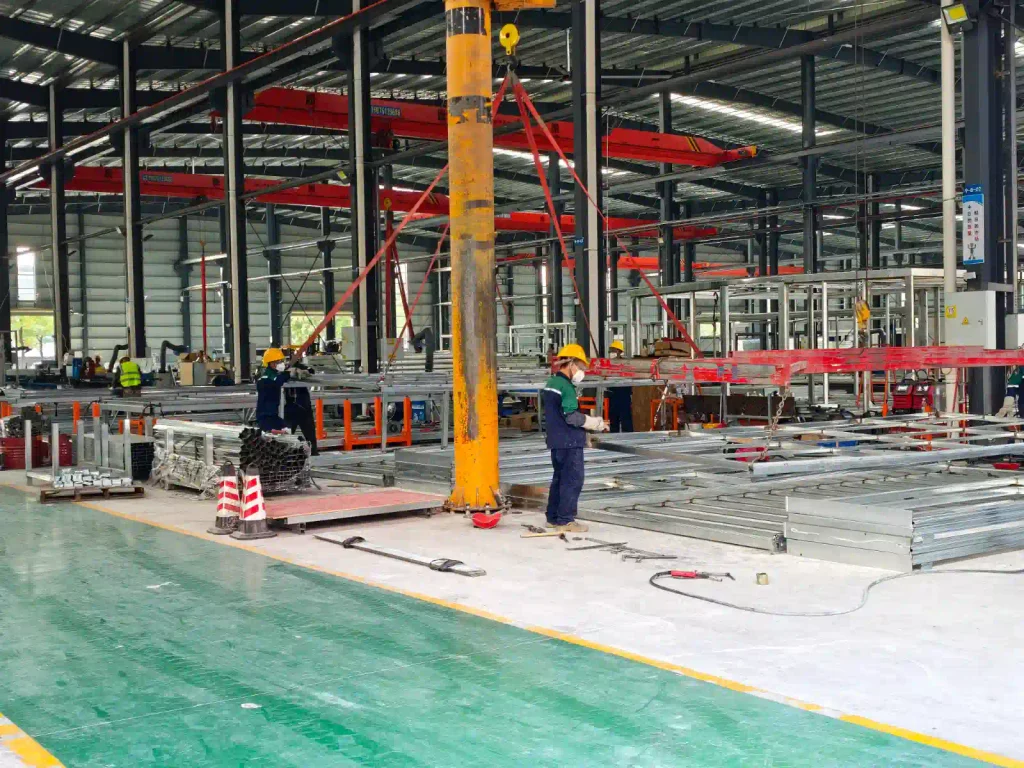
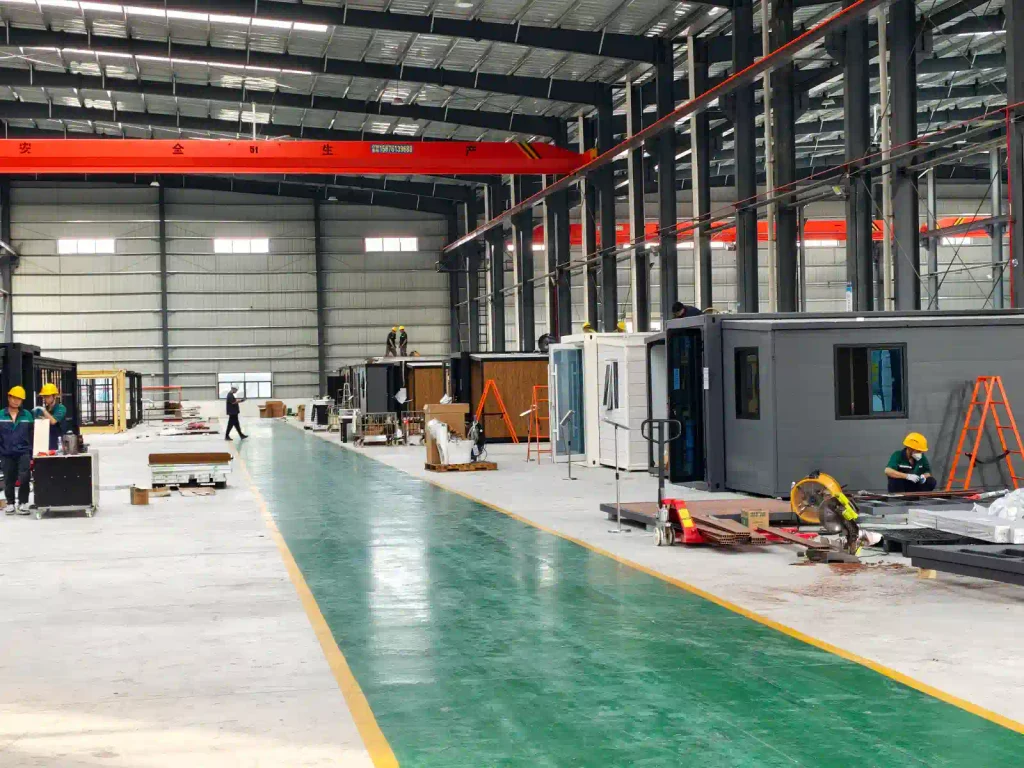
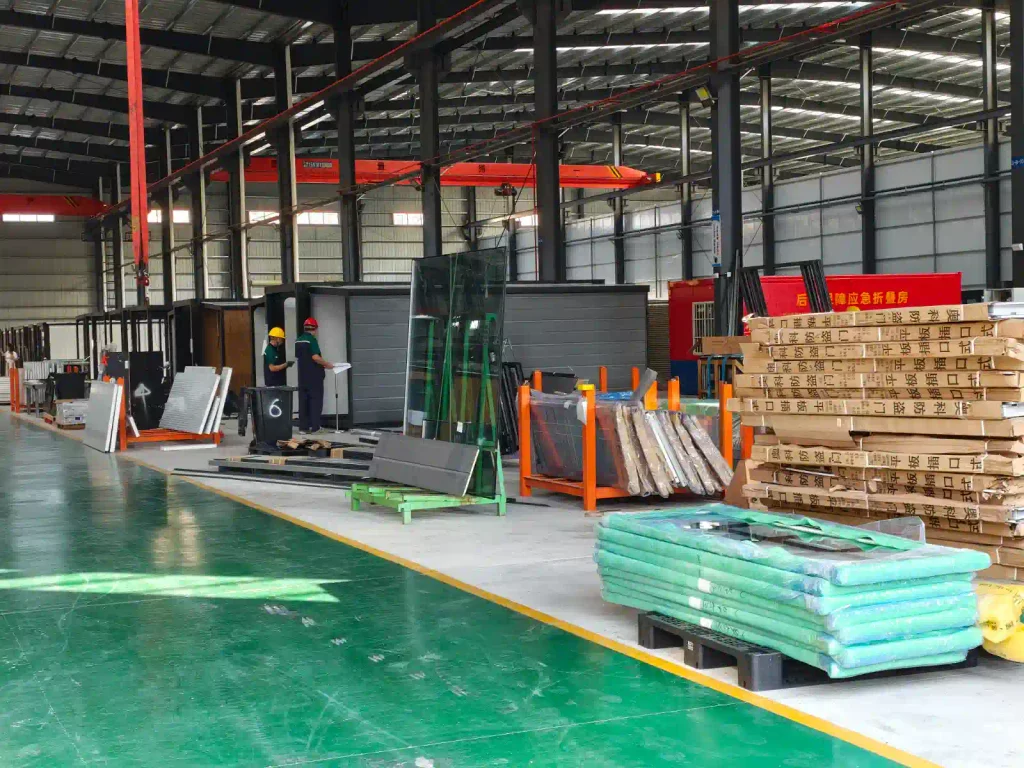
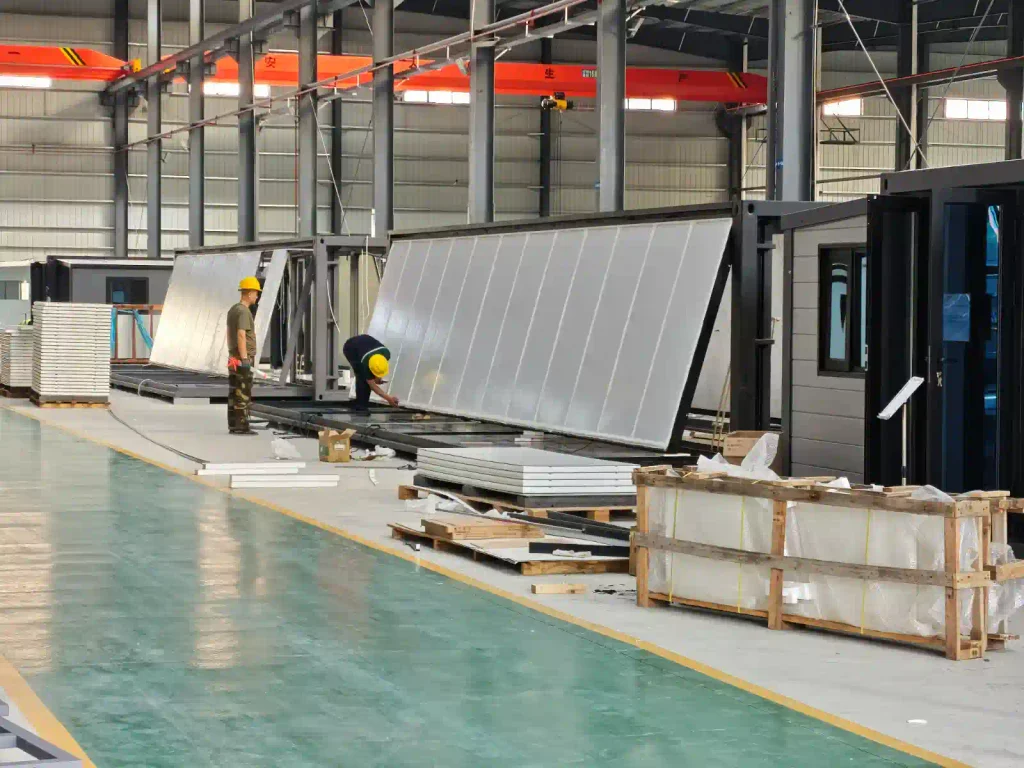
Flusso di produzione dell'officina
Fase 1: Taglio del telaio principaleFase 2: Assemblaggio del telaioFase 3: Saldatura del telaioFase 4: Rivestimento antiruggine per telaio mediante cotturaFase 5: Taglio del pannelloFase 6: Installazione del telaio e del pannelloFase 7: Installazione di porte e finestreFase 8: Sigillatura con sigillanteFase 9: Magazzino dei prodotti finiti
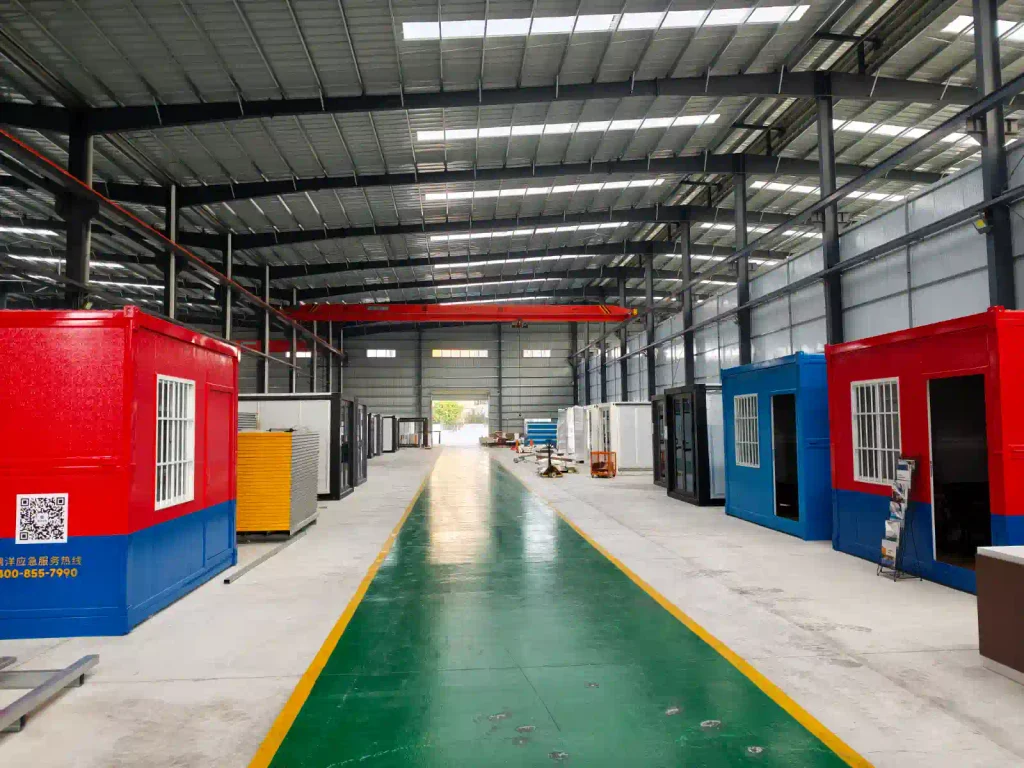
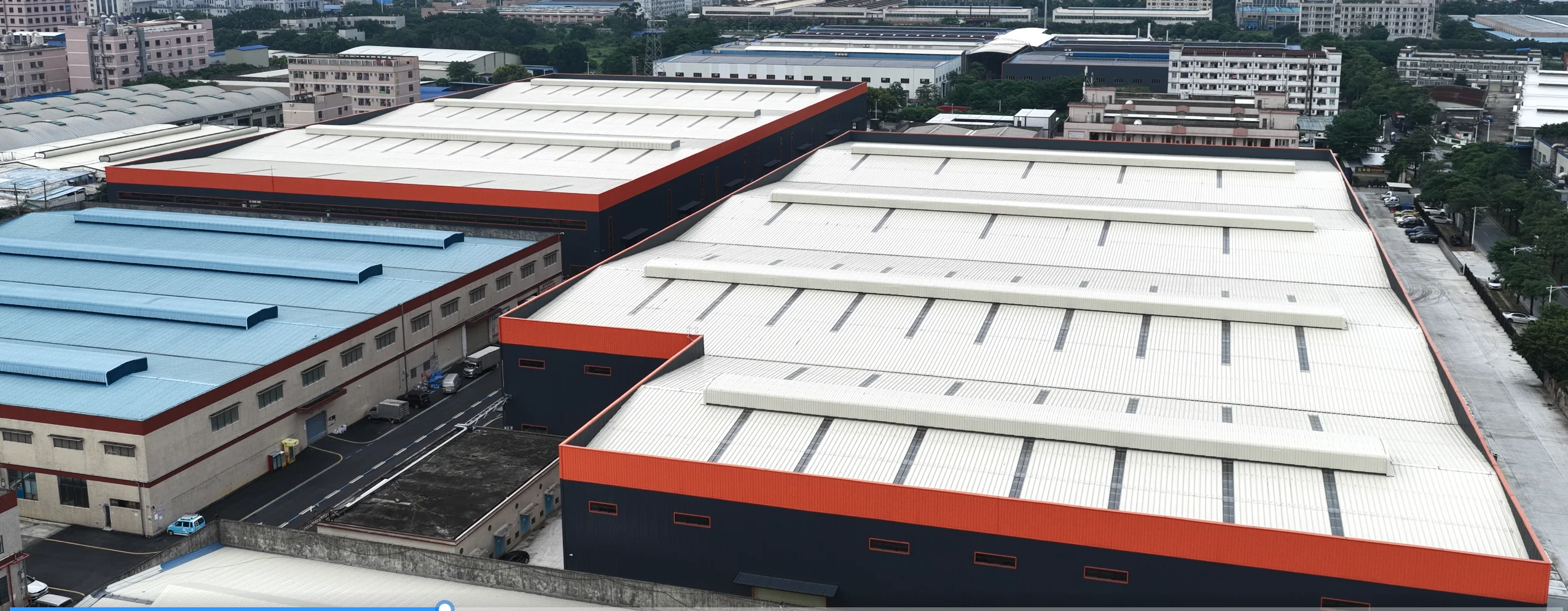
Introduzione alla fabbrica
Siamo un'azienda specializzata nella produzione di case container prefabbricate, case container espandibili, case container pieghevoli e bagni prefabbricati mobili. Progettiamo, produciamo ed esportiamo soluzioni abitative modulari per hotel, ville, uffici, dormitori, magazzini, officine e cantieri edili. Il nostro stabilimento si estende su una superficie di 50.000 metri quadrati e si trova a Guangzhou. I visitatori sono i benvenuti.
The steel of a galvanized folding container house is hot dip galvanized before paint, and the frame resists rust even where the coating gets scratched at a joint or a hinge.
How is the fold line built?
The folding post runs the full height at the hinge, with the wall panels turning on pins. The line is sealed, and water cannot sit in the fold.
Is it a factory direct order?
Yes. You deal with the plant, and section sizes, openings and the finish follow the drawing you approve, with no middle step.
How is it tested before shipping?
The wiring is tested, and a hose test runs on the closed shell to check the seals before it packs.
Where do these galvanized units end up?
Site offices, worker camps, clinics and small shops. The galvanized frame suits humid or coastal sites where rust is a worry
 WhatsApp/Tel: +86 15179359758
 Email:liwenfan211@gmail.com